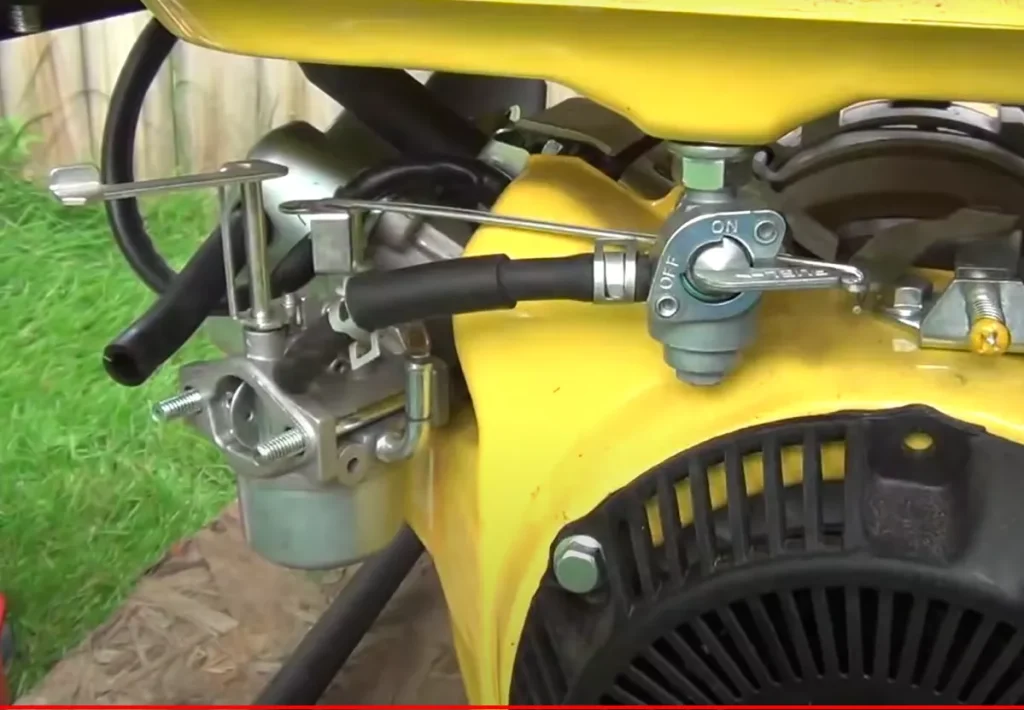
Are you confident that your standby generator is ready to power up when you need it the most? Keeping your generator in top shape is crucial for ensuring you’re never left in the dark.
Imagine a sudden power outage, and your generator fails just when you need it. Frustrating, right? But don’t worry, maintaining your standby generator engine doesn’t have to be a daunting task. With just a few simple steps, you can ensure it runs smoothly and reliably.
You’ll discover practical tips and easy-to-follow guidelines to keep your generator engine in excellent condition. Let’s dive in and make sure your backup power is always ready to go!
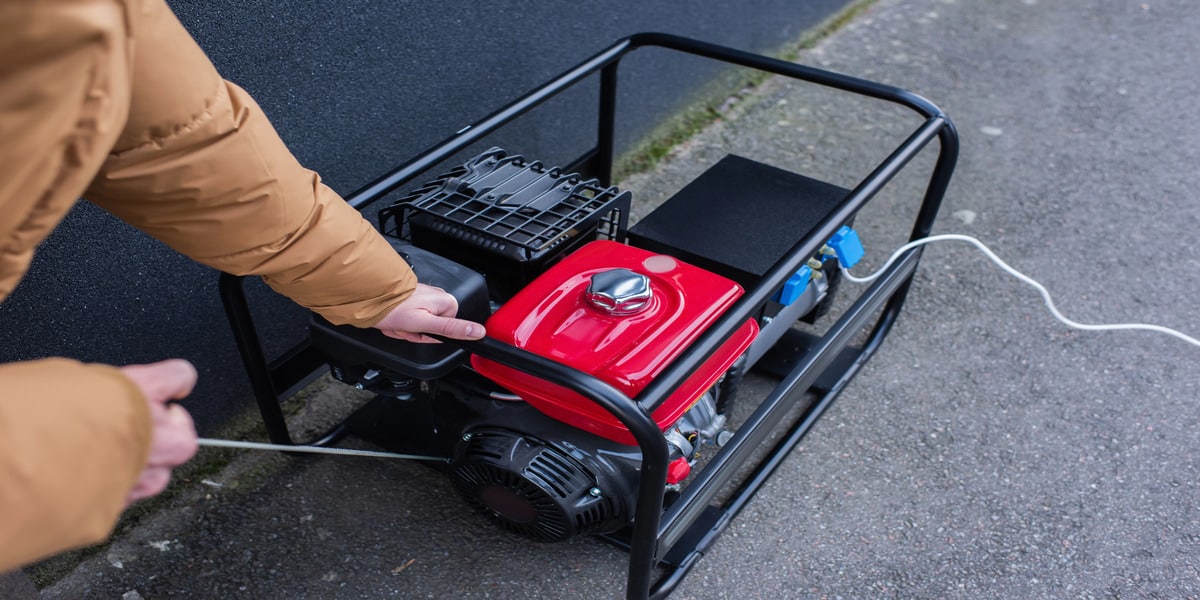
Credit: expertelectric.ca
Regular Inspection
Check fuel levelsoften to keep the generator ready. Fuel can degrade over time, so use fresh fuel to avoid engine problems. Always store fuel in a cool, dry place and refill the tank before long use.
Inspect oil qualityregularly. Dirty or low oil can damage the engine. Change the oil according to the manual or after every 50-100 hours of use. Use the right oil type for best performance.
Examine air filtersfor dirt and debris. Clean or replace them if clogged. A clean air filter helps the engine breathe and run smoothly.
Look for leaks and corrosionaround the engine and fuel lines. Leaks can cause safety hazards and reduce efficiency. Corrosion can damage parts, so clean and fix any signs quickly.
Scheduled Maintenance
Changing oil and filters keeps the engine running smoothly. Use the right oil type and change it regularly. Replace the oil filter to avoid dirt buildup. This protects the engine parts.
Test battery health to ensure reliable starts. Check the voltage and clean the terminals. A weak battery may fail during power outages. Keep the battery charged and ready.
Cleaning the cooling system prevents overheating. Remove debris and dirt from the radiator and fan. Check coolant levels and refill if low. Good cooling helps the engine run longer.
Replace spark plugs to maintain engine power. Worn plugs cause poor starting and low efficiency. Use the correct spark plug type for the engine. Check and replace plugs as needed.
Proper Storage
Store the generator in a dry, cool place to prevent moisture damage. Cover it tightly to keep dust and dirt away. Regularly check and maintain fuel levels during storage.
Store In Dry Environment
Keep the generator engine in a place free from moisture. A dry area stops rust and damage. Avoid damp basements or outdoor spots. Use a cover to protect from dust and rain.
Use Fuel Stabilizers
Adding fuel stabilizers keeps gasoline fresh for longer. It prevents fuel from breaking down inside the tank. This helps the engine start easily after storage. Follow the product instructions carefully.
Protect Against Rodents
Rodents can chew wires and cause damage. Seal all openings where they might enter. Use traps or natural repellents to keep them away. Regularly check the area around the generator for signs of pests.
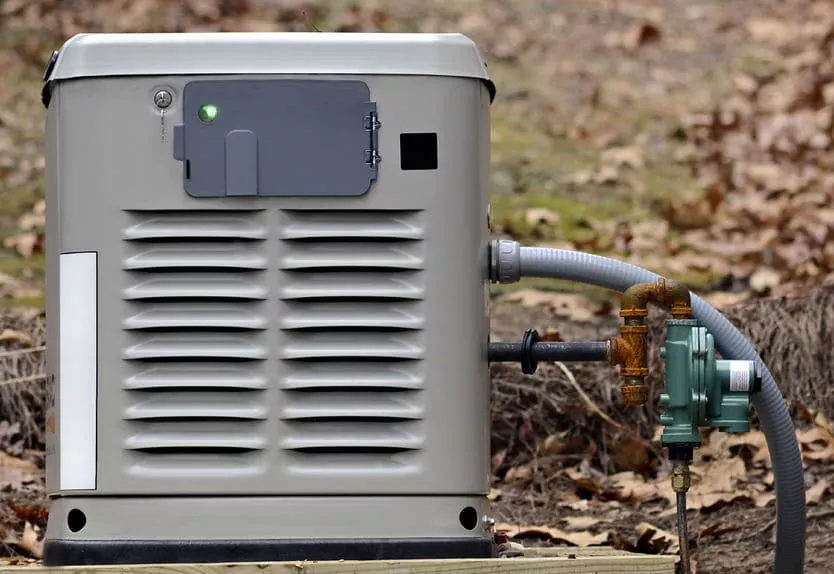
Credit: www.premium-electric.ca
Routine Testing
Running the generator monthly is essential to keep it ready. This prevents fuel from getting old and parts from sticking. Turn on the generator and let it run for about 30 minutes.
Load testing checks if the generator can handle power needs. Connect the generator to a load bank or your home appliances. This ensures the engine runs well under pressure.
| Performance Metric | What to Check |
|---|---|
| Oil Pressure | Ensure it stays within safe range |
| Voltage Output | Check it matches the required level |
| Engine Temperature | Watch for overheating signs |
| Run Time | Confirm it runs smoothly for set time |
Monitoring these metrics helps spot problems early. Fix issues before they cause bigger damage. Keep a log of test results for future reference.
Troubleshooting Common Issues
Starting problemsoften occur due to weak batteries or faulty spark plugs. Check the battery charge and replace if needed. Clean or replace spark plugs to ensure a strong spark. Also, inspect the starter motor for any damage.
Fuel system blockagescan stop the engine from running smoothly. Dirt or water in the fuel tank causes blockages. Use clean fuel and drain any water from the tank. Replace clogged fuel filters and clean the fuel lines regularly.
Overheatinghappens when the engine runs too hot. Check the coolant level and refill if low. Make sure the radiator is clean and free from dust or debris. Inspect the cooling fan and belts for proper function to avoid damage.
Safety Precautions
Proper ventilationis key to avoid harmful gas buildup. Always run the generator in an open space or a well-ventilated area. Avoid using it inside homes, garages, or enclosed spaces. This prevents carbon monoxide poisoning and keeps air fresh.
Fuel handlingneeds care to avoid fires and spills. Store fuel in approved containers away from heat and flames. Use fresh fuel and avoid overfilling the tank. Clean any spills immediately and keep fuel away from children.
Follow the manufacturer’s guidelinesfor safe operation and maintenance. Read the manual fully before use. Use recommended oil, filters, and parts. Stick to the suggested service schedule. This keeps the engine safe and working well.

Credit: expertelectric.ca
Frequently Asked Questions
How Often Should I Service My Standby Generator Engine?
You should service your standby generator engine every 6 months or after 100 hours of use. Regular servicing ensures optimal performance and extends engine life. Always check the manufacturer’s manual for specific maintenance schedules.
What Are Key Maintenance Tasks For Standby Generator Engines?
Key tasks include checking oil levels, replacing filters, inspecting spark plugs, and testing the battery. Also, run the generator monthly to keep it operational and prevent fuel system issues.
Why Is Oil Change Important For Generator Engines?
Oil change removes contaminants that cause engine wear. Fresh oil improves lubrication, reduces friction, and prevents overheating. Change oil every 100 hours or as recommended by the manufacturer.
How Do I Test My Standby Generator Engine Safely?
Run the generator under load for 20-30 minutes monthly. Check for unusual noises or vibrations. Ensure fuel and coolant levels are adequate before testing to avoid damage.
Conclusion
Keeping your standby generator engine in good shape takes regular care. Check oil, filters, and fuel often. Run the engine periodically to keep parts moving. Clean the area around the generator to avoid dust buildup. Listen for strange noises or leaks.
Small problems can turn big if ignored. A well-maintained generator works better and lasts longer. Stay consistent with these simple steps. Your power backup will be ready whenever you need it most. Easy maintenance saves time and money. Keep your generator strong and reliable.