Are you tired of your noisy generator disturbing your peace? You’re not alone.
A loud generator can ruin your outdoor time and annoy your neighbors. But what if you could make a simple, quiet generator box that cuts down the noise without breaking the bank? In this guide, you’ll discover easy steps to build your own soundproof box.
Imagine running your generator smoothly and silently, enjoying your space without constant noise. Keep reading to find out how you can create a quiet generator box that works for you.
Choosing The Right Generator
Choosing the right generator is key for a quiet setup. Different types of generators offer various noise levels and power outputs. Some run very quietly, making them perfect for home use or camping.
- Inverter generatorsare the quietest and most fuel-efficient.
- Conventional generatorsare louder but often more powerful.
- Solar generatorsare silent but depend on sunlight.
Power needs depend on what devices you want to run. Calculate total wattage before buying a generator. This ensures the generator can handle your appliances without strain.
Fuel efficiency affects how long the generator runs on one tank. More efficient models save money and reduce noise since they run at lower speeds.

Credit: sproofreviews.medium.com
Materials For Noise Reduction
Soundproofing insulationhelps block noise from escaping the box. It absorbs sound waves and lowers the loudness of the generator. Foam or fiberglass are common types.
Acoustic panelsare special boards that reduce echo and noise. They can be fixed inside the generator box walls. These panels make the sound softer and less sharp.
Vibration dampening padsstop the generator from shaking the box. Less shaking means less noise. These pads are placed under the generator feet or between the box and the machine.
Designing The Generator Box
Choose box dimensionslarger than the generator for airflow. Leave space for soundproof material inside. Proper ventilationavoids overheating and lets fresh air in. Use vents with mesh coversto keep bugs out.
Install access panelsor doors for easy maintenance and refueling. Panels should close tightly to block noise. Use hingesand latches that fit snugly and reduce gaps.
Seal all gaps and jointsusing weatherproof caulk or foam sealant. This stops noise leaks and keeps dust out. Double-check corners and edges for any openings.
Building The Box Step-by-step
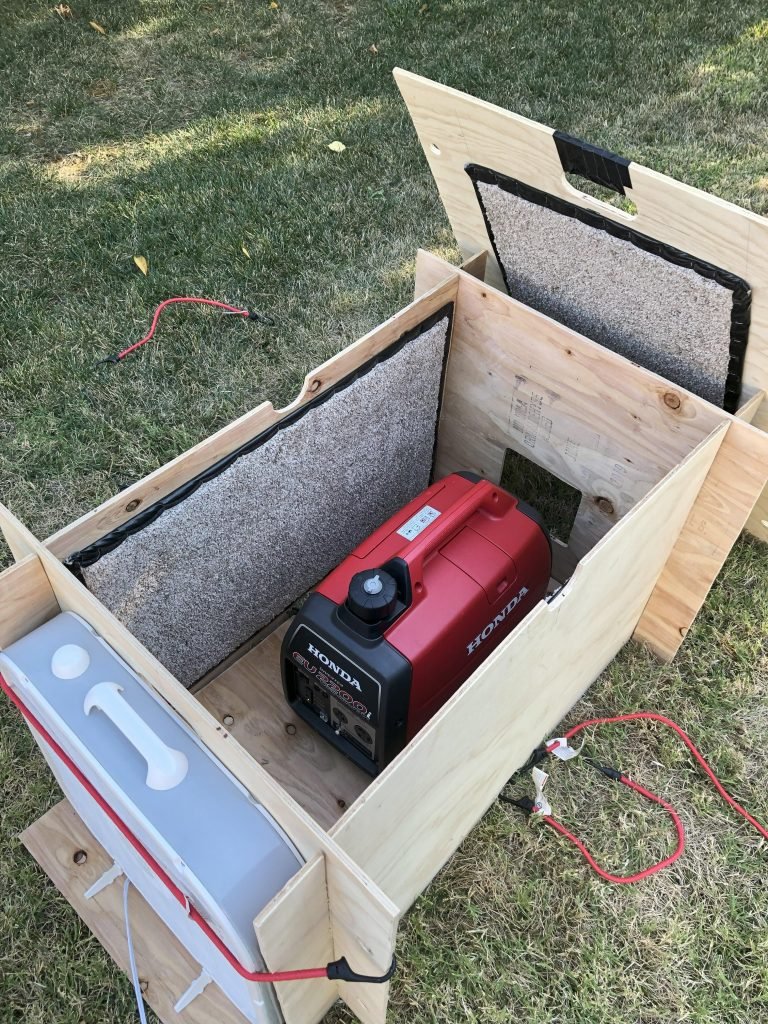
Start by cutting wooden planks to form a strong frame. Use wood screws to join the pieces firmly. Make sure the frame fits the generator size exactly. Check corners for stability and square shape.
Choose thick soundproofing materials like foam or mass loaded vinyl. Cut these materials to fit inside the frame walls. Attach them with glue or staples to cover all sides. This helps reduce noise significantly.
Place the generator inside the box carefully. Use rubber pads under the generator to reduce vibrations. Secure the generator with straps or brackets to keep it from moving. Leave space for air flow to prevent overheating.
Enhancing Airflow And Cooling
Ventilation fanshelp move air through the generator box. They reduce heat by pushing hot air out and pulling fresh air in. Use fans with low noise levelsto keep the generator quiet. Place fans near heat sources for best effect.
Heat shielding protects the box and generator from damage. Use reflective materialslike aluminum foil or heat-resistant paint. These materials bounce heat away from the box walls. Shield areas close to the engine and exhaust pipe.
Keeping the temperature low prevents the generator from overheating. Check the box regularly for dust and blockages. Clean air filters and ensure fans work well. Proper airflow and shielding keep the generator cool and quiet.

Credit: www.youtube.com
Additional Noise Reduction Tips
Mufflershelp lower the noise from the generator’s exhaust. Adding an exhaust extensiondirects sound away from living spaces. This simple step cuts down loud sounds effectively.
Placing the generator box on anti-vibration mountsstops it from shaking. This reduces noise caused by shaking and movement. Soft mounts absorb vibrations and keep the box steady.
Regular maintenancekeeps your generator quiet. Clean or change air filters to help it run smoothly. Tighten loose parts to stop rattling noises. Well-kept generators make less noise and last longer.
Safety Considerations
Fire preventionis vital for a quiet generator box. Use non-flammable materialsfor construction. Keep combustible itemsfar from the box. Install a smoke detectornearby for early warnings. Always have a fire extinguisherclose to the generator.
Proper exhaust ventingstops dangerous gases from building up. Use ventilation openingsthat allow fresh air to flow in and out. Position the exhaust pipe so it directs fumes away from living areas. Check vents regularly to keep them clear of blockages.
- Use a grounded outletfor electrical connections.
- Inspect cordsfor damage before use.
- Avoid overloadingthe generator’s electrical capacity.
- Turn offthe generator before refueling.
- Keep wateraway from electrical parts.

Credit: www.reddit.com
Frequently Asked Questions
How Do I Reduce Generator Noise Effectively?
To reduce generator noise, use a well-insulated box with soundproof materials. Add foam panels and vibration dampeners. Ensure proper ventilation to avoid overheating. This combination minimizes noise while keeping your generator safe and functional.
What Materials Are Best For A Quiet Generator Box?
Use soundproof foam, mass-loaded vinyl, and plywood for the box. These materials absorb and block noise effectively. They also provide durability and weather resistance. Combining these materials ensures a quieter and long-lasting generator enclosure.
How Can Ventilation Be Maintained In A Quiet Generator Box?
Install vents with sound baffles to allow airflow while blocking noise. Use mesh screens to keep debris out. Proper ventilation prevents overheating and maintains generator efficiency without compromising noise reduction.
Is Diy Quieter Generator Box Cost-effective?
Yes, building a DIY quiet generator box saves money compared to buying pre-made ones. It allows customization for size and materials. You also control insulation quality, ensuring effective noise reduction tailored to your needs.
Conclusion
Creating a quiet generator box improves your peace and comfort. A well-built box reduces noise significantly. It also protects your generator from harsh weather. Follow the steps carefully for effective results. Pay attention to materials and measurements. Proper ventilation is crucial for safe operation.
Regular maintenance ensures long-lasting performance. Enjoy a quieter environment while using your generator. With these tips, noise becomes less of a problem. Your home remains peaceful and undisturbed. A quiet generator box is a worthy investment. Experience the difference today.