Are you tired of the constant hum of your standby generator disrupting your peace? You’re not alone.
Many homeowners struggle with the noise these essential machines produce. But what if you could enjoy the security of backup power without the racket? Imagine sipping your morning coffee or enjoying a quiet evening without that persistent buzz in the background.
This guide will walk you through simple, effective strategies to make your standby generator quieter. By the end of this article, you’ll have practical solutions at your fingertips to transform your noisy generator into a silent powerhouse. Ready to reclaim your tranquility? Let’s dive in!

Credit: www.zombiebox.com
Sources Of Generator Noise
Engine soundsare the main source of noise in a standby generator. The engine runs fast and makes a loud roar. This noise comes from moving parts and combustion inside the engine.
Exhaust noisehappens when hot gases exit the generator’s exhaust pipe. This noise can be very loud and sharp. Mufflers help reduce this noise by trapping sound waves.
Vibration and resonanceoccur when the generator shakes while running. These shakes cause parts to hit each other or the generator frame. The vibration can make the noise louder and spread it farther.
Choosing A Quiet Generator
Inverter generatorsrun quieter than conventional ones. They adjust engine speed based on power need. This leads to less noise and better fuel use. Conventional generators work at a constant speed, making more noise.
Noise ratings show how loud a generator is. They are measured in decibels (dB). Lower dB means quieter operation. For home use, choose a generator with noise below 60 dB.
| Generator Type | Typical Noise Level (dB) | Key Features |
|---|---|---|
| Inverter Generator | 40-60 | Variable engine speed, fuel efficient, quiet |
| Conventional Generator | 65-75 | Constant engine speed, louder, less fuel efficient |
Soundproofing Techniques
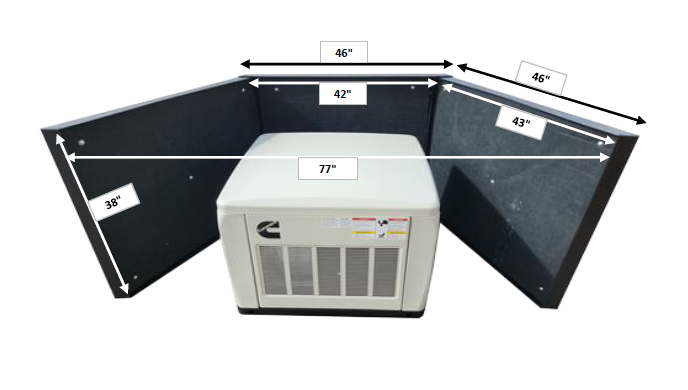
Building a sound enclosure around the generator helps reduce noise significantly. Use materials like plywood combined with sound-absorbing insulation for best results. Make sure to leave space for ventilation and cooling to avoid overheating. A well-sealed enclosure traps sound waves, cutting down noise levels.
Acoustic panels absorb sound and lower noise reflection. Install these panels inside the enclosure walls. They help reduce the echo and soften loud sounds. Panels made of foam or fiberglass work well for this purpose.
Adding sound barriers around the generator blocks direct noise travel. You can use fences, walls, or tall shrubs as barriers. These barriers help break up sound waves and reduce noise reaching nearby areas.

Credit: truegear.com.au
Reducing Vibration Noise
Anti-vibration mountshelp reduce noise by absorbing shaking. They stop the generator from moving too much. This cuts down the loud sounds caused by vibrations. These mounts come in rubber or spring types. Rubber mounts are soft and block noise well. Spring mounts work better for heavy machines.
Isolation padsare thick mats placed under the generator. They keep the generator steady and stop noise from reaching the ground. Made from rubber or foam, these pads absorb vibrations. This keeps the generator quieter and reduces noise in the surrounding area.
- Place mounts or pads under generator legs.
- Choose materials that absorb vibrations well.
- Check mounts regularly for wear and tear.
- Replace damaged parts to keep noise low.
Exhaust Noise Solutions
Mufflers and silencershelp reduce exhaust noise from standby generators. They work by lowering the sound pressure produced by the exhaust gases. Installing a good-quality muffler can make the generator run much quieter. Some silencers use special materials to absorb sound waves. This stops loud noises from escaping the exhaust pipe.
Changing the exhaust directioncan also cut down noise levels. Pointing the exhaust away from walls or neighbors reduces sound reflection. Directing exhaust toward the ground or a noise-absorbing surface helps too. This simple change can make a noticeable difference in noise output.
Proper Maintenance For Noise Control
Regular engine tune-ups keep your generator running smoothly. They help reduce noise by fixing small problems early. Checking spark plugs, fuel filters, and air filters is key. Clean filters let the engine breathe better, which lowers noise.
Lubrication is vital. Proper oil levels reduce friction inside the engine. This stops it from making loud grinding sounds. Clean the generator often to remove dirt and dust. Dust buildup can make the engine work harder and louder.
- Check spark plugs for wear and replace if needed
- Change air and fuel filters regularly
- Keep oil at recommended levels and change on schedule
- Clean generator parts to prevent dirt buildup
Placement And Installation Tips
Place the generator far from bedrooms and living roomsto reduce noise. The greater the distance, the quieter it feels inside. If space is limited, consider positioning it near the property boundary.
Using natural sound barrierslike bushes, trees, or fences helps block noise. These barriers absorb and deflect sound waves. Thick vegetation works best for this purpose.
- Plant tall shrubs or evergreen trees around the generator
- Build a solid fence with noise-absorbing materials
- Use earth mounds or berms if possible

Credit: www.youtube.com
Additional Noise-reduction Accessories
Noise-reducing blanketswrap around the generator to lower sound levels. They use special materials to absorb noise without blocking airflow. These blankets are easy to install and remove for maintenance. They help cut down the loud humming or buzzing sounds.
Generator coversprotect the generator from weather and also reduce noise. Covers made from thick, soundproof fabrics block sound waves from escaping. They come in various sizes to fit different generator models. Covers keep the unit quiet while letting air flow to prevent overheating.
- Both options improve comfort near the generator.
- They are affordable and simple to use.
- Check fit and ventilation before buying.
- Regular cleaning keeps noise reduction effective.
Frequently Asked Questions
How Can I Reduce Standby Generator Noise Effectively?
Using soundproof enclosures and installing mufflers can reduce generator noise. Placing the generator on vibration pads also helps minimize sound. Regular maintenance keeps the engine running smoothly, reducing noise levels.
What Materials Absorb Standby Generator Sound Best?
Mass-loaded vinyl, acoustic foam, and soundproof blankets are great for absorbing noise. These materials block and absorb sound waves, lowering the generator’s overall noise output efficiently.
Is It Safe To Enclose A Standby Generator Fully?
Generators need proper ventilation to prevent overheating and carbon monoxide buildup. Use enclosures designed for generators with built-in airflow to ensure safety while reducing noise.
Can Landscaping Help Make A Generator Quieter?
Yes, planting shrubs, trees, or installing fences around the generator can block and absorb sound. Natural barriers reduce noise spreading to nearby areas, making the generator quieter.
Conclusion
Quieter standby generators make home life more peaceful. Simple steps like adding soundproofing materials help a lot. Proper placement and maintenance reduce noise effectively. Small changes create a big difference in sound levels. Enjoy backup power without disturbing your family or neighbors.
Keep your generator running smoothly and quietly. Noise control improves comfort during power outages. Try these tips to lower your generator’s noise today.