
Imagine never worrying about power outages again. With your own standby generator, you can keep your lights on and your appliances running no matter what.
But how do you make one yourself without spending a fortune? This guide will walk you through simple steps to build a reliable standby generator tailored to your needs. By the end, you’ll have the confidence and knowledge to keep your home powered and safe during any blackout.
Ready to take control of your energy? Let’s get started!
Choosing The Right Generator
Choosing the right standby generator depends on power needsand fuel type. Different generators suit different situations.
Generators come in various types:
- Portable generatorsare easy to move and good for small power needs.
- Inverter generatorsprovide clean power, ideal for sensitive devices.
- Standby generatorsturn on automatically during outages and power whole houses.
Power requirements matter. Calculate the total watts for all devices to run simultaneously. This helps pick the right size generator.
| Fuel Option | Pros | Cons |
|---|---|---|
| Gasoline | Easy to find, quick start | Short shelf life, storage issues |
| Propane | Cleaner burning, longer shelf life | Needs special tank, less common |
| Natural Gas | Unlimited supply if connected, clean | Needs gas line, not portable |
| Diesel | Powerful, fuel lasts long | Loud, requires maintenance |
Essential Components
Engine selectionis key for a standby generator. Choose an engine with enough power to run your essential appliances. Gasoline and diesel engines are common choices. Diesel engines last longer and use fuel more efficiently. Gasoline engines are easier to start and quieter.
The alternatorcreates electricity. It changes mechanical energy from the engine into electric power. Look for alternators with high efficiency and low noise. Single-phase alternators suit small homes. Three-phase alternators work better for bigger loads.
The control panelmanages the generator’s operation. It starts and stops the engine automatically during power outages. It also shows vital information like voltage and frequency. Some panels have safety features to protect the generator from damage.
The battery setuphelps start the engine. Use a battery with enough cold cranking amps (CCA) for your engine size. Keep the battery charged and check it regularly. Connect the battery securely to avoid power loss.
Planning Your Generator Setup
Choose a flat, dry areafor your generator setup. Avoid places near windows or doors to prevent fumes entering the home. Keep the generator at least 5 feet awayfrom your house or any building. Ensure there is good airflowaround the unit for cooling.
Safety is key. Use a carbon monoxide detectorinside the house. Never run the generator indoors or in enclosed spaces. Keep the generator away from flammable materials. Always follow local building codesand regulations.
Reduce noise by placing the generator on a sound-absorbing pad. Install a noise barrierlike a fence or wall around the unit. Choose a low-noise modelif possible. Regular maintenance helps the generator run quietly.
Step-by-step Assembly
Secure the enginefirmly on the base. Align it with the alternatorfor smooth power transfer. Use bolts and brackets for stability. Check tightness to avoid vibrations.
Connect wires from the control panelto the engine and alternator. Follow the wiring diagram carefully. Use insulated connectors to prevent shorts. Label wires to keep track.
Attach the batterycables to the terminals. Ensure positive connects to positive, negative to negative. Check for corrosion and clean terminals if needed. Tighten clamps to secure connection.
Run a test to see if the system works. Start the engine and watch the control panel indicators. Listen for unusual sounds or vibrations. Verify the battery charges correctly. Adjust as necessary.
Automatic Transfer Switch Integration
The automatic transfer switch (ATS)is vital for safe power switching. It switches power from the main grid to the generator during outages.
It prevents dangerous backfeed to the grid, protecting utility workers. The ATS also stops generator damage by controlling power flow.
- Install the ATS near your main electrical panel.
- Keep it dry and accessible for maintenance.
- Use a licensed electrician for proper setup.
Wiring must connect the ATS to the home’s electrical system carefully. The ATS links both power sources to the house circuits.
Use correct wire sizes and follow electrical codes strictly. Label wires clearly to avoid confusion during repairs or inspections.

Credit: aquariushomeservices.com
Maintenance Tips
Routine checkskeep a standby generator working well. Check oil levels often. Look for leaks and clean air filters. Test the battery and start the generator monthly. Make sure all connections are tight and dry. Running the generator under load helps find hidden problems early.
Fuel storageneeds care to keep fuel fresh. Store fuel in a cool, dry place away from sunlight. Use approved containers to avoid leaks. Add fuel stabilizer to prevent fuel from going bad. Replace old fuel every six months to avoid engine issues.
Troubleshooting common issuescan save time and money. If the generator won’t start, check the fuel, battery, and spark plug. Overheating may mean dirty filters or low oil. Unusual sounds or vibrations can signal loose parts or worn components. Simple fixes often solve many problems quickly.
Safety Precautions
Handling fuelrequires care to avoid spills and fires. Store fuel in approved containersaway from heat sources. Always fill the generator outdoors and keep a fire extinguisher nearby. Avoid smoking or open flames during refueling.
Electrical safetyis crucial. Ensure the generator is properly groundedto prevent shocks. Use cords rated for outdoor use and avoid overloading the generator. Never plug the generator directly into a home outlet.
Emergency shutdown proceduresmust be known before use. Turn off all appliances first, then switch off the generator. Have a plan to quickly stop the generatorif needed. Keep the area clear and inform others about the shutdown process.
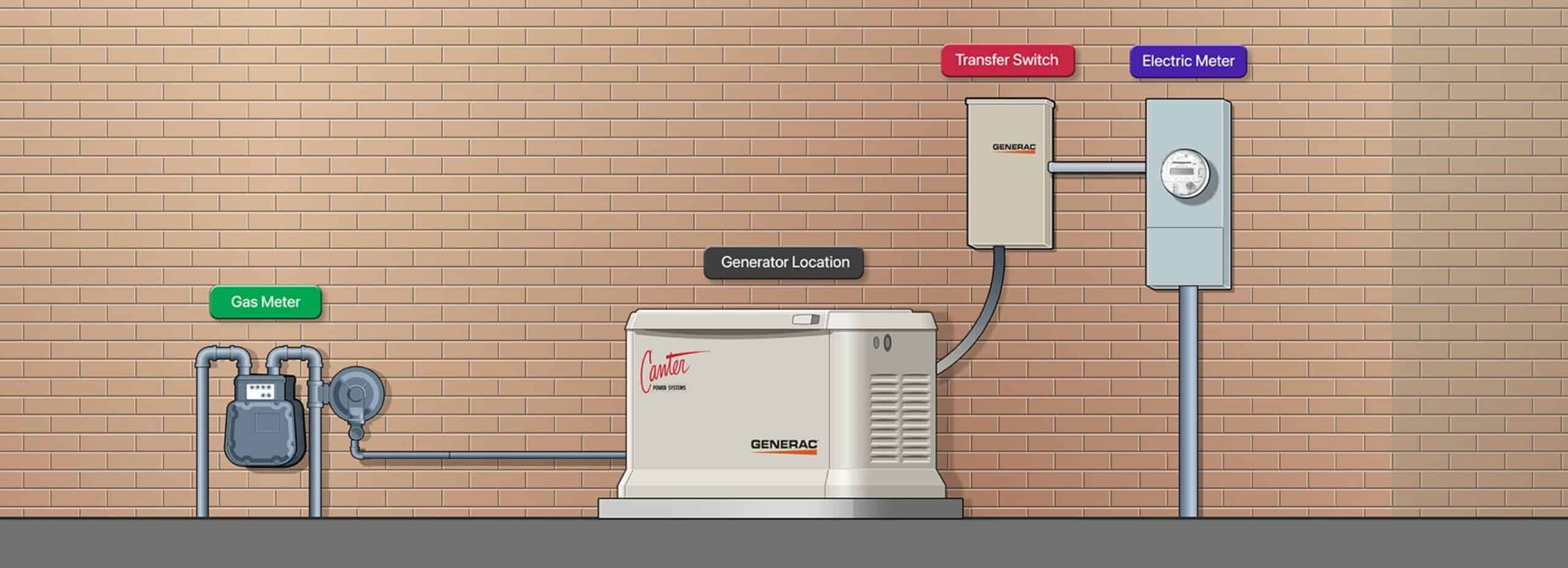
Credit: canterpowersystems.com
Cost And Budgeting
Estimating expenses for a standby generator involves several costs. The main parts include the generator, transfer switch, and installation fees. Generators vary in price, usually from $2,000 to $5,000. Transfer switches cost around $500 to $1,200. Installation by a professional may add $1,000 to $3,000, depending on complexity.
- Buy parts in salesor during off-season to save money.
- Choose a generator size that fits your needs, not too big.
- Consider used parts but check their condition carefully.
- Learn basic installation skills to reduce labor costs.
| When to Buy | When to Build |
|---|---|
| Need quick power backup | Want to customize features |
| Limited technical skills | Have electrical and mechanical knowledge |
| Prefer warranty and support | Enjoy DIY projects and saving costs |
| Have a fixed budget for purchase | Can spend time sourcing parts |
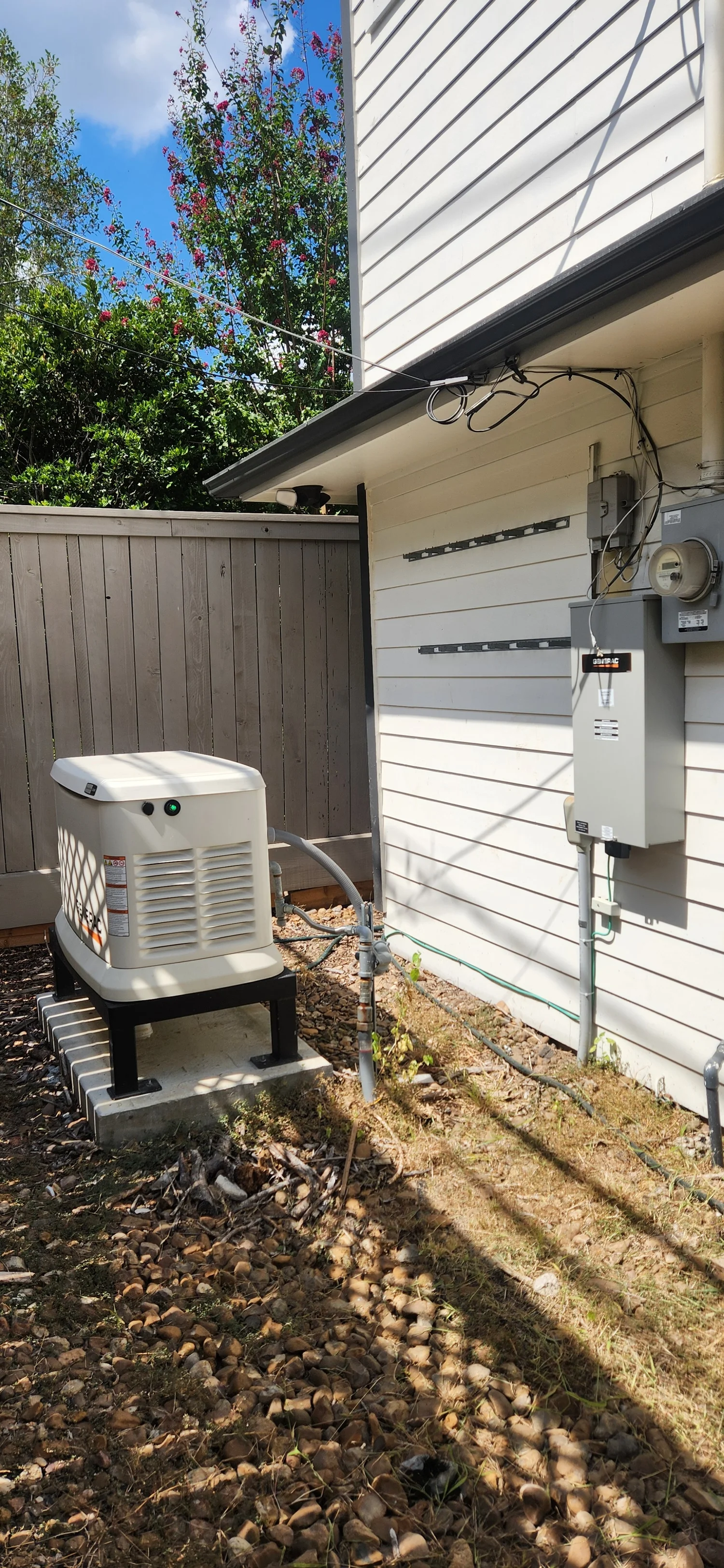
Credit: www.arielicustomhomes.com
Frequently Asked Questions
What Materials Are Needed To Make A Standby Generator?
To make a standby generator, gather a gasoline or propane engine, alternator, transfer switch, fuel tank, wiring, and control panel. Safety gear is also essential for installation and operation.
How Does A Standby Generator Automatically Start?
A standby generator uses an automatic transfer switch that detects power loss. It signals the generator to start within seconds, ensuring continuous power without manual intervention.
What Are The Key Safety Precautions For Standby Generators?
Ensure proper ventilation to avoid carbon monoxide buildup. Use correct grounding, follow electrical codes, and keep fuel away from ignition sources to prevent accidents and fires.
How Long Does It Take To Install A Standby Generator?
Installation typically takes 4 to 8 hours depending on complexity. Professional installation is recommended to ensure safety and compliance with local regulations.
Conclusion
Crafting a standby generator at home is simpler than it seems. With the right tools, you can ensure your home stays powered. Always prioritize safety during each step. Follow the instructions carefully for best results. This DIY project saves you money and offers peace of mind.
A reliable generator is vital for unexpected power outages. Now, you’re prepared to tackle any power challenge. Remember, practice makes perfect. So, gather your materials and start building. Your dedication will pay off in the long run. Enjoy the process and stay safe.
Happy building!