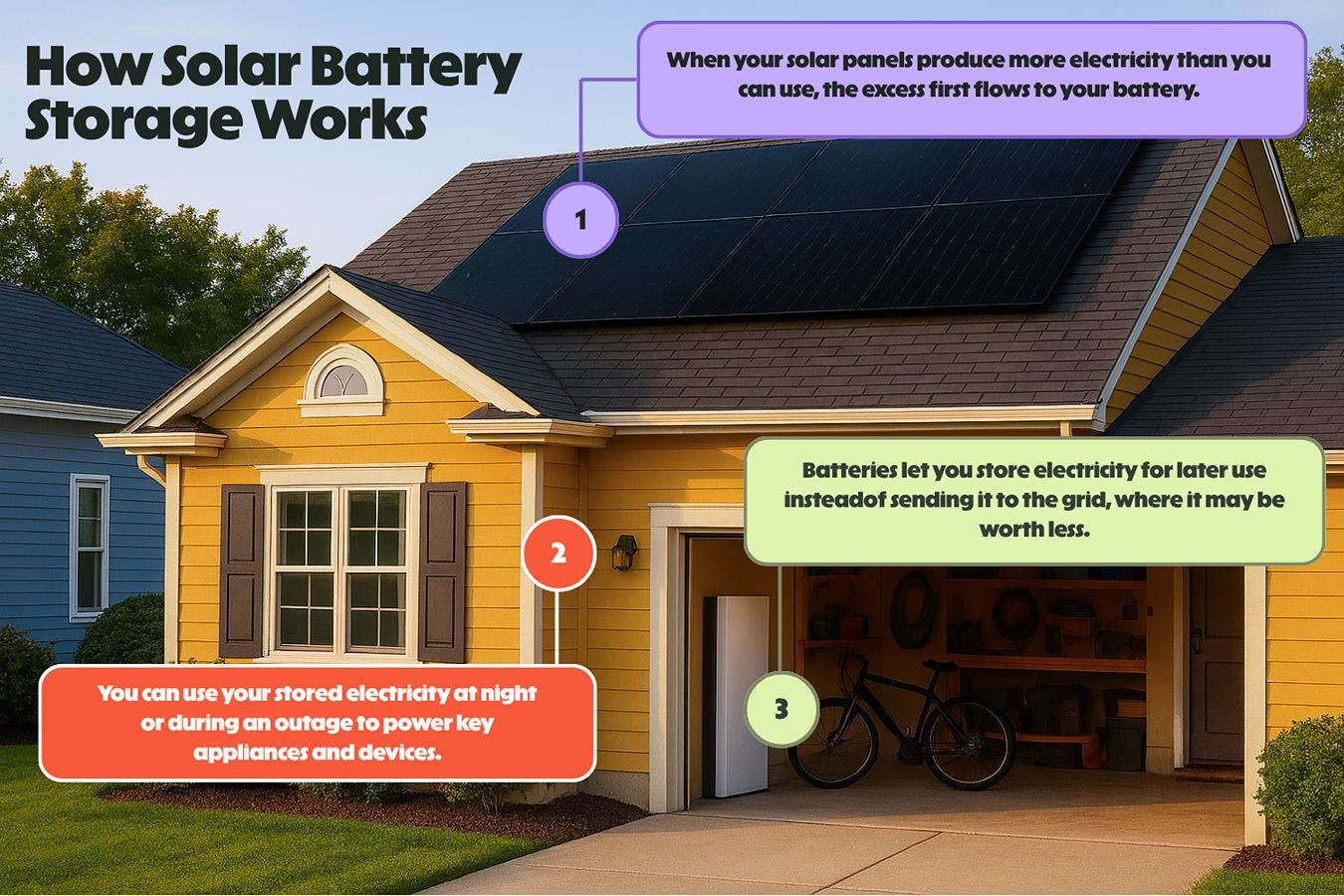
Imagine having a reliable power source that stays with you through thick and thin, even when the grid lets you down. That’s what a solar backup system offers.
But to get the most out of your solar investment, it needs to be efficient. You might be wondering how to ensure your system runs at its best. Well, you’re in the right place! Unlocking the secrets to a more efficient solar backup can save you money, enhance sustainability, and provide peace of mind.
We’ll guide you through practical steps to optimize your solar setup. Get ready to transform your energy solutions into a powerhouse of reliability and efficiency.
Credit: palmetto.com
Optimizing Solar Panel Placement
Solar panels need the sun to make power. Place them where the sun shines the most. South-facing roofs are often best. Tilt panels so they catch more sunlight. Avoid flat placement unless necessary. Every bit of sun helps panels work better. Morning sun is as important as afternoon sun. Keep panels clean for more light absorption.
Trees and tall buildings can block sunlight. Check shadows during different times of the day. Remove or trim trees that cause shade. Plan for future tree growth. Shadows change with seasons. Winter shadows are longer than summer ones. Make sure panels have full sun year-round. Even small shadows reduce power output.

Credit: nerdbot.com
Choosing The Right Battery Storage
Understanding your energy needsis very important. Calculate how much power you use daily. Think about the number of appliances you have. More appliances need more power. Write down how long you want power to last. This helps you know the capacityyou need. A bigger battery can store more energy. But it can cost more too. Choose a battery that fits your usage. This way, you do not spend too much money. Plan well to get the best battery for your needs.
| Feature | Lithium | Lead-Acid |
|---|---|---|
| Cost | High | Low |
| Weight | Light | Heavy |
| Lifespan | Long | Short |
| Maintenance | Low | High |
Lithium batteriesare great for long-term use. They last many years. Lead-acid batteries are cheaper. But they need more care. Think about how much you want to spend. And how long you need the battery to last. This helps you choose the best type for you.
Enhancing Energy Conversion
Choosing the right inverteris crucial for solar systems. An efficient inverter helps save more energy. Look for an inverter with a high efficiency rating. This means it converts more solar energy into usable power. Pure sine wave inverters are often preferred. They provide cleaner power compared to modified sine wave inverters. Check if the inverter matches your solar panel’s capacity. A mismatch can cause energy loss. Consider the inverter’s size and installation space. Larger inverters may need more room. Always consult a professional for best results.
Reducing energy loss is important for a solar backup. Use short, thick wires to connect solar panels. This reduces energy loss during transmission. Regularly clean solar panels to remove dust and dirt. Dirty panels absorb less sunlight, reducing efficiency. Install panels where they get maximum sunlight. Avoid shade from trees or buildings. Monitor your system’s performance frequently. Early detection of issues can prevent energy loss. Keeping the system well-maintained improves efficiency.
Implementing Smart Monitoring Systems
Implementing smart monitoring systems improves solar backup efficiency by tracking energy usage and adjusting storage. Real-time data helps in optimizing power flow and maintaining battery health.
Real-time Performance Tracking
Smart systems help watch solar panels all the time. This is called real-time performance tracking. It checks how well the solar panels work every second. If a problem happens, the system tells you quickly. This saves time and keeps the energy flow steady. You can see energy use on a screen or phone app. It helps to spot troubles early and fix them fast.
Predictive Maintenance
Predictive maintenance means fixing things before they break. Smart systems check for signs of wear and tear. They look for changes in how things work. If something seems wrong, the system warns you. This helps to avoid big problems later. Keeping the solar setup healthy saves money. It also keeps the power running without stops.
Improving Energy Efficiency At Home
Enhancing solar backup efficiency involves optimizing panel placement and using energy-efficient appliances. Regular maintenance ensures maximum energy harnessing.
Energy-saving Appliances
Switch to energy-saving appliances to save power at home. Use LED lights. They use less power. Choose a refrigerator with an energy star label. It uses less electricity. Microwaves are better than ovens. They cook faster and use less energy. Buy washing machines with quick wash settings. They help save water and power. Remember, small changes lead to big savings.
Load Management Strategies
Manage your home’s energy load smartly. Use timers for lights and devices. They turn off automatically. Unplug devices when not in use. This stops phantom energy. Run big appliances at night. Electricity is cheaper then. Use smart power strips for electronics. They cut off power when devices are off. These steps help manage energy better.

Credit: www.reddit.com
Integrating With Other Renewable Sources
Integrating solar with wind or hydro boosts backup efficiency. These sources complement each other, ensuring constant energy supply. This combined approach reduces reliance on traditional power and enhances sustainability.
Wind Power Synergy
Solar panels work well with wind turbines. When the sun is not shining, wind can still produce energy. This means homes get electricity day and night. Wind and solar together make a strong energy system. Families can save money on power bills. There is less need for backup generators. This helps the planet too. Clean energy is good for everyone.
Hybrid System Benefits
Using both solar and wind brings many benefits. The system is more reliable. It can work in different weather. Energy is available even in storms or cloudy days. People do not worry about losing power. A hybrid system can be cheaper over time. It cuts down on energy costs. It is better for the environment. Cleaner energy is safer for our world.
Regular Maintenance Practices
Inspect solar panels monthly. Check for cracks or wear. Look at wiring for damage. Test connections for tightness. Ensure battery levels are stable. Examine inverter function regularly. Fix issues quickly to prevent bigger problems. Keep records of inspections for future reference.
Clean panels every few weeks. Use soft cloths and water. Avoid harsh chemicals that damage panels. Remove dirt, leaves, and bird droppings. Clean panels in the early morning. This prevents streaks from sunlight. Dry panels thoroughly to avoid water spots.
Frequently Asked Questions
What Is The 33% Rule In Solar Panels?
The 33% rule in solar panels refers to the Shockley-Queisser limit. It states that the maximum efficiency of a single-junction solar cell is about 33%. This is due to the inherent limitations in converting sunlight into electricity.
Why Is My Electric Bill So High When I Have Solar Panels?
Solar panels may produce less energy during cloudy days or winter months, increasing your reliance on grid electricity. Energy consumption spikes, inefficient panels, or system malfunctions can also contribute to high electric bills. Regular system maintenance and monitoring can help optimize solar panel performance and reduce costs.
What Is The 20% Rule For Solar Panels?
The 20% rule for solar panels refers to their efficiency. Solar panels typically convert about 20% of sunlight into electricity. This efficiency level ensures optimal energy production for residential and commercial use. Regular maintenance and proper installation can help achieve and maintain this efficiency.
Is A 90% Efficient Solar Panel Possible?
Achieving 90% efficiency in solar panels isn’t possible with current technology. Most panels range between 15-22% efficiency. Advanced research is ongoing to improve solar panel efficiency, but significant breakthroughs are required to reach higher levels. Future innovations may increase efficiency, but 90% remains unattainable today.
Conclusion
Maximizing solar backup efficiency is simple with the right approach. Start by evaluating your energy needs. Choose high-quality solar panels and batteries. Maintain your system regularly to ensure peak performance. Consider smart inverters for better energy management. These steps ensure your solar backup is reliable and efficient.
Embrace renewable energy to reduce costs and environmental impact. Stay informed about the latest solar technologies. Your effort today leads to long-term benefits. Solar energy is a sustainable choice. Transitioning to efficient solar backup supports a cleaner, greener future. Keep optimizing your setup for continued success.