
Are you ready to ensure your Generac standby generator is in perfect working order when you need it most? Whether it’s for a sudden power outage or planned maintenance, knowing how to manually test your generator can save you from unexpected surprises.
Imagine the peace of mind you’ll have, knowing your backup power source is reliable and ready to kick in at a moment’s notice. By diving into this step-by-step guide, you’ll gain the confidence and know-how to perform these crucial tests yourself.
Stick with us, and you’ll learn how to ensure your home or business stays powered, no matter what. Curious to discover the secrets to maintaining your generator’s reliability? Let’s get started!

Credit: grastengenerators.com
Preparing For Manual Testing
Safetycomes first before testing the generator. Always wear protective glovesand eye protection. Make sure the area around the generator is dryand clear of any debris. Turn off all electrical loadsconnected to the generator to avoid damage. Keep children and pets away from the testing site. Never test the generator indoors to prevent carbon monoxide poisoning.
You will need some basic toolsfor testing. Gather a multimeterto check voltage and current. Have a screwdriverready to open panels. Use a flashlightif lighting is poor. A notebookhelps to record your test results. Keep a manualor guidehandy for reference.
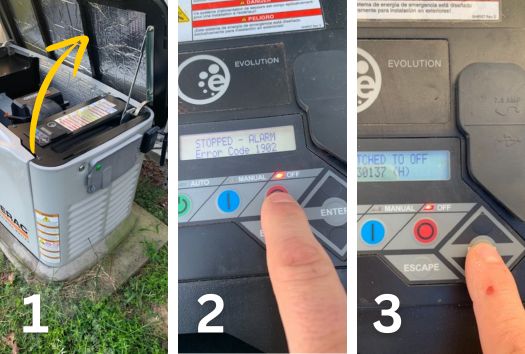
Locate the generator control panel, usually near the unit. It contains the start/stop switch, circuit breakers, and status indicators. The panel may be behind a locked door. Use the screwdriver to open it carefully. Check that all switches are in the offposition before starting any tests.
Credit: grastengenerators.com
Starting The Generator Manually
Switching to manual modeallows you to control the generator directly. Locate the control panel and set the switch from automaticto manual. This disables the automatic start feature and prepares the generator for manual operation.
To start the generator, press the start buttonon the control panel. You may hear the engine cranking. Wait a few seconds for the generator to begin running smoothly. Keep your hands clear of any moving parts during this process.
Watch the control panel lights and gauges closely. They show if the generator is stable and running properly. Check for any warning lights or unusual sounds. This early monitoring helps catch problems before they become serious.
Running The Generator Test
To run a generator test, start by simulating a power outage. Turn off the main power supply to your home. This action forces the generator to start automatically. Watch for the transfer switchto move the electrical load from the main power to the generator.
Checking load transferis important. Make sure the transfer switch moves the power load smoothly. The house should run on generator power without interruptions. Any delay or failure means there could be a problem.
Observing generator performancehelps catch issues early. Listen for strange noises or vibrations. Check if the generator runs steadily without stopping. Look for any error lights on the control panel. A steady, quiet engine means the generator works well.
Inspecting Generator Components
Check the fuel systemfor leaks or blockages. Fuel lines should be clear and tight. The fuel filter must be clean to allow smooth flow. Verify the fuel tank has enough fuel and no rust inside.
Inspect the battery condition. Make sure battery terminals are clean and tight. Test the battery voltage; it should be above 12 volts. Replace the battery if it shows signs of damage or low charge.
Look at the exhaust and cooling system. The exhaust pipe must be clear and free of rust or cracks. Cooling vents should not be blocked by dirt or debris. Clean the cooling fins to prevent overheating.
Shutting Down The Generator
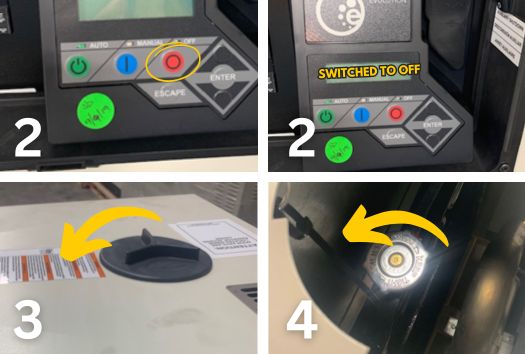
To shut down the Generac standby generator manually, locate the control panel. Press the Offbutton firmly. Wait for the generator to stop running completely. This prevents damage and ensures safety.
After shutdown, turn off any connected appliances to avoid sudden power loss. Keep the generator cool before touching any parts. This step is important for safe handling.
- Press Offon control panel.
- Wait for the generator to stop.
- Turn off connected appliances.
- Allow the generator to cool down.
To reset the generator to automatic mode, find the switch labeled Autoor Automatic. Move the switch to this position gently. The generator now starts automatically during power outages. This restores normal operation without manual input.
Troubleshooting Common Issues
Failure to startoften happens due to a dead battery or low fuel. Check the battery terminals for corrosion. Make sure the fuel valve is open. Sometimes, the generator needs a reset. Look at the control panel for error codes. Confirm the oil level is enough for safe start. A clogged air filter can stop ignition, so inspect and clean it.
Unusual noises or vibrationscan mean loose parts or worn engine mounts. Tighten any loose bolts and screws. Check if the generator is on a flat, stable surface. Strange sounds might come from debris caught in the fan. Clear any objects near the generator. If vibrations continue, engine parts might need professional help.
Load transfer problemshappen when power does not switch properly. Test the automatic transfer switch for faults. Ensure all wires are connected correctly. The switch might be dirty or damaged. Clean the contacts or replace the switch if needed. Confirm the generator can handle the power load. Avoid overload to prevent failure.
Maintenance Tips After Testing
Testing your Generac standby generator regularly helps keep it ready. A monthly testis best. This shows the generator works well and finds small problems early.
Keep the generator clean. Remove dust, leaves, and dirt from around it. Check the oil and air filters often. Clean or replace them if needed.
| Service Type | Frequency | What to Do |
|---|---|---|
| Oil Change | Every 200 hours or yearly | Drain old oil, add fresh oil |
| Air Filter | Check monthly | Clean or replace if dirty |
| Professional Check | Annually | Have a trained technician inspect and tune up |
Credit: grastengenerators.com
Frequently Asked Questions
How Do I Manually Test A Generac Standby Generator?
To manually test, switch the generator to “test” mode using the control panel. This simulates a power outage and starts the generator safely. Observe the generator running for about 10 minutes to ensure it operates correctly and supplies power as expected.
How Often Should I Manually Test My Generac Generator?
It’s recommended to manually test your Generac generator once a month. Regular testing ensures the system is functional and ready during power outages. Frequent checks help detect issues early, maintaining reliability and extending the generator’s lifespan.
What Safety Precautions Are Needed During Manual Testing?
Always ensure the area is clear of obstacles and dry before testing. Avoid touching electrical components or fuel lines. Use the control panel only and never override safety features. Follow the manufacturer’s guidelines to prevent accidents or damage.
Can I Manually Test The Generator Without Power Outage?
Yes, manual testing simulates a power outage without disrupting your home’s electricity. The generator runs on test mode, powering the system briefly. This is a safe way to verify the generator’s function without waiting for actual outages.
Conclusion
Testing your Generac standby generator manually keeps it ready to work. Regular checks help find small problems early. This saves money and avoids big repairs later. Follow each step carefully and take notes. Safety is key—always turn off the generator before testing.
A working generator protects your home during power outages. Keep your generator in good shape by testing it often. Simple tests give peace of mind and reliable power when needed most. Stay prepared with easy, regular manual testing.