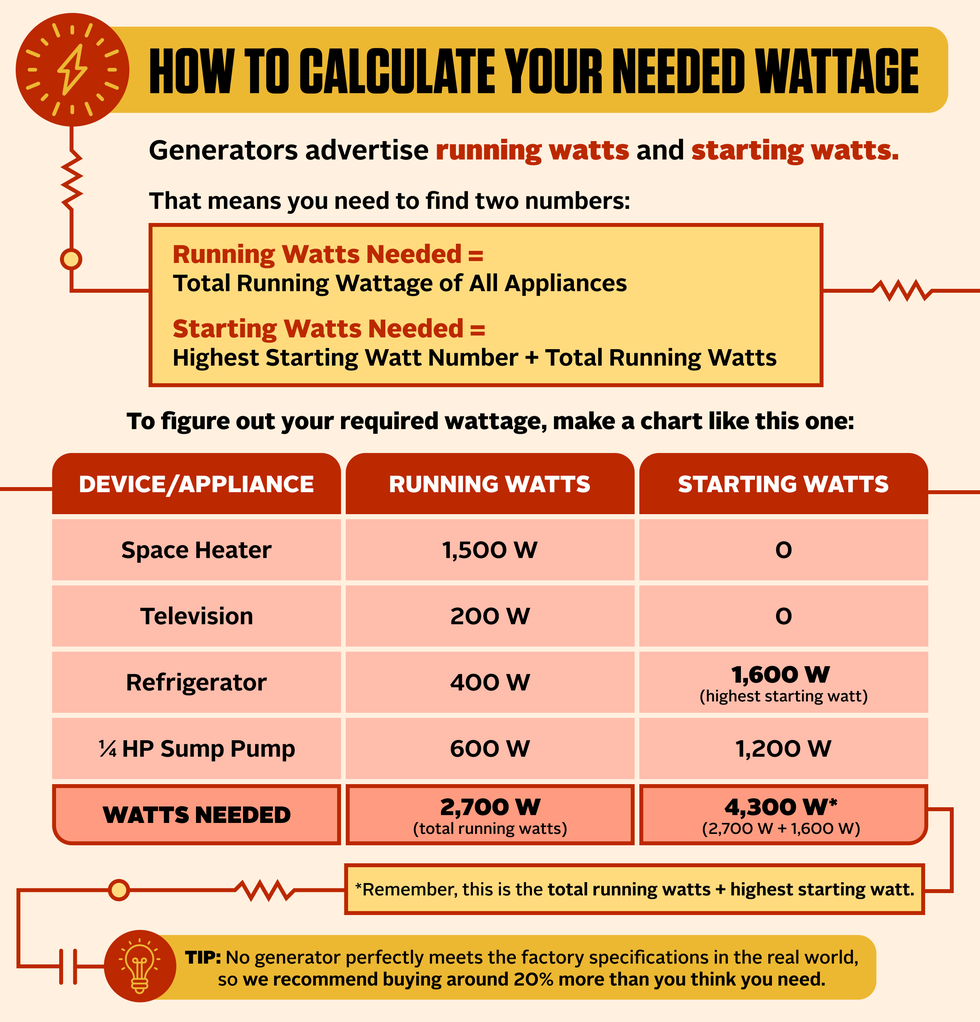
Are you planning to use a generator for your home or business and want to ensure it’s running safely and efficiently? Understanding how to measure your generator cable load capacity is crucial.
This knowledge not only prevents potential hazards but also ensures your generator operates at its best. Imagine the peace of mind you’ll have, knowing that you’ve matched the right cable to your generator’s power needs. In this guide, we’ll break down the steps in a straightforward manner, so you can confidently manage your generator’s load capacity.
Dive in and discover how to keep your electrical setup both safe and effective.
Basics Of Generator Cable Load
Generator cable load capacityshows the maximum current a cable can carry safely. It depends on cable type, insulation, and thickness. Using cables beyond capacity can cause overheatingand damage.
Several factors influencethe load capacity:
- Cable material:Copper cables carry more current than aluminum.
- Cable size:Thicker cables handle higher loads.
- Installation method:Cables in open air cool better than those in conduits.
- Ambient temperature:High temperatures reduce cable capacity.
- Length of cable:Longer cables cause voltage drops, affecting performance.

Credit: stex24.com
Selecting The Right Cable Size
Choosing the right cable size depends on the generator’s output power. The cable must handle the maximum currentthe generator produces. Using a cable that is too small can cause overheatingand damage.
Cable size also depends on the lengthof the cable run. Longer cables can cause voltage drop, which reduces power at the load end. To prevent this, use a cable with a larger cross-section for long distances.
| Factor | Effect | Solution |
|---|---|---|
| Generator Output (Amps) | Determines cable current rating | Select cable with higher ampacity than output |
| Cable Length | Causes voltage drop if too long | Use thicker cable for longer runs |
| Voltage Drop | Reduces power at load | Keep voltage drop below 3% |
Understanding Cable Materials
Copper cablescarry more current than aluminum cables of the same size. Copper has better conductivity, so it heats less under load. Aluminum cables are lighter and cheaperbut need a larger diameter to carry the same current safely.
Choosing copper or aluminum affects the cable’s load capacityand cost. Copper is often preferred for its durability and efficiency. Aluminum is used in large power systemswhere weight and price matter more.
Insulation type also affects cable load capacity. Different insulation materials handle heat and voltagedifferently. Good insulation keeps cables safe and reliableunder higher loads.
- Thermoplastic (THHN): Common, resists heat well.
- Rubber insulation: Flexible, good for outdoor use.
- Cross-linked polyethylene (XLPE): High heat resistance, long life.
Calculating Load Capacity
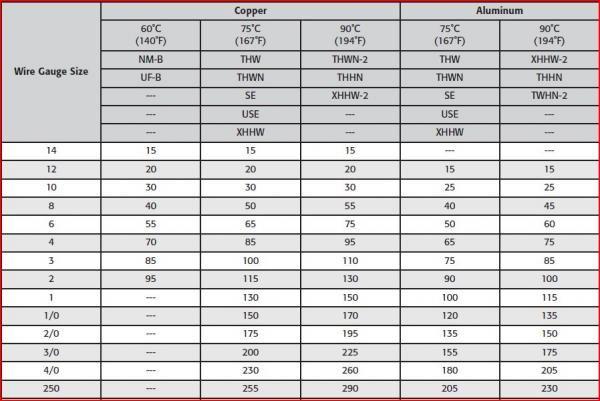
Use ampacity chartsto find the current a cable can handle safely. These charts show the maximum amperagefor different cable sizes and types. Always check the cable’s insulationand materialbecause they affect capacity.
Ambient temperatureimpacts cable load capacity. Higher temperatures can lower the cable’s ability to carry current. Adjust ampacity values based on the temperature around the cable.
Cable bundlingmeans grouping cables together. Bundling raises the temperature of cables, reducing their load capacity. Apply correction factors to the ampacity when cables are bundled.
Safety Standards And Regulations
National Electrical Codes (NEC)set the rules for safe generator cable use. These codes ensure cables handle the correct current without overheating. NEC defines cable types, sizes, and insulation requirements. Following NEC helps prevent electrical fires and accidents.
Local Compliance Requirementscan differ from national codes. Some areas need special permits or inspections for generator installations. Local rules may require specific cable materials or installation methods. Always check with local authorities to meet all legal standards.
- NEC provides guidelines for cable load capacity
- Local rules may add extra safety steps
- Proper cable sizing prevents overheating
- Inspections ensure cables meet safety standards
Credit: www.doityourself.com
Common Mistakes To Avoid
Overloading cablescan cause them to heat up and fail. Always check the cable’s load capacity before use. Using cables beyond their limit risks fire and damage.
Ignoring voltage dropleads to poor performance. Voltage drop happens when electricity travels far and loses power. Use proper cable size and length to avoid this.
Improper cable installationmay cause loose connections and shorts. Secure cables tightly and avoid sharp bends. Keep cables away from water and heat sources for safety.
Expert Tips For Accurate Measurement
Use multimetersand clamp metersto measure current safely. Always select tools rated for the cable’s voltage and current. Double-check instrument calibration to ensure accurate readings. Measure cable resistance to detect any faults or wear. Proper tools help avoid overloadingand potential hazards.
Regular checks keep cables in good condition. Look for signs of damage like cracks or burns. Clean connections to prevent resistance build-up. Replace worn cables to maintain safe load capacity. Routine maintenance extends cable life and prevents failures.
Credit: stex24.com
Frequently Asked Questions
What Is Generator Cable Load Capacity?
Generator cable load capacity is the maximum current a cable can safely carry. It depends on cable size, insulation, and length. Proper measurement prevents overheating and power loss.
How To Calculate Generator Cable Load Capacity?
Calculate load capacity by checking cable gauge, insulation type, and length. Use manufacturer charts or online calculators for accurate results. Always consider ambient temperature and installation conditions.
Why Is Measuring Cable Load Capacity Important?
Measuring cable load capacity ensures safety and efficiency. It prevents cable damage, reduces fire risks, and maintains stable power delivery. Correct sizing extends cable lifespan.
Can Cable Length Affect Load Capacity?
Yes, longer cables increase resistance, reducing load capacity. Voltage drop rises with length, impacting performance. Always factor cable length when measuring load capacity.
Conclusion
Measuring generator cable load capacity ensures safe and efficient power use. Always check cable size and load limits carefully. Use proper tools to get accurate results. Avoid risks like overheating or power loss. Understanding these basics helps protect your equipment.
Stay safe by following clear guidelines every time. Keep your generator running smoothly with correct cable choices. Simple steps make a big difference in performance. Trust in proper measurement for long-lasting operation.