
Understanding how to measure generator enclosure dimensions is crucial for anyone looking to ensure their generator operates efficiently and safely. Whether you’re setting up a new generator or replacing an old enclosure, getting the dimensions right can prevent overheating and protect against the elements.
Imagine the peace of mind you’ll have knowing your generator is housed securely, reducing the risk of damage and costly repairs. In this guide, we’ll walk you through the simple steps to accurately measure your generator enclosure dimensions. You’ll discover practical tips that make the process straightforward, even if you’re not a DIY expert.
Are you ready to learn how to protect your investment and keep your power supply reliable? Let’s dive in!

Credit: www.amazon.com
Tools Needed
Measuring tapeis a basic tool to measure the length, width, and height of the generator enclosure. It helps get accurate dimensions quickly.
Calipers and rulersare useful for smaller parts or tight spaces. They provide precise measurements for detailed areas.
Safety equipmentlike gloves and safety glasses protect you while measuring around the generator. Safety is very important.
Credit: bepowerequipment.com
Key Dimensions To Measure
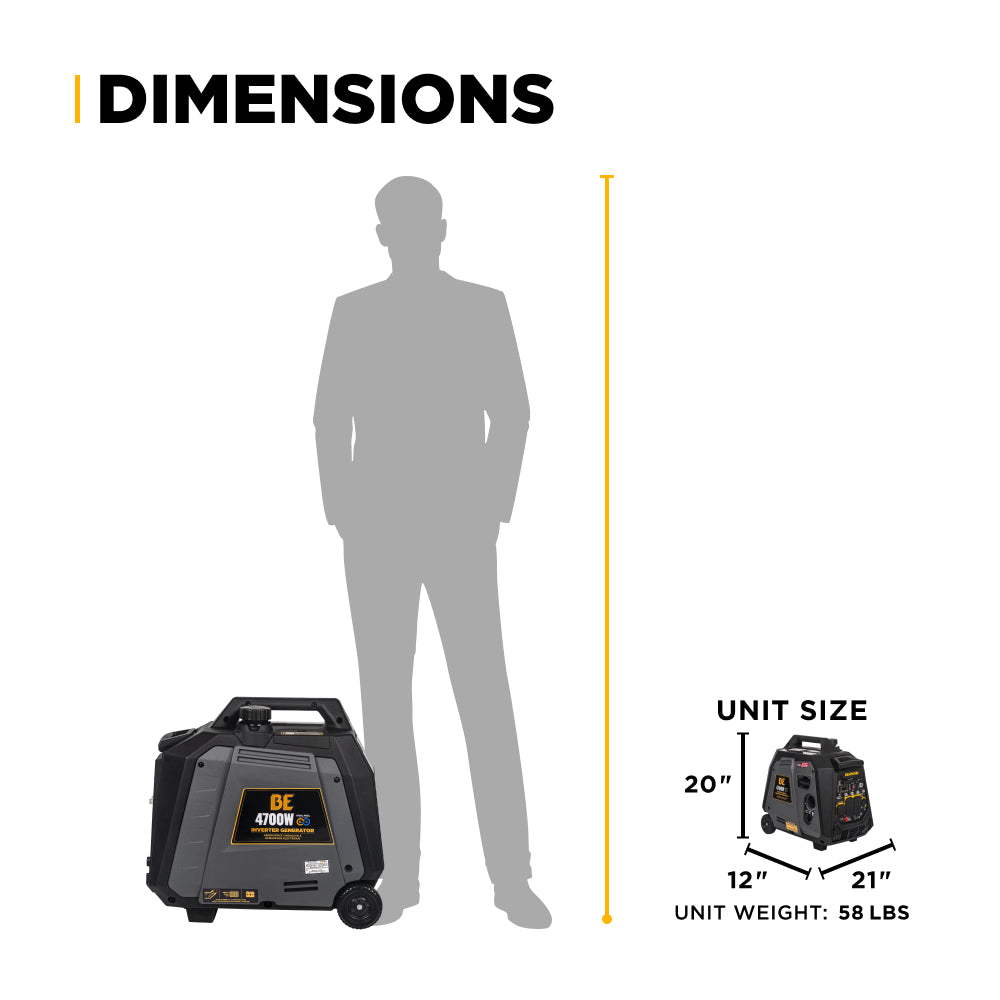
Measure the lengthof the generator enclosure from one end to the other. This helps know how much space it will take.
The widthis the distance across the enclosure’s front. It is important to measure this to fit the space.
Heightis the vertical size from bottom to top. Make sure to measure it so the enclosure fits well.
Clearance spaceis the area around the enclosure. This space lets air flow and allows easy access for maintenance.
Preparing The Generator
Always turn offthe generator before measuring. Secureit to stop any accidents. Safety is key.
Next, clean the surfacearound the generator. Remove dust, dirt, and oil. A clean area helps get exact measurements.
- Switch off the power supply.
- Lock the generator to prevent movement.
- Wipe the enclosure with a dry cloth.
- Check for any debris or obstacles.
Measuring Length And Width
Measure the lengthand widthfrom the outer edgesof the generator enclosure. This gives the full size, including any extra parts. Use a tape measure for accuracy.
Don’t forget to include the mounting points. These are often small parts sticking out. They add to the total size and must fit in the space where the enclosure goes.
- Start at one outer edge and stretch the tape to the opposite edge.
- Note the measurement in inches or centimeters.
- Check all corners for mounting points and include them in the measurement.
- Double-check to avoid mistakes.
Measuring Height
Measure the height of your generator enclosure by placing a tape measure from the base to the top edge. Ensure the tape is straight and vertical for an accurate reading. Record the measurement to help select the right enclosure size.
Base To Top
Measure the height from the base of the generator enclosure to its top. Make sure to include any exhaust pipes or vents in the measurement. These parts can stick out and add to the total height. Use a tape measure and keep it straight for an accurate reading.
Including Exhaust And Vents
Check all parts that extend above the enclosure’s main body. This includes exhaust pipes, vents, and any other attachments. Add their height to the main enclosure height. This total height helps in planning space for installation or transportation.
Recording And Verifying Measurements
Always double checkyour measurements to avoid errors. Measure each side more than once. Use a tape measure or laser tool for accuracy. Cross-check measurements against your initial notes to find any differences.
Noting tolerancesmeans allowing small differences in size. These differences depend on the material and purpose of the enclosure. Write down the acceptable range of measurements. This helps ensure the enclosure fits well without being too tight or loose.
Common Mistakes To Avoid
Ignoring clearancespace can cause serious issues. Always leave extra room for ventilationand maintenance. Tight spaces may lead to overheating or damage. Check the manufacturer’s instructions for required clearances.
Using inaccurate toolsresults in wrong measurements. Tape measures that are bent or stretched give false sizes. Digital tools with low battery might show errors. Use reliable, well-calibrated tools for precise results.
- Measure twice to confirm accuracy.
- Use a flat surface for measurement.
- Record dimensions clearly and neatly.
- Keep tools clean and in good condition.

Credit: www.amazon.com
Frequently Asked Questions
What Tools Are Needed To Measure Generator Enclosure Dimensions?
You need a tape measure, a notepad, and a pen. A laser measure can improve accuracy. Ensure the tape is rigid for straight edges. Measure length, width, and height carefully. Record each measurement clearly for reference.
How To Measure The Length Of A Generator Enclosure?
Place the tape measure at one end of the enclosure. Extend it straight to the opposite end. Avoid bending the tape for accuracy. Note the length in feet or meters. Repeat for confirmation if needed.
Why Is Accurate Measurement Important For Generator Enclosures?
Accurate measurements ensure the enclosure fits perfectly. Proper fit prevents weather and noise issues. It helps in planning space and installation. Incorrect size may cause costly adjustments or replacements.
Should I Measure External Or Internal Enclosure Dimensions?
Measure external dimensions for installation space planning. Internal dimensions help assess generator fitting and airflow. Both measurements are vital for proper enclosure design. Clarify your measurement purpose before starting.
Conclusion
Measuring generator enclosure dimensions is simple with the right steps. Start by noting the length, width, and height carefully. Use a tape measure and write down each number. Double-check your measurements to avoid mistakes. Knowing exact sizes helps choose the perfect enclosure.
This keeps your generator safe and working well. Taking time to measure right saves money later. Follow these tips for easy and accurate results every time.