
Are you tired of power outages disrupting your daily life or business operations? Your generator cabin is your lifeline during these times, but without proper monitoring, it can become unreliable.
Imagine the peace of mind you’ll have knowing your generator is always in top condition, ready to kick in when you need it most. You’ll discover effective strategies to keep an eye on your generator cabin, ensuring it’s always running smoothly.
You’ll learn practical tips that are easy to implement, making generator monitoring a hassle-free task. Dive in, and empower yourself with the knowledge to maintain your generator’s optimal performance, so you’re never left in the dark again.
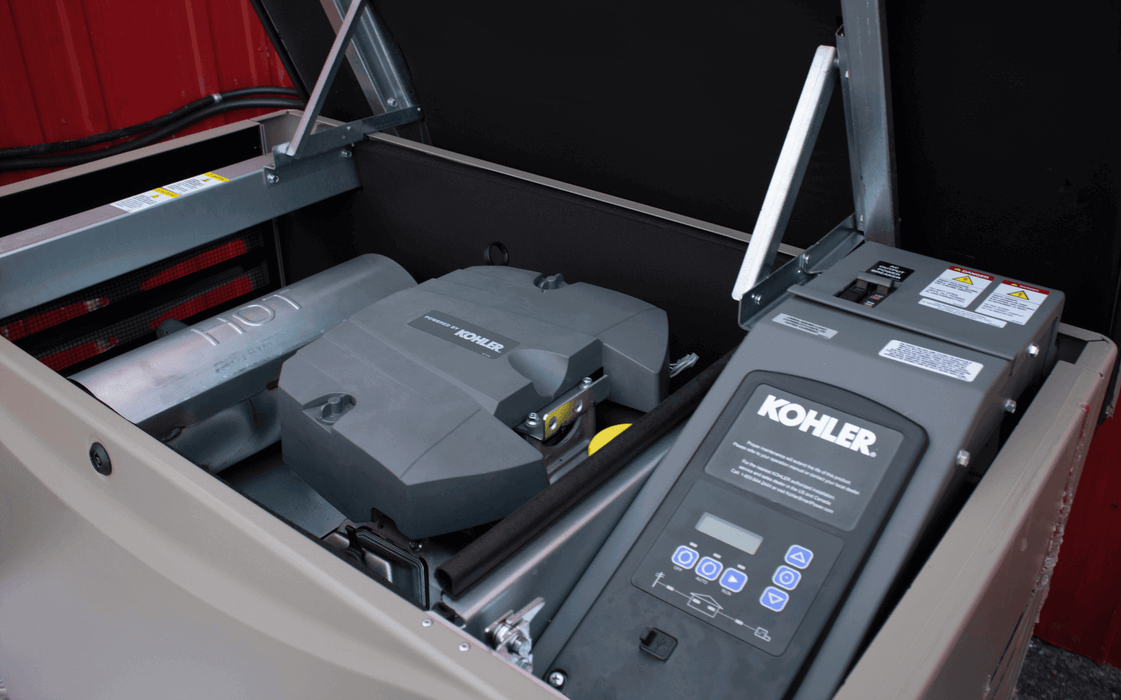
Credit: thecabindepot.ca
Importance Of Monitoring Generator Cabins
Monitoring generator cabinshelps avoid costly equipment failure. Early detection of issues prevents downtime and repairs. This keeps the generator working smoothly.
Regular checks improve operational efficiency. Tracking fuel levels, temperature, and oil ensures the generator runs well. This saves fuel and cuts costs.
Safety is boostedby monitoring. Detecting leaks or overheating early protects workers and property. Alarms and sensors alert staff to hazards fast.
- Detect problems early to stop breakdowns
- Track performance to save fuel and time
- Use sensors to catch safety risks quickly
- Maintain generator life with regular checks
Key Parameters To Monitor
Temperature levelsinside the generator cabin should be checked often. Too high or too low temperatures can cause damage. Use a thermometer to track changes. Keep the cabin well-ventilated to avoid overheating.
Fuel consumptionshows how much fuel the generator uses. Monitor it daily. Sudden increases may mean a problem. Good fuel use keeps the generator running longer and saves money.
| Parameter | What to Monitor | Why It Matters |
|---|---|---|
| Voltage and Current Output | Check voltage and current levels | Ensures stable power supply and prevents damage |
| Vibration and Noise | Listen for unusual sounds and feel vibrations | Early signs of mechanical issues or loose parts |
Essential Tools For Monitoring
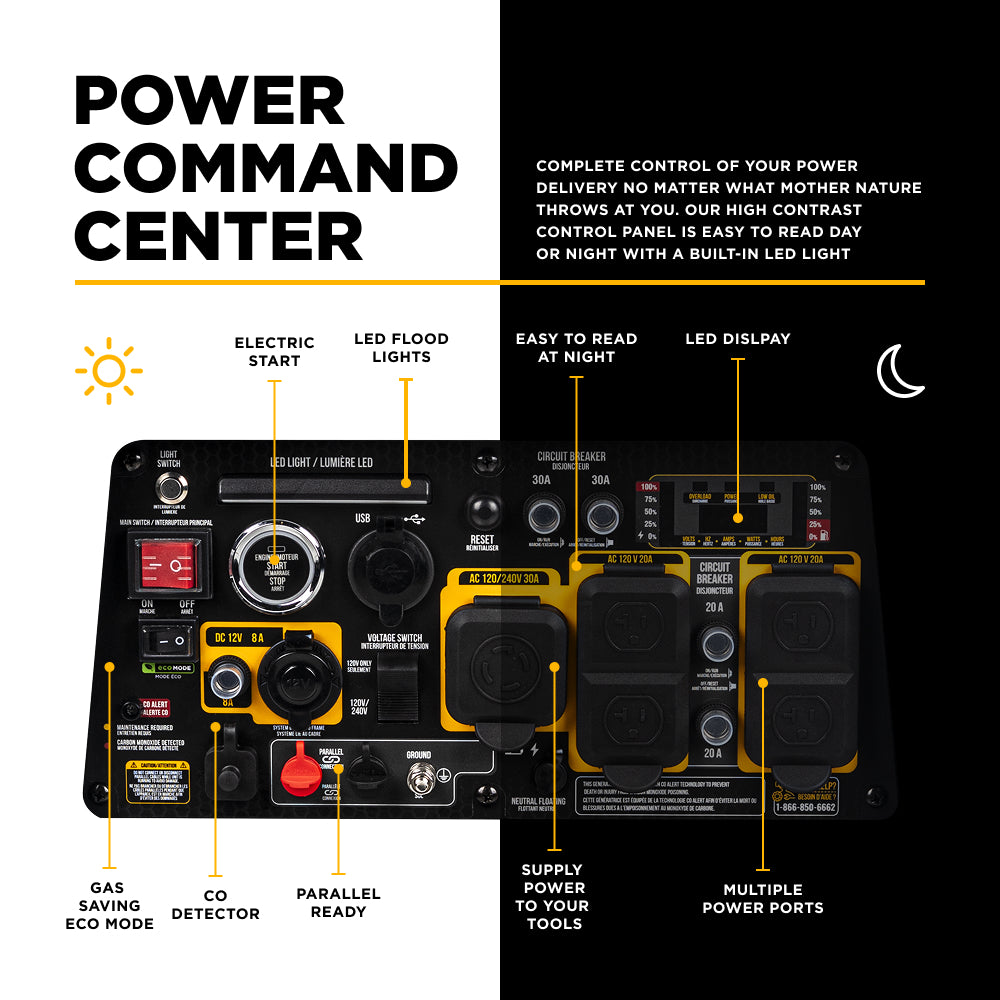
Sensors and gaugeshelp check the generator’s key parts. They measure fuel levels, temperature, oil pressure, and voltage. This data shows if the generator works well or needs fixing.
Remote monitoring systemslet you watch the generator from far away. You can see the status on your phone or computer. Alerts notify you of problems fast, so you can act quickly.
Data logging devices save information over time. This helps track performance and find patterns. You can use the data to plan maintenance and avoid breakdowns.
Manual Vs Automated Monitoring
Manual checkslet you see the generator’s condition closely. You can catch small problems early. It helps with simple fixesand keeps the generator ready. Manual checks need regular visitsand time. It depends on the person’s skill and care.
Automationuses sensors and software to watch the generator all the time. It sends alerts if something is wrong. This saves timeand gives fast responses. Automation works well in places hard to reach. It needs initial setupand some cost.
Combining both ways gives the best results. Use automation for constant monitoring. Do manual checks for detailed inspectionand fixing small issues. Together, they make sure the generator runs smoothlyand safely.
Common Challenges And Solutions
Harsh environmentscan damage generator cabins quickly. Dust, rain, and extreme heat affect sensors and wiring. Use strong, weatherproof covers and clean filters often. Place the generator on raised platforms to avoid water damage. Regular checks help spot problems early and keep the system running smoothly.
Generators create a lot of data. Too much data can confuse and slow monitoring systems. Use filters to focus on important signals only. Set alerts for critical issues like high temperature or low fuel. This stops data overload and helps act fast on real problems.
Calibration ensures devices measure correctly. Over time, sensors may give wrong readings. Check calibration regularly using standard tools. Keep records of calibration dates and results. Proper calibration improves accuracy and prevents costly errors.

Credit: thecabindepot.ca
Best Practices For Effective Monitoring
Establishing a regular maintenance scheduleis key. Check the generator cabin and engine parts often. Clean filters and oil to keep it running smoothly. Record all maintenance tasks to track issues early.
Train personnel well. Teach them how to spot problems fast. Show the right ways to operate and maintain the generator. This helps avoid mistakes and keeps the generator safe.
- Set up alerts and notificationsfor any faults.
- Use sensors to monitor temperature, oil level, and fuel.
- Send alerts via SMS or email to the maintenance team.
- Respond quickly to warnings to prevent damage.
Credit: bepowerequipment.com
Frequently Asked Questions
How Often Should I Inspect A Generator Cabin?
Inspect your generator cabin at least once a month. Regular checks prevent damage and ensure efficient operation. Look for leaks, corrosion, and loose connections. Timely maintenance extends generator lifespan and avoids costly repairs.
What Are Key Parameters To Monitor In A Generator Cabin?
Monitor voltage, current, oil pressure, and coolant temperature. These parameters indicate generator health and performance. Use sensors and gauges for real-time data. Promptly address any abnormal readings to avoid breakdowns.
How Can I Remotely Monitor My Generator Cabin?
Use IoT-based remote monitoring systems with sensors and connectivity. These systems send alerts via apps or emails about generator status. Remote monitoring helps track performance and schedule maintenance without physical presence.
Why Is Ventilation Important In Generator Cabins?
Proper ventilation prevents overheating and removes exhaust gases. It ensures the generator runs efficiently and safely. Poor ventilation can cause equipment failure and health hazards due to toxic fumes.
Conclusion
Monitoring your generator cabin helps keep it safe and working well. Check the fuel, oil, and battery often. Watch for strange sounds or smells. Use simple tools to track performance. This saves money and avoids surprises. Stay alert and fix small problems fast.
Good care means your generator lasts longer. Keep your power steady, no matter what.