Have you ever wondered if your generator cables are handling the power load safely? Monitoring generator cable amperage is crucial to ensure safety and efficiency in your power systems.
Imagine the peace of mind you’ll have knowing your setup is running smoothly and effectively. This guide will show you how to monitor amperage like a pro. You’ll learn simple, actionable steps to protect your equipment and prevent costly damage.
Ready to dive in and take control of your power system’s performance? Let’s explore how you can safeguard your setup and keep everything running seamlessly.
Credit: andisama.medium.com
Why Monitor Generator Cable Amperage
Monitoring generator cable amperagehelps prevent electrical hazards. It ensures cables do not carry more current than they are designed for. Excess amperage can cause cable overheating, risking fires and equipment damage.
Amperage monitoring also prolongs cable lifeby avoiding stress. It helps maintain system efficiencyand prevents unexpected power failures. Knowing the load on cables allows timely maintenance and safe operation.
Ignoring cable load can lead to:
- Overheatingand melting of cable insulation
- Short circuitsand electrical fires
- Equipment damageand costly repairs
- Power outagesaffecting connected devices

Credit: bernini-design.com
Types Of Amperage Measurement Tools
Clamp metersmeasure current without disconnecting wires. They clamp around a cable and show the amperage directly. These tools are easy to useand safe for quick checks. Ideal for non-invasivemeasurements.
Multimeterscan measure voltage, current, and resistance. To measure current, wires must be disconnected and connected through the meter. This method is accuratebut requires more care and knowledge.
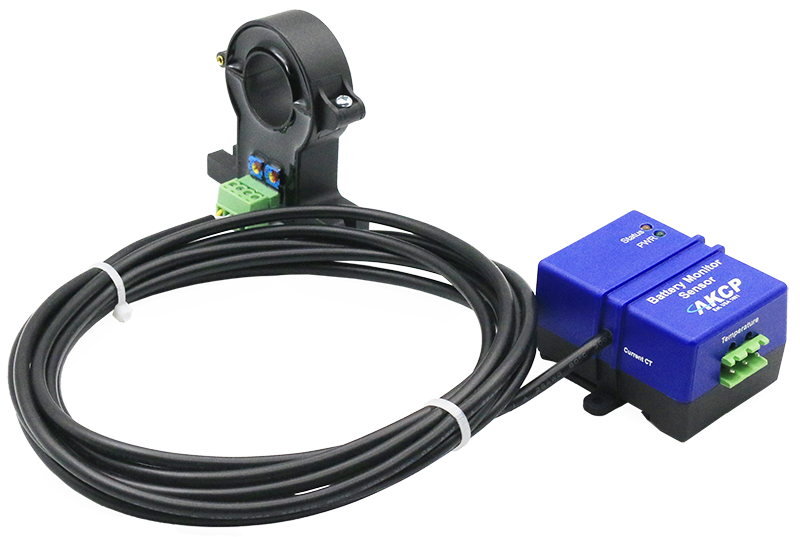
Current transformers(CTs) are used for continuous monitoring. They wrap around a cable and produce a smaller current proportional to the cable’s current. These are common in industrialand large systems.
Step-by-step Monitoring Process
Always wear insulated glovesand safety glasses before starting. Check the work area for dry and clear conditions. Use non-conductive toolsto prevent shocks. Keep a fire extinguisher nearby for emergencies. Safety is the top priority when handling electrical cables.
Choose a clamp meteror an ammeterthat suits your cable size and current range. The tool must be calibratedand easy to read. Digital meters offer more accuracy. Make sure the tool can measure AC currentcorrectly.
Clamp the meter around only one conductor of the cable, not the whole cable. Keep the cable straight and avoid tangles. Read the meter display carefully. Record the amperage valueshown. Repeat measurements at different times for accuracy.
Tips For Accurate Readings
Avoid electrical noiseto get clear readings. Keep cables away from other wires and devices. Use shielded wires if possible. Avoid placing measurement tools near motors or transformers. This helps reduce interferencethat can cause wrong readings.
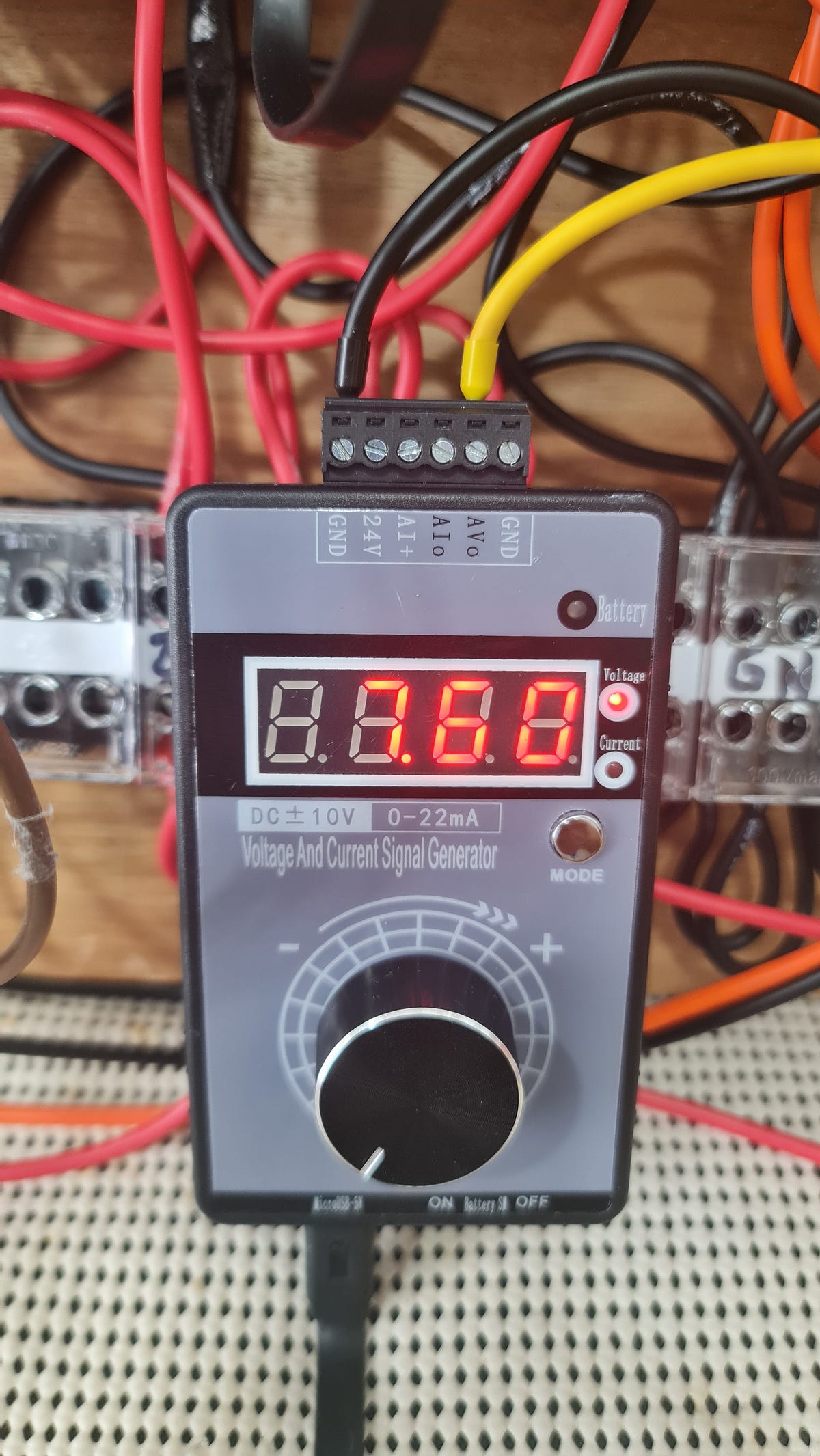
Calibrate your tools regularly. Check the tool’s accuracy before use. Use a known current source to test the meter. Calibration ensures the meter shows the correct amperage and avoids measurement errors.
- Always measure the same cable point for consistency.
- Keep the meter settings the same for each test.
- Use a steady hand to avoid sudden changes.
- Record readings at similar times and conditions.
Consistent measurement practiceshelp track changes accurately. This way, you notice real differences, not errors from poor technique.
Troubleshooting Common Issues
Fluctuating amperage readingsoften occur due to loose connections or interference. Check all cable ends for tightness. Use shielded cables to reduce electrical noise. Avoid placing cables near large motors or transformers. Consistent readings mean stable power flow.
Faulty tools can cause incorrect measurements. Test your meter on a known source first. Replace batteries regularly for accurate results. Calibrate your meter as per manufacturer instructions. Using the right tool for the job ensures safety and accuracy.
Cable overloadshappen when current exceeds cable limits. This can cause overheating and damage. Use cables rated for the expected amperage. Inspect cables for signs of wear or burns. Install proper circuit breakers or fuses to protect the system.
Maintaining Generator Cable Health
Regular checks help find problems early. Look for cracks, cuts, or wear on cables. Check connectors for rust or loose parts. Use a clamp meter to measure cable amperage safely. This tool shows how much current flows through cables.
Manage load to keep cables safe. Avoid running cables near or above their max amperage. Spread power usage evenly across cables. Turn off unused devices to reduce load. This helps stop cable heating and damage.
Replace cables that look worn out. Old cables can cause power loss and safety risks. Use cables with the right size and rating for your generator. Proper cable care keeps power steady and safe.

Credit: www.amazon.ca
Frequently Asked Questions
How Do I Measure Generator Cable Amperage Safely?
Use a clamp meter around the cable to measure amperage safely. Avoid direct contact with live wires. Ensure the generator is grounded and follow all safety guidelines to prevent electrical hazards.
Why Is Monitoring Generator Cable Amperage Important?
Monitoring amperage prevents overloads and potential cable damage. It ensures the generator operates efficiently and safely. Regular checks help identify electrical faults early, reducing the risk of equipment failure.
What Tools Are Best For Measuring Cable Amperage?
Clamp meters and digital multimeters with current clamp attachments are ideal. These tools provide accurate, non-intrusive amperage readings. Choose meters rated for the generator’s voltage and current capacity.
How Often Should Generator Cable Amperage Be Checked?
Check amperage before each major use and during routine maintenance. Frequent monitoring helps detect issues early. For continuous operations, consider installing permanent amperage sensors for real-time data.
Conclusion
Monitoring generator cable amperage keeps your system safe and efficient. Check readings often to avoid overloads or damage. Use the right tools and follow clear steps for best results. Staying alert helps prevent costly repairs and downtime. Simple checks today protect your generator’s performance tomorrow.
Keep your equipment running smoothly and your power steady. Regular monitoring saves time and money in the long run. Stay safe, stay informed, and keep your generator working well.