
Have you ever experienced a power outage at the worst possible time? Your generator is your lifeline in such moments, but how do you ensure it performs optimally when you need it most?
The secret lies in monitoring your generator cable performance effectively. Imagine having peace of mind, knowing that your generator will kick in seamlessly whenever you face a blackout. By mastering the art of cable monitoring, you can avoid unexpected failures and costly repairs.
This guide will walk you through simple yet crucial steps to keep your generator cables in top shape, ensuring reliable backup power whenever you need it. Ready to dive in and discover how to safeguard your power supply? Let’s get started!

Credit: www.youtube.com
Importance Of Cable Monitoring
Cable failurecan cause serious problems for generators. It may stop the generator from working or cause power loss. Damaged cables can lead to short circuitsand even fires. This puts people and machines at risk. Monitoring cables helps catch issues early. It saves money on repairs and avoids unexpected downtime. Regular checks keep the generator running smoothly. This ensures reliable power supplywhen needed.
Good cable health means the generator works at full capacity. Bad cables reduce performance and increase energy waste. Faulty connections cause voltage drops, making machines run slower or stop. Monitoring helps find weak spots in cables. Fixing them early keeps the generator safe and efficient. This avoids costly damage and long breaks in power.

Credit: www.noyafa.com
Key Performance Indicators
Voltage and current levelsare key signs of cable health. Check if voltage stays steady during generator use. Sudden drops or spikes can mean cable damage or connection issues. Current levels should match the generator’s capacity. Overloading cables can cause overheating and failure.
Temperature and insulation resistancealso show cable condition. High temperature means cables may be overheating. This can cause insulation to break down and increase the risk of short circuits. Measure insulation resistance regularly to find moisture or dirt inside cables. Low resistance means insulation is weak and needs attention.
Inspection Techniques
Visual checkshelp spot obvious issues like cracks, cuts, or corrosion on generator cables. Look for loose connections or signs of wear. Regular inspections can catch problems early before they worsen.
Thermal imagingshows hot spots that may indicate cable faults or poor connections. This method is safe and fast, revealing issues not visible to the eye. It helps prevent overheating and damage by detecting abnormal heat patterns.
Electrical testingmeasures cable resistance, insulation, and continuity. This testing ensures cables work properly and safely. It helps identify hidden faults that visual and thermal checks might miss.
Tools And Equipment
Multimeters and clamp metersmeasure voltage, current, and resistance in generator cables. They help find faults and poor connections. Clamp meters are easy to use without disconnecting cables.
Insulation testerscheck cable insulation quality. They send a small current to find weak spots or damage. Good insulation prevents short circuits and power loss.
Thermal camerasdetect heat from cables. Hot spots mean overload or bad connections. This tool shows problems visually, helping to fix issues early.
Data Logging And Analysis
Real-time monitoring systemstrack generator cable performance continuously. Sensors collect data on temperature, voltage, and current. This helps spot problems early before damage happens.
Data logging stores information for later review. It shows how cables behave over time. Patterns can reveal wear and tearor potential failures.
Understanding data trends is key. Sudden spikes or drops in readings may signal issues. Regular checks of these trends help keep cables safe and reliable.
- Watch for steady increases in temperature
- Check voltage for unusual dips or surges
- Look for current flow changes that differ from normal
- Compare data over days, weeks, and months
Maintenance Best Practices
Regular cleaning helps keep generator cables free from dirt and dust. This prevents poor connections and overheating. Check cable connections often and tighten any loose ends. Loose cables can cause sparks or power loss. Use a dry cloth or soft brush for cleaning. Avoid using water or harsh chemicals, as they can damage cables.
Replace cables that show signs of wear or damage. Cracks, fraying, or discoloration mean the cable is unsafe. Using damaged cables can lead to short circuits or failure. Always use cables that match the generator’s specifications. Proper cable care increases safety and extends generator life.
Safety Precautions
Personal Protective Equipment (PPE)is essential for safety when working near generator cables. Wearing insulated gloves and boots protects against electric shock. Safety glasses prevent eye injuries from sparks or debris. Hard hats guard the head from falling objects. High-visibility clothing helps others see you clearly in low light.
Lockout and Tagout Proceduresstop accidental power flow during maintenance. Always de-energize the generator before inspecting cables. Use locks and tags on switches to warn others. This prevents the generator from turning on unexpectedly. Follow these steps to keep the worksite safe and avoid accidents.
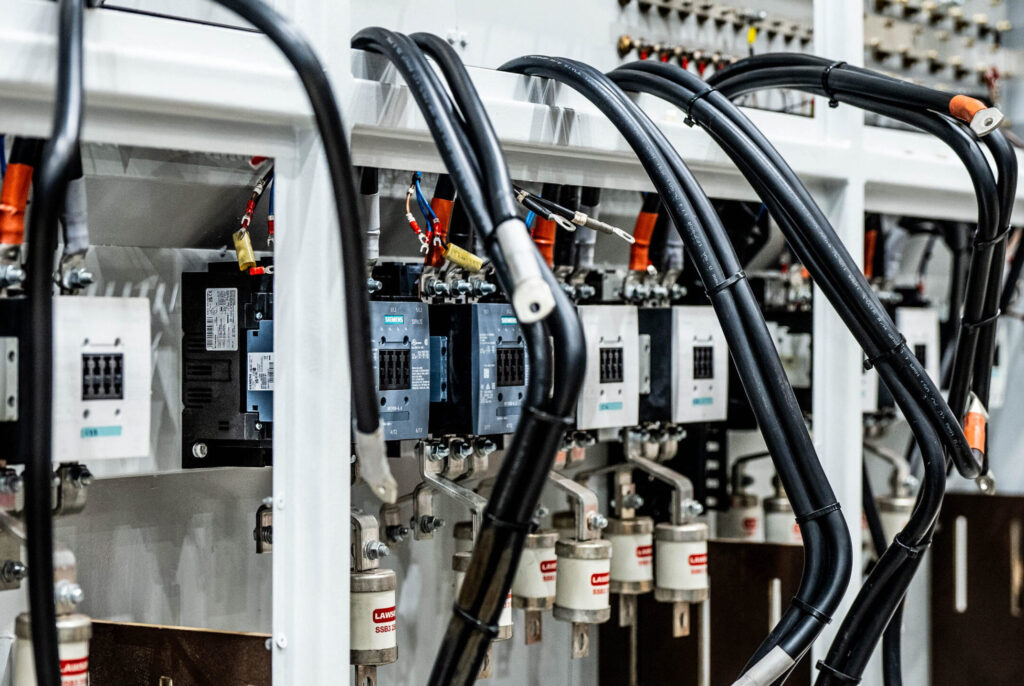
Credit: pleavinpower.co.uk
Frequently Asked Questions
How Often Should I Inspect Generator Cables?
Inspect generator cables at least once every six months. Regular checks help identify wear, damage, or corrosion early. Timely inspections prevent failures and ensure reliable power supply. Follow manufacturer guidelines and local regulations for specific inspection intervals.
What Tools Are Needed To Monitor Cable Performance?
Essential tools include a multimeter, insulation resistance tester, and thermal camera. These tools detect voltage irregularities, insulation issues, and overheating. Using proper equipment ensures accurate assessment and prevents electrical hazards during monitoring.
Can Environmental Factors Affect Generator Cable Health?
Yes, extreme temperatures, moisture, and UV exposure degrade cable insulation. Harsh environments accelerate wear and increase failure risks. Protect cables with proper insulation and regular maintenance to extend their lifespan.
What Signs Indicate Generator Cable Failure?
Look for discoloration, cracks, frayed insulation, or unusual heat. Frequent tripping of breakers or voltage drops also signal cable issues. Early detection of these signs helps avoid costly downtime and repairs.
Conclusion
Monitoring generator cable performance helps keep your system safe. Check cables often for wear and damage. Use simple tools to test voltage and continuity. Early detection stops bigger problems and costly repairs. Stay alert to any unusual heat or noise.
Good maintenance extends cable life and boosts reliability. Keep records of inspections and tests for reference. Small steps protect your generator and ensure smooth operation. Don’t wait until failure happens. Regular checks make all the difference.