
Imagine this: a power outage strikes, and you confidently turn on your generator, ready to restore light to your home or business. But suddenly, it sputters to a halt.
The culprit? An empty fuel tank you didn’t see coming. Monitoring your generator’s fuel level is crucial, not just for peace of mind, but for ensuring your generator runs smoothly when you need it most. In this guide, you’ll discover simple yet effective ways to keep an eye on your generator’s fuel level, preventing those unexpected shutdowns.
Stay with us, and you’ll learn how to always keep your power running smoothly and efficiently.

Credit: unitedtracker.com
Why Monitor Fuel Levels
Monitoring fuel levels helps avoid unexpected shutdowns. Running out of fuel stops the generator, causing problems. Keeping an eye on the fuel gauge ensures the generator runs smoothly without interruptions.
Tracking fuel use helps optimize consumption. It allows planning refills and avoids waste. This saves money and keeps fuel ready when needed.
Good fuel management can extend generator life. Regular checks prevent damage from running dry. Proper fuel levels keep the engine healthy and working longer.
Types Of Fuel Level Indicators
Mechanical gaugesuse a float inside the tank to show fuel level. The float moves up or down as fuel changes. This movement turns a needle on a dial. They are simple and easy to read. No power is needed for these gauges.
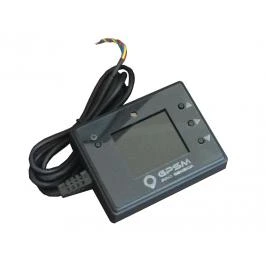
Electronic sensorsdetect fuel level using electrical signals. They send data to a display or control system. These sensors can be very accurate. They work well in many types of generators.
Ultrasonic monitorsuse sound waves to measure fuel level. The device sends sound pulses into the tank. It then measures how long the echo takes to return. This helps find the fuel height without touching it. Ultrasonic monitors are good for tanks that are hard to open.
Manual Monitoring Techniques
Visual inspectionshelp check the fuel tank level quickly. Open the fuel cap and look inside. A clear view shows if the fuel is low or full. This method works best for small tanks or tanks with transparent parts.
Dipstick measurementsgive a more exact reading. Use a clean stick to dip into the fuel tank. Pull it out and see how much fuel sticks to it. Mark the fuel level on the stick and compare it with the tank height to estimate fuel amount.
Regular logging practiceskeep track of fuel use over time. Write down fuel levels at set times each day or week. Note the date and time to spot trends or sudden drops. This helps plan refills and avoid running out of fuel.
Using Digital Fuel Monitoring Systems
Fuel sensors fit easily inside your generator’s fuel tank. They send data about the fuel level in real-time. These sensors help avoid running out of fuel unexpectedly.
Mobile apps connect with fuel sensors via Wi-Fi or Bluetooth. They display fuel levels on your phone or tablet. This makes checking fuel easy, no matter where you are.
- Set alerts for low fuel levels to get quick warnings.
- Receive notifications when the tank is full or empty.
- Customize alerts to fit your fuel use and schedule.
Maintenance Tips For Accurate Readings
Cleaning sensors and gaugeskeeps fuel level readings accurate. Dirt and dust can block sensors. Wipe them gently with a soft cloth. Avoid harsh chemicals that may damage parts. Regular cleaning prevents false readings and sensor failure.
Calibrating measurement toolsensures the fuel gauge shows the right level. Follow the manufacturer’s instructions for calibration. Use standard fuel quantities to check accuracy. Small errors can lead to wrong fuel estimates. Calibration helps maintain trust in readings.
Checking for fuel contaminationis vital for correct fuel level monitoring. Water or dirt in fuel tanks can affect sensors. Look for unusual fuel color or smell. Remove contaminants to avoid damage. Clean fuel keeps the generator running well and readings true.
Credit: gpsm.ua
Troubleshooting Common Issues
Inaccurate readingscan cause confusion about fuel levels. Check the sensor for dirt or damage. Clean the sensor gently using a soft cloth. Replace the sensor if it shows visible cracks or corrosion. Sensors near the fuel tank may wear out over time.
Fuel gauges sometimes stop working due to wiring issues. Inspect wiring connections for loose or broken wires. Tighten or replace any faulty connections. Test the gauge with a multimeter to ensure it works properly. A faulty gauge may need a full replacement.
Regular checks can prevent most sensor and gauge problems. Keep the fuel tank clean to avoid sensor blockage. Use quality fuel to reduce sensor damage. Monitor the system often to catch issues early.

Credit: www.scribd.com
Frequently Asked Questions
How Do I Check My Generator’s Fuel Level Manually?
To check fuel manually, open the fuel tank cap carefully. Use a dipstick or visual gauge to measure fuel depth. Always ensure the generator is off and cool before checking. This method provides an immediate and accurate fuel level reading.
What Tools Help Monitor Generator Fuel Remotely?
Remote monitoring tools include fuel level sensors and IoT-enabled gauges. These devices send real-time data to your smartphone or computer. They reduce manual checks and prevent unexpected power outages. Choose tools compatible with your generator model for best results.
How Often Should I Monitor Generator Fuel Levels?
Monitor fuel levels before each use and weekly during storage. Regular checks prevent running out of fuel unexpectedly. It also helps detect leaks or fuel quality issues early. Consistent monitoring ensures reliable generator performance when needed.
Can Fuel Level Monitoring Extend Generator Lifespan?
Yes, monitoring prevents running the generator dry, avoiding damage. Proper fuel management maintains engine efficiency and reduces wear. It also helps schedule timely refueling and maintenance. This practice contributes to longer generator life and better reliability.
Conclusion
Monitoring your generator’s fuel level keeps it ready to work anytime. Simple tools and regular checks help avoid unexpected power loss. Keep track of fuel to ensure smooth operation and safety. Consistent monitoring saves money and prevents damage. Stay alert, check often, and keep your generator fueled.
This small effort brings big peace of mind.