Are you tired of unexpected power outages disrupting your business operations? Imagine a seamless workflow where your industrial generator works flawlessly, keeping your business running smoothly even during the most unpredictable moments.
Monitoring your industrial generator isn’t just a technical task; it’s a vital step to safeguard your productivity and peace of mind. You’ve invested in a powerful generator to ensure your business never skips a beat. But how can you be sure it’s always ready to perform?
By learning how to monitor your industrial generator effectively, you can prevent breakdowns and reduce costly downtime. In this guide, you’ll discover simple yet powerful techniques to keep your generator in top shape, ensuring it delivers when you need it most. Ready to take control and enhance your business’s reliability? Keep reading to unlock the secrets of efficient generator monitoring. Your business’s smooth operation depends on it!
Types Of Industrial Generators
Different types of industrial generators need regular monitoring to ensure they work well. Checking fuel levels, temperature, and output helps prevent breakdowns and keeps machines running smoothly. Monitoring tools make this process simple and effective.
Diesel Generators
Diesel generatorsuse diesel fuel to create electricity. They are known for reliable powerand are common in factories. These generators work well in places without natural gas. They need regular maintenance to keep running smoothly. Diesel fuel is easy to store and transport, making these generators popular.
Gas Generators
Gas generatorsrun on natural gas or propane. They produce cleaner emissionscompared to diesel generators. These generators are quieter and better for the environment. They need a steady gas supply to work without interruption. Gas generators are often used in urban areas.
Renewable Energy Generators
Renewable energy generatorsuse natural sources like wind or solar power. They do not need fuel and create no pollution. These generators are great for long-term energysavings. They depend on weather conditions and may need backup power for cloudy or calm days.
Credit: unitedtracker.com
Key Parameters To Monitor
Voltage and frequencymust stay within safe limits. Low or high voltage can cause damage. Frequency changes affect engine speed and power quality.
Fuel levelsneed constant checking. Running out of fuel stops the generator. Keeping fuel topped up avoids downtime.
Oil pressure and temperatureshow engine health. Low oil pressure or high temperature means trouble. Regular monitoring prevents engine failure.
Coolant temperaturehelps avoid overheating. High coolant temperature can damage parts. Proper cooling keeps the generator working well.
Load and power outputshow how much energy the generator produces. Overloading reduces lifespan and causes faults. Balance the load for smooth operation.
Monitoring Methods
Manual inspectionsinvolve checking the generator physically. Technicians look for leaks, wear, and unusual noises. They record readings like oil level and temperature. These inspections help catch problems early but need regular visits.
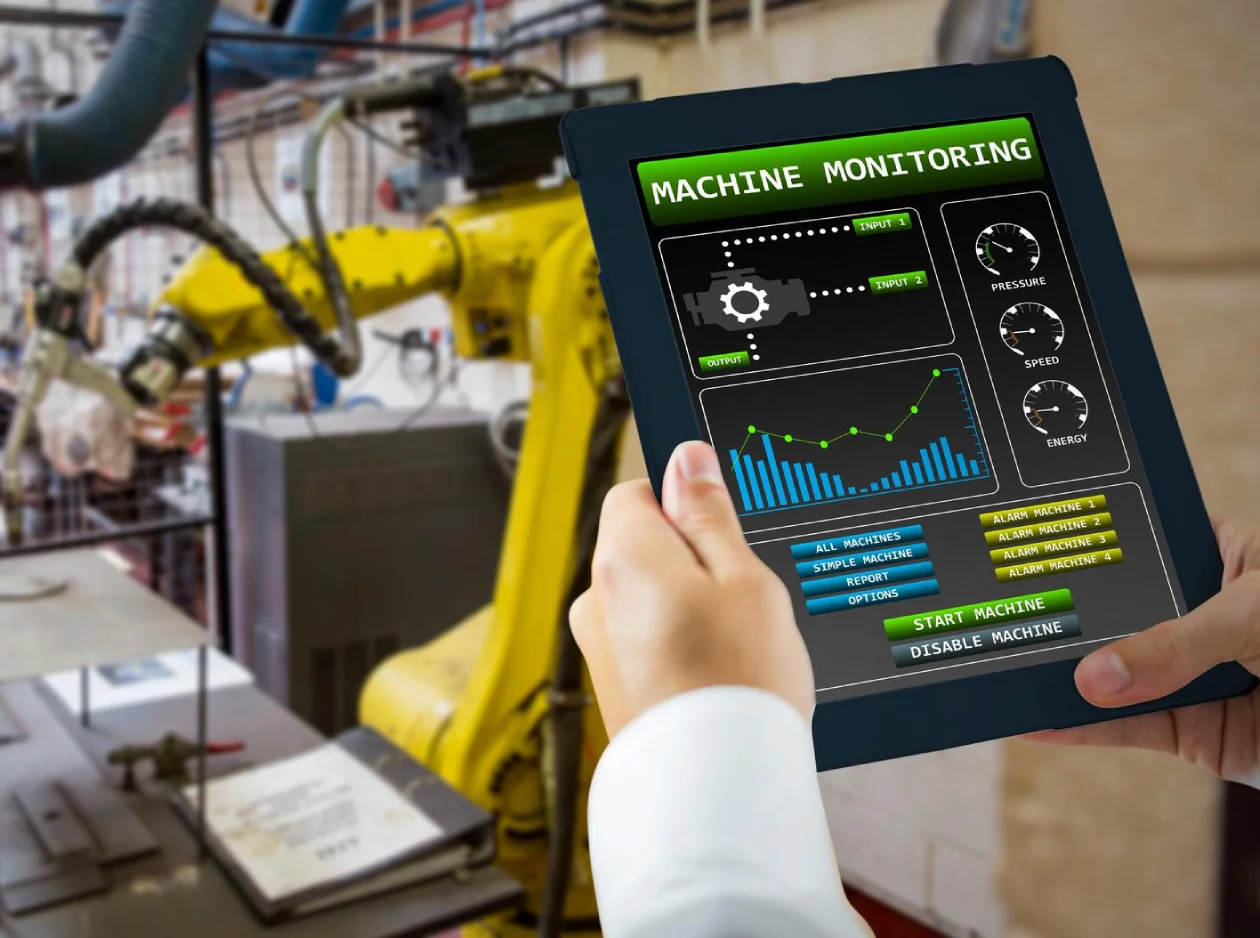
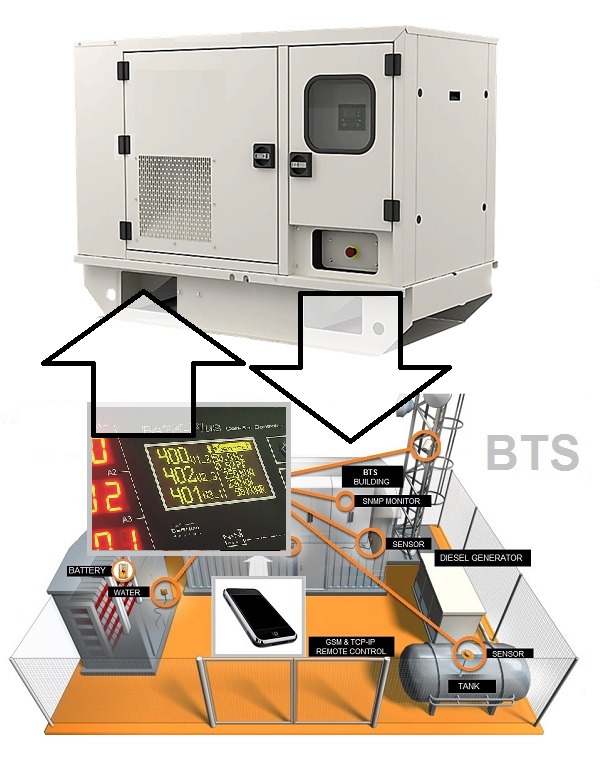
Remote monitoring systemsuse sensors and internet to track generator status. They send data like fuel level, power output, and engine speed to a central system. This allows fast response without being onsite.
Automated alertsnotify operators about issues immediately. Alerts come by text, email, or app notifications. They warn about low fuel, overheating, or faults. Quick alerts reduce downtime and protect the generator.
Essential Monitoring Equipment
Sensors and meterstrack key parts of the generator. They check temperature, pressure,and fuel levels. These tools help spot problems early. Sensors send signals to the control system.
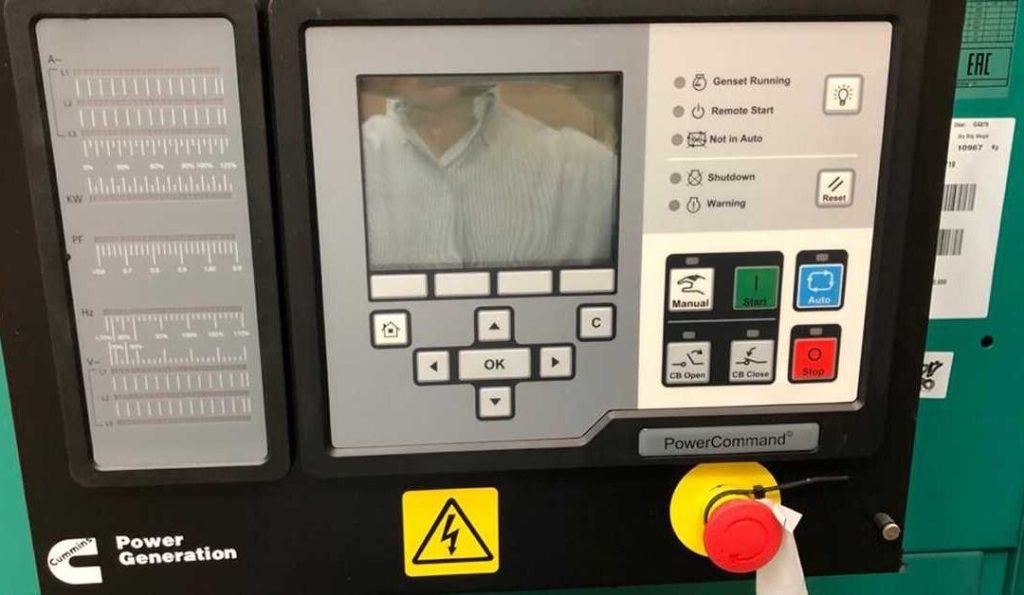
Control panels act as the central hub. Operators use them to see generator status. They show real-time dataand alerts. Controls allow quick response to issues.
Data loggers store information for review. They keep a record of performanceover time. This helps with maintenance planningand troubleshooting. Data can be checked on computers or mobile devices.
Benefits Of Continuous Monitoring
Continuous monitoringhelps spot issues before they cause downtime. It tracks fuel levels, oil pressure, and temperature to keep the generator running smoothly. Early alerts allow quick fixes and avoid costly repairs.
Regular checks can extend the generator’s life. Detecting small problems early stops major damage. This saves money and keeps the generator reliable for longer periods.
- Improves efficiencyby ensuring the generator works at its best.
- Reduces fuel waste and lowers operating costs.
- Maintains steady power output for all machines.

Credit: www.landmarkfuelsecure.co.za
Common Issues Detected By Monitoring
Overheatingcan cause serious damage to generators. It happens when the engine gets too hot. Monitoring temperature sensors helps catch this early. Quick action can prevent breakdowns and costly repairs.
Fuel leakswaste fuel and cause safety risks. Sensors detect drops in fuel levels or unusual smells. Fixing leaks fast keeps the generator running safely and saves money.
Battery failuresstop generators from starting when needed. Monitoring battery health shows if voltage is low or connections are bad. Replacing batteries on time avoids sudden power loss.
Load imbalanceshappen when power demand is uneven across phases. This can damage the generator and connected devices. Monitoring load helps keep power steady and balanced.
Best Practices For Monitoring
Setting a regular maintenance schedulehelps keep the generator running smoothly. Check oil levels, filters, and fuel often. Replace parts before they break to avoid sudden failures.
Training for operators is key. They should know how to start, stop, and check the generator safely. Teaching them to spot signs of trouble early saves time and money.
| Using Analytics for Predictive Maintenance |
|---|
|
Credit: bernini-design.com
Frequently Asked Questions
How Often Should I Monitor An Industrial Generator?
Regular monitoring should be done weekly or monthly, depending on usage. Frequent checks help detect issues early and ensure continuous operation. Scheduled inspections prevent unexpected failures and extend the generator’s lifespan.
What Key Parameters Should I Track In Generator Monitoring?
Monitor fuel level, oil pressure, battery voltage, coolant temperature, and running hours. These parameters reveal the generator’s health and performance. Tracking them helps prevent breakdowns and optimizes maintenance schedules.
Can Remote Monitoring Improve Industrial Generator Management?
Yes, remote monitoring allows real-time data access from any location. It enables quick response to faults and reduces downtime. Remote systems enhance efficiency and provide detailed reports for better decision-making.
What Tools Are Essential For Monitoring Industrial Generators?
Use sensors, control panels, data loggers, and software platforms. These tools collect and analyze operational data efficiently. Proper tools ensure accurate monitoring and timely alerts for maintenance needs.
Conclusion
Monitoring an industrial generator keeps it running safely and efficiently. Regular checks help spot problems early and save money. Use easy tools and clear steps to track performance. Stay alert to fuel levels, temperature, and noise. A well-monitored generator lasts longer and works better.
Keep your equipment in good shape for peace of mind. Simple habits make a big difference in reliability. This keeps your power steady when you need it most.