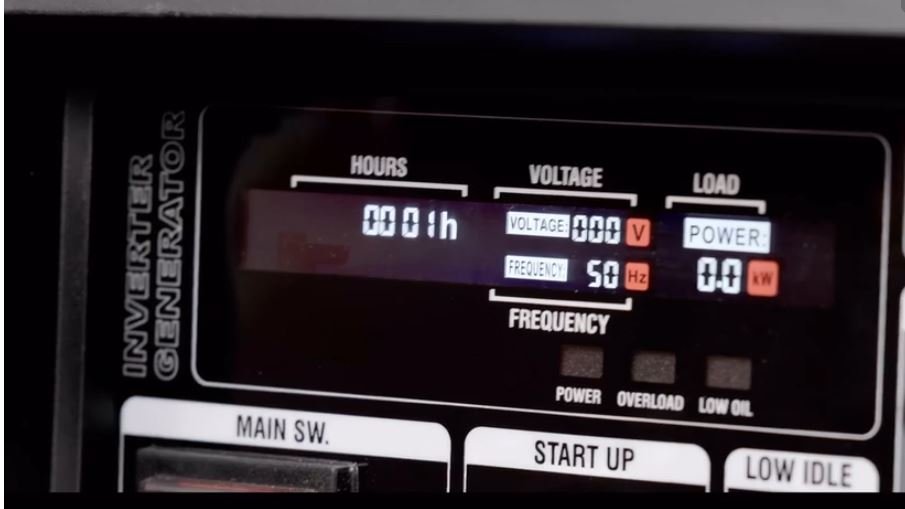
Are you worried about the efficiency of your generator inverter? You’re not alone.
Knowing how to monitor your generator inverter output is crucial for ensuring your power supply runs smoothly and efficiently. Understanding the output helps you catch problems early, save on energy costs, and extend the life of your equipment. Imagine having the peace of mind that comes from knowing your generator inverter is operating at its best.
You’ll be more confident, secure, and prepared for anything. You’ll discover simple yet effective ways to keep an eye on your generator inverter output, ensuring you get the most out of your investment. Dive in to learn how you can take control and make informed decisions for your power needs.
Basics Of Generator Inverter Output
The output of a generator invertershows how well it works. It changes power from DC to AC. Monitoring helps keep power safe and steady. It also stops damage to devices.
| Parameter | What it Shows | Why It Matters |
|---|---|---|
| Voltage | Power level in volts | Too high or low can harm devices |
| Frequency | Cycles per second (Hz) | Keeps machines running at correct speed |
| Current | Flow of electric charge | Shows load and prevents overload |
| Waveform | Shape of output signal | Affects device performance and safety |
Monitoring these parameters helps find problems fast. It ensures safe, clean powerfor your devices. Saves money by avoiding repairs and downtime. Keeps the generator inverter working long and well.
Tools For Monitoring Output
Multimetersand clamp metersmeasure voltage, current, and resistance. Multimeters check the output voltage and frequency precisely. Clamp meters measure current without disconnecting wires. Both tools are simple and affordable for basic monitoring tasks.
Oscilloscopesand data loggerscapture detailed waveforms and trends. Oscilloscopes show real-time voltage changes and signal quality. Data loggers record output over time for later analysis. These tools help detect irregularities and ensure stable output.
- Smart monitoring devicesconnect to your phone or computer.
- They provide easy-to-read data and alerts.
- Some devices track power usage and inverter health remotely.
- Ideal for users wanting constant, simple monitoring.
Step-by-step Monitoring Process
Start by placing the generator on a flat surface. Make sure it is off and cool before working on it. Gather all tools like a multimeter, oscilloscope, and data logger. Check that your equipment is properly charged and working.
Use a multimeter to measure the output voltage. It should match the generator’s rated voltage. Next, measure the frequency. It must be steady and near the standard rate, often 50 or 60 Hz.
An oscilloscope helps check the waveform quality. The wave should be smooth and look like a sine wave. Any spikes or dips mean the output is unstable or faulty.
| Data Type | What to Record | Why It Matters |
|---|---|---|
| Voltage | Readings every 5 minutes | Ensures steady power output |
| Frequency | Continuous monitoring | Checks for stable generator speed |
| Waveform | Visual snapshots | Detects any electrical noise or errors |
Save all measurements for later review. Look for patterns or sudden changes. This helps find problems early and keep the generator running well.

Credit: www.reactpower.com
Common Issues Detected Through Monitoring
Voltage fluctuationscan cause devices to work poorly or stop. These changes may harm sensitive tools. Monitoring helps catch low or high voltage quickly. Fixing it fast protects machines and saves money.
Frequency instabilitymeans the power’s speed changes. This can make engines run unevenly or break. Keeping frequency steady is key for smooth power supply. Watch frequency levels often for safety.
Distorted waveformsshow power is not clean or smooth. This can make devices heat up or fail. Detecting distorted waves early prevents damage. Clear waveforms keep all equipment running well.
Tips For Accurate Monitoring
Calibration of instrumentsis key to get correct readings. Use a trusted reference device to set your tools. Check calibration regularly to avoid errors.
Consistent measurement practiceshelp track changes over time. Always measure at the same points and under similar conditions. Record data clearly for comparison.
Regular maintenance checkskeep your generator inverter working well. Clean and inspect parts often. Replace worn components quickly to prevent faults.

Credit: westinghouseoutdoorpower.com

Credit: westinghouse.com
Frequently Asked Questions
How Do I Check Generator Inverter Output Voltage?
Use a digital multimeter to measure the output voltage directly at the inverter terminals. Ensure the generator is running under load for accurate readings.
What Tools Are Needed To Monitor Inverter Output?
Essential tools include a digital multimeter, oscilloscope, and clamp meter. These help measure voltage, frequency, and current precisely.
Why Monitor Generator Inverter Output Regularly?
Regular monitoring ensures stable power supply, prevents damage, and detects faults early. It helps maintain optimal generator performance and longevity.
How Often Should Inverter Output Be Tested?
Test the inverter output monthly or after any maintenance. Frequent checks ensure consistent performance and early detection of issues.
Conclusion
Monitoring your generator inverter output keeps your power safe and steady. Check voltage and frequency often to avoid damage. Use simple tools to track performance easily. Stay alert to any unusual signs or changes. This helps you fix problems early and saves money.
Regular checks extend your inverter’s life and improve efficiency. Keep your generator running smoothly with these easy steps. Trust the process. Power up with confidence.