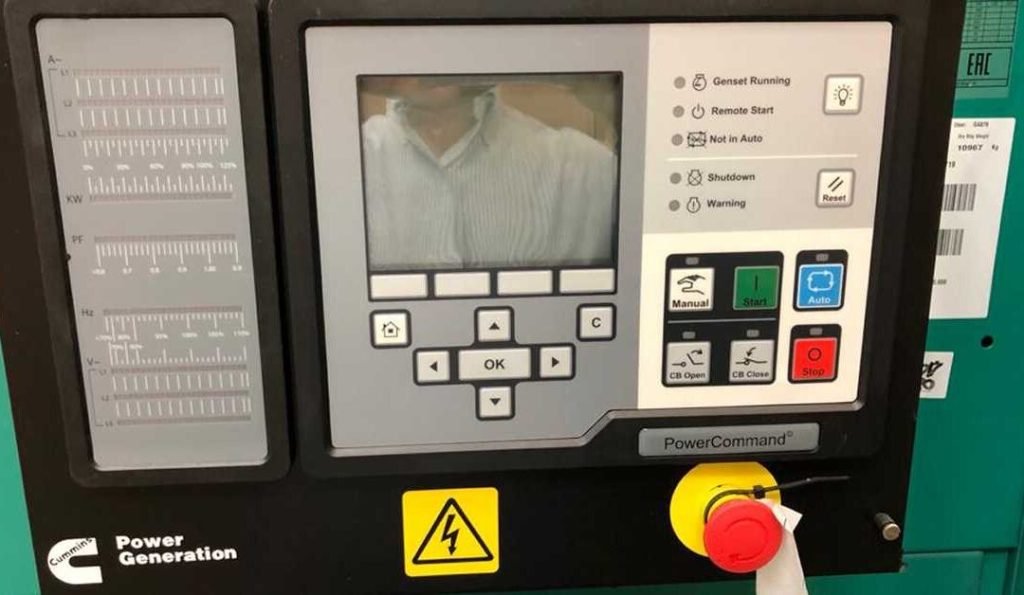
Imagine having the power to keep tabs on your generator’s performance without even being in the same room. Sounds convenient, right?
With the right tools and knowledge, you can monitor your generator load remotely, ensuring that everything runs smoothly while you focus on other important tasks. This not only saves you time and energy but also gives you peace of mind knowing that your power supply is secure.
We’ll delve into simple yet effective ways to monitor your generator load from afar. By the end, you’ll have the confidence and know-how to maintain your generator’s efficiency effortlessly. Ready to unlock this game-changing capability? Let’s get started!
Benefits Of Remote Generator Monitoring
Remote generator monitoringhelps keep track of power use anytime, anywhere. It makes running generators more efficientby sending real-time data. This data shows if the generator works well or needs help.
- Improved Efficiency:Quick alerts help fix problems fast. This keeps the generator running smoothly.
- Reduced Downtime:Early warnings stop big failures. Less downtime means power stays on longer.
- Cost Savings:Catching problems early saves money. Less repair cost and better fuel use.
Overall, remote monitoring saves time and money. It also helps avoid power interruptions. Smart and simple for better generator care.

Credit: www.mgraves.org
Key Components For Remote Monitoring
Sensors and meterstrack the generator’s power output and fuel level. They measure voltage, current, and temperature to keep the generator safe. These devices send real-time data for easy checking.
Communication devicesconnect sensors to your remote system. They use Wi-Fi, cellular, or satellite networks to send data. This ensures you get updates no matter where you are.
Monitoring softwaredisplays all data on one screen. It shows alerts if the generator has issues. The software helps you check load, fuel, and performance anytime.
Setting Up Remote Monitoring Systems
Choosing the right equipmentis key for remote generator monitoring. The devices must be compatiblewith your generator model and support real-time datatransmission. Sensors should measure load, fuel level, and engine status accurately.
Proper installationensures reliable data flow. Place sensors where they can capture accurate readings. Avoid areas with extreme heat or moisture. Secure wiring to prevent damage and signal loss.
| Network Aspect | Best Practice |
|---|---|
| Connectivity | Use stable Wi-Fi or cellular network with good coverage |
| Security | Enable encryption and strong passwords to protect data |
| IP Configuration | Assign static IPs for easier device management |
| Firewall | Allow only necessary ports for monitoring software |
Data Collection And Analysis
Real-time load trackinghelps you see how much power your generator uses at any moment. This data lets you adjust usage to keep the generator from overloading or running inefficiently. Sensors send live data to your device, so you always know the current load.
Historical data managementstores past load information. This helps find patterns and predict future power needs. Reviewing old data can spot times when the generator was stressed or underused.
- Alert systemssend warnings if the load is too high or too low.
- They help prevent damage by telling you to act fast.
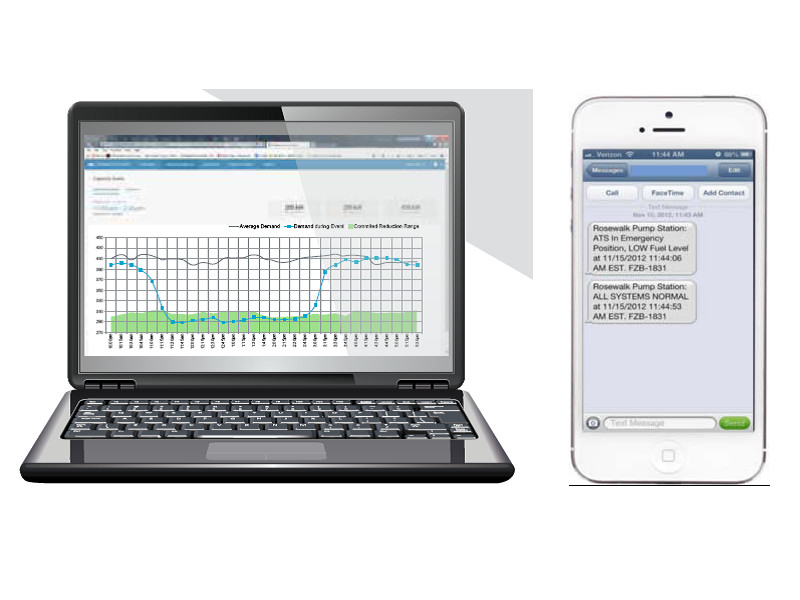
- Alerts can be sent via email, SMS, or app notification.
Optimizing Generator Performance
Balancing the loadacross multiple generators helps avoid overworking one unit. This keeps generators running smoothly and extends their life. Use remote monitoring to check load levels anytime. Switching loads between generators prevents overheating and breakdowns.
Regular checksand maintenance keep generators in good shape. Remote alerts can signal when oil needs changing or parts need fixing. This stops small problems from becoming big, costly repairs. Preventive maintenance saves money and downtime.
Tracking energy usehelps find waste and cut costs. Remote systems show real-time power consumption. Adjusting load or turning off unused equipment lowers fuel use. This benefits the environment and your budget.
Common Challenges And Solutions
Connectivity issuesoften disrupt remote generator load monitoring. Poor internet or weak signal cause data delays. Use strong, stable networks like 4G or Wi-Fi for better connection. Backup communication methods help in case of failure.
Data accuracyis vital for correct load monitoring. Sensors may give wrong readings due to faults or interference. Regular calibration and maintenance keep data reliable. Use software that filters out errors and alerts for unusual values.
Security concernsarise when monitoring remotely. Unauthorized access can lead to data theft or control loss. Use strong passwords and encryption to protect data. Limit access only to trusted users and monitor login activities.
Future Trends In Remote Generator Monitoring
Remote generator load monitoring uses sensors and software to track energy use in real time. This helps spot issues early and keeps power supply steady. Advances in wireless tech and cloud platforms make monitoring easier and more accurate.
Iot Integration
IoT devicesconnect generators to the internet. This allows real-time data sharing. Sensors track temperature, load, and fuel levels. Alerts notify users of issues fast. Remote control becomes easier and more efficient.
Ai And Predictive Analytics
AI toolsanalyze data to predict failures. This reduces downtime and repair costs. Predictive analytics helps plan maintenance before problems start. It makes generator monitoring smarter and more reliable.
Cloud-based Platforms
Cloud systems store generator data securely online. Users access information from any device at any time. Reports and alerts are easy to share. Cloud platforms support scalingfor many generators in different places.
Credit: www.curtispowersolutions.com

Credit: www.mgraves.org
Frequently Asked Questions
What Is Remote Generator Load Monitoring?
Remote generator load monitoring tracks the power output and usage from anywhere. It helps ensure efficient operation and prevents overloads. Users can access real-time data via apps or web platforms, improving maintenance and reducing downtime.
How Does Remote Monitoring Improve Generator Efficiency?
Remote monitoring provides real-time data on load and performance. It helps identify inefficiencies, optimize fuel use, and schedule maintenance timely. This leads to better fuel economy and prolonged generator life, saving costs and improving reliability.
What Equipment Is Needed For Remote Load Monitoring?
You need sensors to measure load, a communication device, and monitoring software. Sensors collect data on power output and usage. Communication devices send this data to the cloud. Software displays and analyzes the information for easy access.
Can Remote Monitoring Prevent Generator Overloads?
Yes, remote monitoring detects load spikes instantly. It sends alerts to operators, allowing immediate action. This prevents damage from overloads and ensures continuous power supply, protecting the generator and connected equipment.
Conclusion
Monitoring your generator load remotely keeps your system safe and efficient. It helps spot problems before they become big issues. You can save time and money by tracking the load from anywhere. Use simple tools and clear data to make smart decisions.
Stay aware of your generator’s performance every day. This way, you ensure steady power and avoid unexpected failures. Remote monitoring makes managing your generator easier and smarter. Keep your equipment running smoothly with these easy steps.