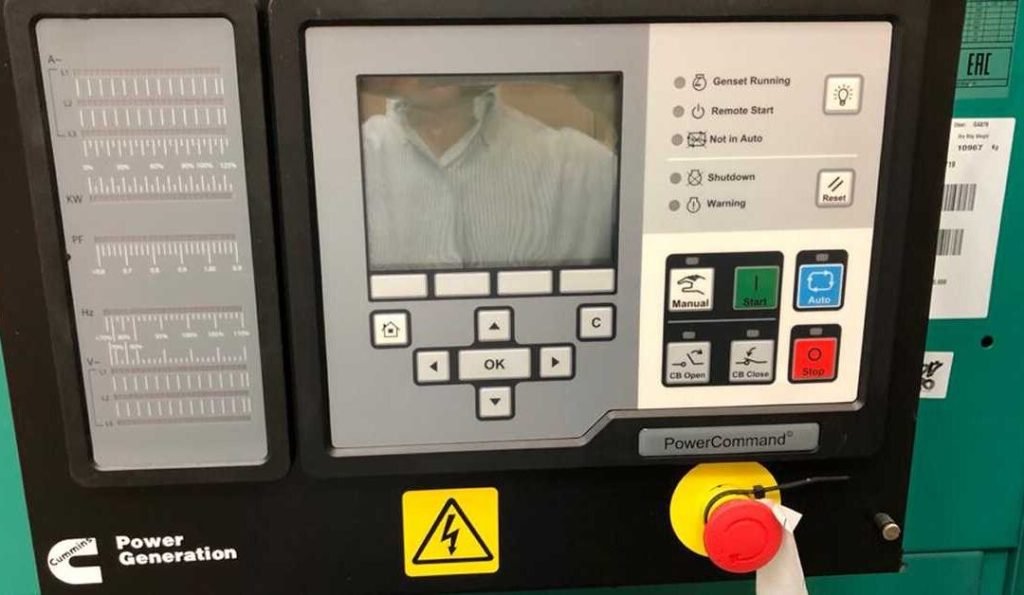
Keeping your generator’s oil at the right level is crucial for its smooth operation and long life. But what if you could check your generator’s oil level without being right next to it?
Imagine saving time, avoiding costly breakdowns, and having peace of mind—all by monitoring your generator oil remotely. You’ll discover simple, effective ways to keep an eye on your generator oil from anywhere. Ready to protect your investment and stay ahead of problems?
Let’s dive in.
Importance Of Monitoring Oil Levels
Monitoring oil levelshelps protect the generator engine from damage. Low oil can cause overheatingand wear. This leads to costly repairsor engine failure.
Keeping oil at the right level ensures the generator runs smoothlyand efficiently. It prevents breakdownsduring power outages. Regular checks extendthe engine’s life and improve performance.
- Detect oil leaks early
- Maintain engine lubrication
- Reduce unexpected downtime
- Save money on repairs
Credit: support.generac.com
Traditional Vs Remote Monitoring
Manual checking of generator oil involves physically inspecting the oil level. This process can be time-consumingand sometimes dangerousif the generator is in a hard-to-reach spot. Oil levels may be missed or checked too late, causing engine damage. Frequent manual checks can also interrupt operations.
Remote monitoring uses sensors to track oil levels automatically. It sends alerts if the oil is low or if there is a leak. This method saves timeand reduces risksby avoiding the need to be physically present.
- Real-time updates:Know oil status anytime.
- Early warnings:Prevent engine damage.
- Cost-effective:Less labor needed for checks.
- Improved safety:No need to access dangerous areas.
Remote Oil Level Monitoring Technologies
Special sensorsmeasure the oil level inside the generator tank. These sensors send data to IoT devices, which collect and process the information. The devices help track oil levels in real time without manual checks.
Wireless transmissionsends oil level data to your phone or computer. Common methods include:
- Wi-Fi:Fast and works well where internet is available.
- Cellular networks:Good for remote places without Wi-Fi.
- LoRa and Zigbee:Low power and long range, ideal for large areas.
This setup alerts you if oil is low, avoiding damage or downtime.

Credit: a-ipower.com
Setting Up Remote Monitoring System
Choosing the right sensors is key for accurate oil level tracking. Sensors like ultrasonicand capacitivetypes work well. Ultrasonic sensors measure distance to the oil surface, giving precise readings. Capacitive sensors detect changes in oil levels using electrical signals.
Devices must be installed near the oil tank for best results. Connect sensors to a data loggerthat sends info remotely. Configure settings to set alertsfor low oil levels or leaks. Make sure the system has a reliable power sourceand network connection.
- Pick sensors that suit your tank size and oil type
- Secure sensors firmly to avoid false readings
- Use wireless or wired communication based on site setup
- Test the system after installation to ensure accuracy
- Set up notifications for easy monitoring from anywhere
Data Management And Alerts
Real-time monitoring platformshelp track generator oil levels easily. These platforms show data instantly on phones or computers. This allows quick action if the oil level drops. Sensors installed in the generator send updates regularly.
Setting up alerts and notificationsis key to avoid problems. Alerts can be set for low oil levels or sudden changes. They come as emails, texts, or app messages. This keeps users informed without checking manually.
| Feature | Description |
|---|---|
| Real-Time Data | Continuous updates on oil level status |
| Custom Alerts | Notifications for low or critical oil levels |
| Multiple Channels | Alerts via SMS, email, or app notifications |
| Remote Access | Monitor oil levels from any location |
Credit: westinghouse.com
Maintenance Tips For Reliable Monitoring
Regular calibration of sensors is key for accurate oil level readings. Sensors may drift over time and give false data. Calibrate them according to the manufacturer’s guideto maintain precision.
Check sensor signals often to spot any irregularities. This helps catch problems early and avoid downtime. Use simple toolsfor calibration to save time and effort.
- Perform calibration at set intervals.
- Document each calibration for records.
- Use clean equipment to avoid sensor damage.
Ensuring network stabilityis vital for remote monitoring. A weak or unstable network causes data loss or delayed alerts. Use a reliable connection with good coverage and backup options.
Test the network regularly to confirm consistent data flow. Employ secure protocols to protect data from interference or hacking. Keep firmware and software updated for best performance.
Cost And Efficiency Benefits
Remote monitoringof generator oil levels helps avoid unexpected stops. It alerts users early about low oil, reducing downtime. Machines run smoothly without sudden breaks.
This monitoring also helps in lowering maintenance costs. Regular checks mean fixing issues before they get big. This saves money on repairs and oil changes.
- Early warnings prevent machine damage
- Less manual checking saves labor costs
- Better oil use means fewer oil changes
- Faster response to problems reduces losses
Common Challenges And Solutions
Sensor failurescan cause wrong oil level readings. Regular sensor checks help catch problems early. Use sensors with self-diagnosisfeatures for automatic alerts. Keep spare sensors ready for quick replacement. Clean sensors often to avoid dirt build-up.
Connectivity issuesdisrupt remote monitoring. Choose reliable network optionslike cellular or Wi-Fi. Use signal boosters in weak areas. Monitor network status continuously to spot problems fast. Backup communication methods ensure data flow during outages.
Frequently Asked Questions
How Can I Monitor Generator Oil Level Remotely?
You can monitor generator oil level remotely using IoT sensors connected to a cloud platform. These sensors send real-time oil data to your phone or computer, allowing timely maintenance and preventing engine damage.
What Devices Are Used For Remote Oil Level Monitoring?
Common devices include ultrasonic sensors, float sensors, and IoT-enabled oil level monitors. These devices transmit data via Wi-Fi, cellular, or Bluetooth to remote monitoring systems for easy access.
Why Is Remote Oil Level Monitoring Important?
Remote monitoring ensures timely oil refills, prevents engine wear, and reduces downtime. It also helps avoid costly repairs by detecting low oil levels early, improving generator reliability and efficiency.
Can I Integrate Oil Level Monitoring With Other Generator Controls?
Yes, many systems integrate oil monitoring with generator control panels. This allows automated alerts, shutdowns, and maintenance scheduling, enhancing overall generator management and safety.
Conclusion
Monitoring generator oil levels remotely ensures smooth operation. It saves time and effort. Regular checks prevent breakdowns. Technology makes it easy. Tools offer real-time updates. This keeps you informed. Stay ahead of potential issues. Remote monitoring increases reliability. Your generator lasts longer.
Peace of mind comes with efficiency. Ensure your generator runs well. Take advantage of modern solutions. A small step for big benefits. Keep your power supply uninterrupted. It’s a smart choice for anyone.