
Imagine the peace of mind that comes with knowing your standby generator is ready to kick in at a moment’s notice. When storms hit or power outages strike, your generator is your safety net.
But how do you ensure it performs flawlessly when you need it most? Monitoring your standby generator’s performance is crucial, and it’s simpler than you might think. In this guide, you’ll discover practical steps to keep your generator running smoothly.
We’ll explore the essential metrics to track, the tools that make monitoring a breeze, and tips to prevent unexpected failures. Dive in to learn how to safeguard your home or business from power interruptions and ensure your standby generator delivers when it counts.
Key Performance Metrics
Fuel efficiencyshows how well your generator uses fuel. Tracking fuel use helps save money and reduce waste. A generator running smoothly uses less fuel for the power it makes.
Output voltage and frequencymust stay steady. Voltage tells the power level, while frequency shows how fast the power cycles. Fluctuations can harm connected devices or cause failure.
Engine temperatureshould stay in a safe range. Too hot or too cold can damage parts. Regular checks prevent overheating and help the engine last longer.
Oil pressure levelsare vital for engine health. Proper pressure means oil flows well to protect engine parts. Low pressure signals leaks or worn parts, needing quick fixes.

Credit: houstonequipmentrepair.com
Routine Inspection Procedures
Visual checkshelp spot damage or leaks early. Look for cracks, rust, or loose parts on the generator. Check for dirt or debris blocking air vents or cooling fans. Clear any obstacles to keep the unit cool and safe.
Battery conditionis key for starting the generator. Check battery terminals for corrosion. Clean terminals if needed. Measure battery voltage and replace if too low. Ensure cables are tight and not frayed.
The exhaust systemmust be free of blockages. Look for holes, rust, or loose connections. Make sure exhaust gases flow away safely. Listen for unusual noises that might mean leaks.
| Control Panel Indicators | What to Check |
|---|---|
| Warning Lights | Ensure no warning lights are on. They show faults or low oil. |
| Hour Meter | Track total run time for maintenance schedules. |
| Fuel Level | Confirm sufficient fuel for standby use. |
| Voltage and Frequency | Verify output matches required specifications. |
Using Monitoring Tools
Manual gaugesshow basic data like oil pressure and fuel level. They are simple and easy to read. These gauges need regular checks by people. Mistakes can happen if readings are missed.
Digital monitoring systemsprovide detailed information. They track engine temperature, voltage, and running hours. Alerts can be set to warn about problems early. These systems help keep the generator in good shape.
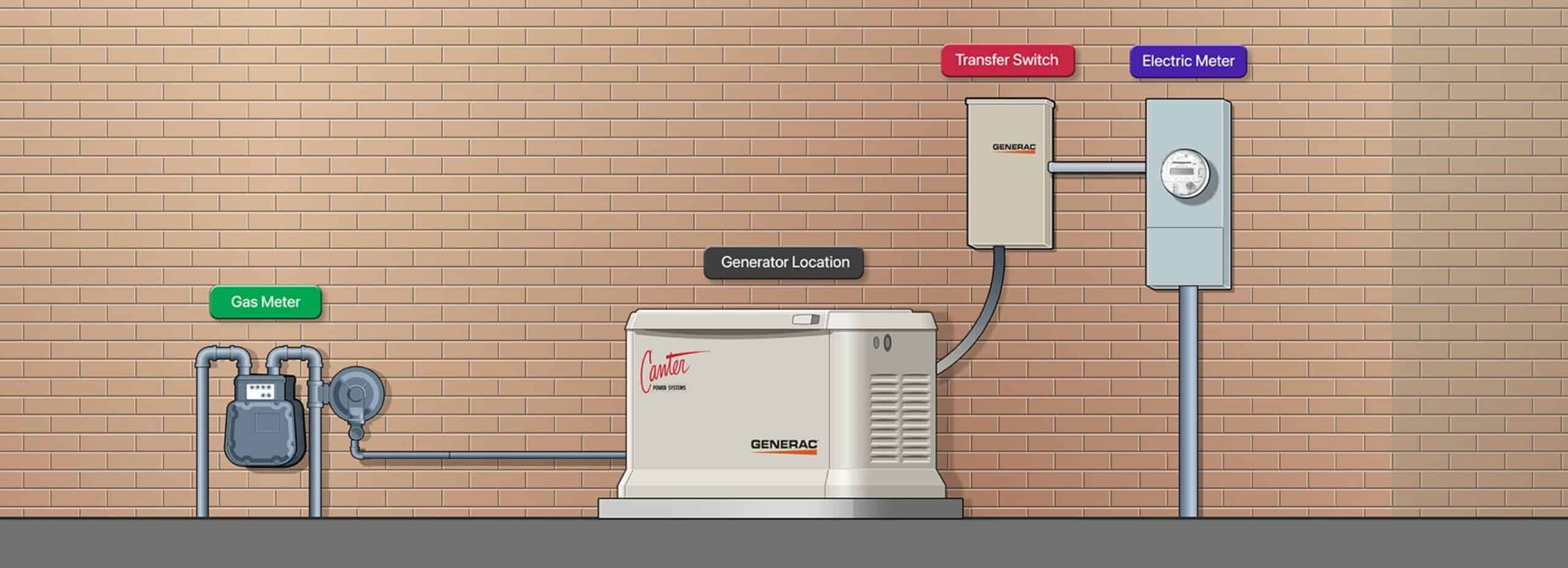
Remote monitoring optionsallow checking generator status from anywhere. Data is sent to computers or phones. This saves time and helps fix issues fast. It is good for places where the generator is far away.
Credit: canterpowersystems.com
Scheduled Maintenance Tips
Changing oil and filtersregularly keeps the generator running smoothly. Dirty oil can cause engine damageand reduce performance. Use the right oil type and filter for your model. Follow the manufacturer’s schedule for changes.
Cooling system maintenanceprevents overheating. Check coolant levels often and top up with the correct mix. Inspect hoses and radiator for leaks or damage. A clean cooling system helps the generator work longer.
Load testingensures the generator can handle the power demand. Run the generator under load periodically to check its performance. This helps find problems early, avoiding failures during power outages.
Cleaning and lubricationprotect moving parts from wear. Remove dust, dirt, and debris from the generator. Lubricate bearings and other parts as recommended to reduce friction and extend life.
Troubleshooting Common Issues
Starting problemsoften happen due to a weak battery or fuel issues. Check the battery charge and fuel level first. Dirty fuel or clogged filters can block fuel flow. Clean or replace filters regularly.
Overheatingcan damage the generator. Make sure the cooling system works well. Check the coolant level and radiator for leaks. Keep the generator clean and free of dust.
Unstable outputmay cause damage to devices. Test the voltage and frequency output with a meter. Loose wires or bad connections can cause fluctuations. Tighten all connections and inspect cables.
Unusual noisesoften warn of mechanical problems. Listen for knocking, grinding, or rattling sounds. These may mean worn parts or loose components. Regular maintenance and timely repairs can prevent big issues.

Credit: americasgenerators.com
Record Keeping And Reporting
Keeping clear records helps track generator performance and detect issues early. Regular reports show runtime, fuel use, and maintenance needs for better monitoring. Consistent documentation supports timely repairs and reliable operation.
Logbook Entries
Logbook entriesare essential for tracking generator usage and issues. Record each run time, load level, and fuel consumption. Note any unusual sounds or alarms during operation. Keep entries clear and easy to read for quick review by maintenance staff.
Performance Trends
Track performance trendsby comparing data over days or weeks. Watch for drops in power output or increases in fuel use. Changes may signal a need for repairs or adjustments. This helps prevent unexpected failures.
Maintenance History
Maintain a detailed maintenance history. Include dates, parts replaced, and services performed. This record shows the generator’s health and helps plan future care. It also aids in warranty claims and resale value.
Frequently Asked Questions
How Often Should I Check Standby Generator Performance?
You should check your standby generator monthly. Regular checks ensure it runs smoothly and prevents unexpected failures. Frequent monitoring helps spot issues early and keeps the generator ready for emergencies.
What Key Metrics Indicate Generator Performance?
Monitor voltage, frequency, fuel level, and engine temperature. These metrics show if the generator runs efficiently and safely. Tracking these values helps maintain optimal performance and avoid costly repairs.
Can Remote Monitoring Improve Generator Maintenance?
Yes, remote monitoring allows real-time performance tracking from anywhere. It alerts you instantly about faults or maintenance needs. This proactive approach reduces downtime and extends generator lifespan.
How Do I Interpret Generator Load Capacity Data?
Load capacity data shows how much power your generator supplies. Staying within recommended limits prevents overload and damage. Understanding this data helps optimize generator use and efficiency.
Conclusion
Monitoring your standby generator helps keep it ready for use. Regular checks catch issues early and save repair costs. Track fuel levels, oil, and battery health often. Use simple tools and follow the manufacturer’s guide. Good monitoring ensures power when you need it most.
Stay consistent and keep your generator reliable. Small efforts now prevent big problems later. Take control of your generator’s performance today.