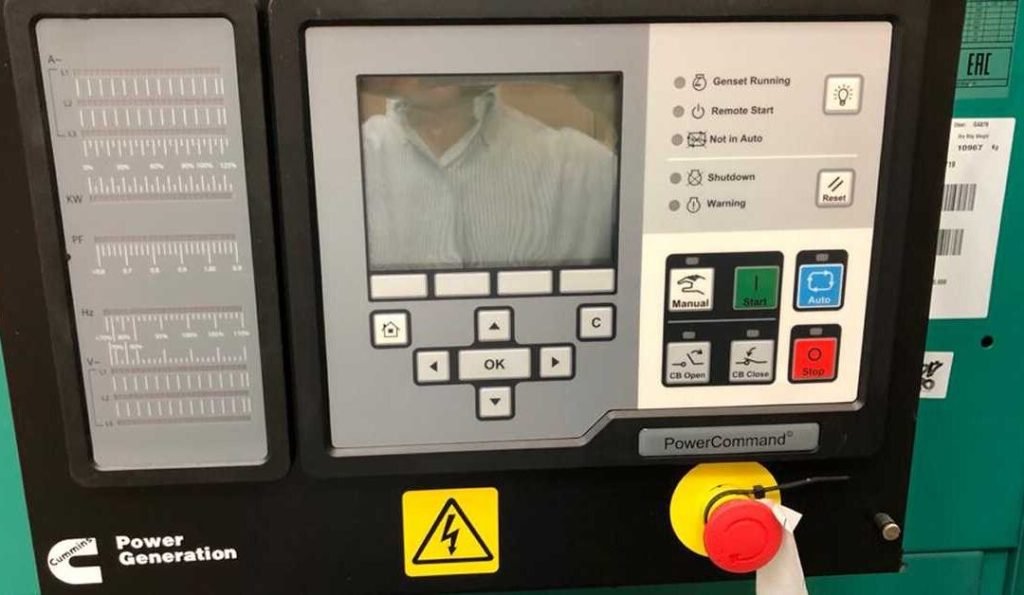
If you rely on a marine diesel generator, you know how crucial it is to keep it running smoothly. But what if you could check its performance anytime, anywhere, without being physically present?
Monitoring your marine diesel generator remotely gives you that power. It helps you avoid unexpected breakdowns, save money on repairs, and ensure your vessel stays powered when you need it most. You’ll discover simple, effective ways to set up remote monitoring for your generator.
Ready to take control and protect your investment? Keep reading to learn how.
Benefits Of Remote Monitoring
Remote monitoringhelps keep your marine diesel generator running smoothly. It tracks performance in real-time, making efficiency better. This means less fuel waste and more power when needed.
It can spot problems early. Detecting faults before they get serious saves a lot of trouble. Small issues get fixed fast, avoiding big repairs or breakdowns.
Cost savings come from fewer repairs and less downtime. Remote checks reduce the need for constant on-site visits. This cuts travel and labor expenses.
Safety improves by watching the generator constantly. Alerts notify staff about any risk or unusual condition. This protects people and equipment from harm.

Credit: www.auto-maskin.com
Key Components Of Remote Monitoring Systems
Sensors and Data Acquisitiongather key information from the diesel generator. They track temperature, pressure, fuel level, and engine speed. These sensors send real-time data to the control units. Accurate data helps detect issues early and maintain smooth operation.
Communication Technologiesconnect sensors with control units and user interfaces. Common options include Wi-Fi, cellular networks, and satellite links. Reliable communication ensures data flows without delay. This allows quick response to any generator problems.
Control Unitsprocess data received from sensors. They analyze information to identify faults or abnormal behavior. These units can trigger alarms or automatic shutdowns to protect the generator. Control units are the system’s brain, making decisions based on data.
User Interfacesdisplay generator status and alerts to operators. They can be web dashboards, mobile apps, or control panels. Easy-to-read interfaces help users monitor performance and act fast. Users can also adjust settings remotely through these interfaces.
Selecting The Right Monitoring Technology
Choosing between wiredand wireless solutionsdepends on your setup and needs. Wired systems offer stableand secure connections. They are less prone to interference but can be difficult to installon moving vessels.
Wireless solutions provide flexibilityand easy installation. They work well where cables are hard to run. However, they may face signal issuesdue to metal structures or weather.
| Data Transmission Method | Advantages | Disadvantages |
|---|---|---|
| Wired (Ethernet, Serial) | Reliable, stable, secure | Installation complexity, limited flexibility |
| Wireless (Wi-Fi, Cellular, Satellite) | Easy setup, flexible, remote access | Signal interference, power dependency |
Compatibility with marine diesel generatorsis key. Check if your generator supports standard communication protocolslike Modbus or CAN bus. This ensures smooth data exchange and accurate monitoring.
Installation And Setup Process
Sensor placementis key for accurate monitoring. Place sensors near the engine and fuel lines. Avoid areas with extreme heat or moisture. Use waterproof sensors to protect against water damage. Proper placement helps capture real-time data on temperature, pressure, and vibration.
Network configurationconnects the generator to the remote system. Use a stable Wi-Fi or wired Ethernet connection. Assign a fixed IP address to avoid connection issues. Secure the network with passwords and firewalls to protect data. Test the connection to ensure smooth data flow.
System calibrationensures sensor readings are accurate. Calibrate sensors according to manufacturer instructions. Check readings against manual measurements to verify correctness. Regular calibration keeps the system reliable. Keep records of calibration dates for maintenance.
Data Analysis And Interpretation
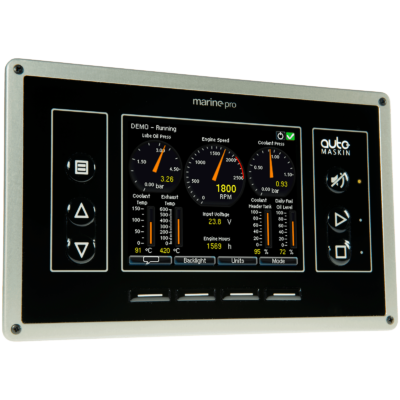
Real-time monitoringtracks key data like temperature, pressure, and fuel levels. It helps spot problems early and keeps the generator running smoothly. Sensors send data to a control center for instant checks.
Trend analysisstudies data over days or weeks. It shows patterns and helps predict when parts may fail. This way, maintenance can happen before big issues arise. It saves time and money.
Alarm managementalerts operators when values go outside safe limits. Alarms can be sent by text or email. Quick action reduces damage and downtime. Settings can be customized for different situations.
Credit: www.auto-maskin.com
Maintaining Remote Monitoring Systems
Routine checks keep the remote monitoring system working well. Inspect sensors and cables often. Check for loose connections or damage. Test alarms to ensure they trigger correctly. Clean equipment to avoid dirt build-up. Keep logs of all inspections and findings.
Software updates are key to system security and performance. Install updates as soon as they are available. Updates fix bugs and improve features. Back up data before updating to prevent loss. Use official sources only to avoid risks.
Troubleshooting common issues saves time and prevents failures. Restart the system if it stops responding. Check network settings if data is missing. Replace faulty sensors quickly. Consult the user manual for error codes. Contact support if problems persist.
Case Studies Of Successful Remote Monitoring
Successful remote monitoring of marine diesel generators shows how sensors and software track engine health in real-time. Data alerts help crews fix issues quickly, reducing downtime and costs effectively. Many cases prove remote monitoring boosts safety and efficiency on vessels.
Commercial Shipping Applications
Remote monitoringhelps ships track diesel generators’ health 24/7. It sends alerts on fuel levelsand engine faults. This stops problems before they happen and saves costly repairs. Crew can focus on other tasks.
Offshore Platforms
Platforms use remote systems to watch generators from shore. This improves safetyby detecting faults early. It reduces the need for on-site visits and lowers downtime. Real-time data helps engineers plan maintenance better.
Recreational Vessels
Boaters use remote monitoring to ensure generators work well on trips. It alerts them to battery issuesor low oil pressure. This gives peace of mind and prevents breakdowns far from help.

Credit: www.auto-maskin.com
Future Trends In Marine Diesel Generator Monitoring
Integration with IoTallows marine diesel generators to connect to the internet. This connection helps collect and send real-time data to remote locations. Operators can check generator status anytime and anywhere. It also helps in faster problem detection and response.
AI and Predictive Maintenanceuse smart algorithms to predict generator issues before they happen. This reduces downtime and costly repairs. AI learns from past data to improve maintenance schedules. It helps keep generators running smoothly and safely.
Enhanced Cybersecurity Measuresprotect marine generators from hacking and data theft. Stronger security keeps control systems safe from unauthorized access. Encryption and firewalls are common tools used to secure data and devices.
Frequently Asked Questions
How Can I Monitor A Marine Diesel Generator Remotely?
You can monitor a marine diesel generator remotely using IoT sensors and a secure online platform. These tools track performance, fuel levels, and maintenance alerts in real-time, improving operational efficiency and preventing unexpected failures.
What Are The Key Parameters For Remote Monitoring?
Key parameters include engine temperature, oil pressure, fuel consumption, and battery status. Monitoring these ensures optimal performance and early detection of potential issues, reducing downtime and maintenance costs.
Which Technologies Support Remote Diesel Generator Monitoring?
Technologies like IoT devices, SCADA systems, and cloud-based software support remote monitoring. They provide real-time data access, alerts, and analytics for better decision-making on marine vessels.
Is Remote Monitoring Cost-effective For Marine Generators?
Yes, remote monitoring reduces manual inspections and unplanned repairs. It helps optimize fuel usage and maintenance schedules, ultimately saving money and enhancing generator lifespan.
Conclusion
Remote monitoring of marine diesel generators boosts efficiency and safety. It helps detect issues early, saving time and repair costs. Real-time data ensures smooth operation and reduces unexpected downtime. This technology simplifies maintenance, making it more manageable. It provides crucial insights for better performance.
Adopting remote monitoring systems enhances reliability at sea. A smart choice for modern marine operations. Embrace this tech to keep your generators in top shape. Stay ahead with seamless monitoring solutions. Ensure a secure and efficient voyage every time.