
Are you planning to relocate your standby generator but aren’t sure where to start? You’re not alone.
Moving such a crucial piece of equipment can be daunting. Yet, ensuring your generator is correctly moved is vital for its continued efficiency and longevity. Imagine the peace of mind you’ll feel knowing your backup power source is securely and properly set up in its new location.
We’ll guide you through the essential steps to move your standby generator safely and efficiently. By the end, you’ll have all the confidence and know-how you need to tackle this task head-on. Stay with us to discover the secrets that will make this process a breeze.

Credit: www.angi.com
Preparing For The Move
Check the manufacturer’s guidelinesbefore moving the generator. These guidelines show how to handle it safely. Follow all instructions to avoid damage.
Gather the necessary toolslike wrenches, screwdrivers, and lifting straps. Having the right tools makes the move easier and safer.
Inspect the generator carefully. Look for any leaks, loose parts, or damage. Fix these issues before moving to prevent problems later.
Credit: shgeneratorset.com
Safety Precautions
Turn off the power supplybefore moving the standby generator. This stops electricity flow and prevents shocks. Ensure the generator is fully disconnected from all power sources.
Allow cooling timeafter turning it off. The generator parts can be very hot. Wait at least 30 minutes or until it feels cool to touch.
Wear protective gearlike gloves and safety glasses. This protects hands and eyes from dirt, sharp edges, and sparks. Proper clothing helps avoid injuries during the move.
Disconnecting The Generator
First, shut off the fuel supplyto stop the generator safely. This prevents any leaks or accidents during moving.
Next, carefully disconnect all electrical connections. Make sure power is off to avoid shocks or damage. Label wires to help with reconnecting later.
Finally, remove the mounting hardwarethat holds the generator in place. Use proper tools and keep bolts safe for reuse.
Transporting The Generator
Use a heavy-duty dollyor a forkliftto move the generator safely. Make sure the equipment can handle the generator’s weightand size. This helps avoid damage and injury.
Secure the generator by using strapsor chains. Fasten it tightly to prevent shiftingduring transport. This keeps it stable and protected.
Choose a route that is flatand free of obstacles. Avoid steep slopes and rough roads. This lowers the risk of tipping or damage.
Reinstalling The Generator
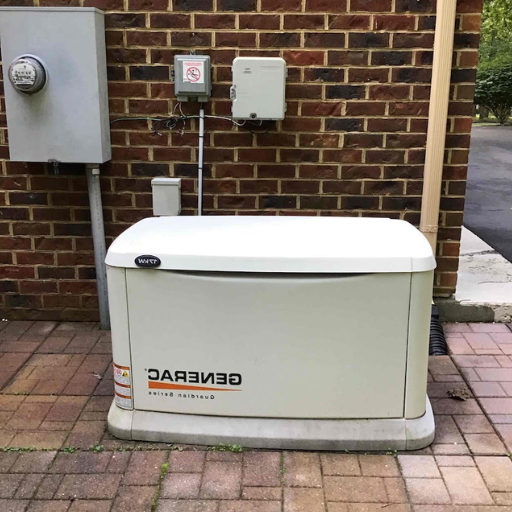
Place the generator on a flat, stable surface. Make sure it is near the house for easy connection. Leave enough space around it for airflow and maintenance.
Connect the fuel line securely. Check for leaks to avoid hazards. Attach the power cables firmly to the correct terminals. Use proper tools to tighten all connections.
- Start the generator and listen for smooth operation.
- Check that the fuel is flowing correctly.
- Test the power output to ensure proper function.
- Observe any unusual noises or vibrations.

Credit: blog.norwall.com
Maintenance Tips After Moving
Check the generator carefully for any fuel or oil leaks. Leaks can cause damageor fire risks. Use a flashlight to see hard spots.
Inspect all electrical partslike wires and connections. Make sure nothing is looseor broken. Tighten screws and replace damaged wires if needed.
Do routine maintenance to keep the generator running well. Change the oil and clean the air filter. Test the battery and run the generator for a short time.
Frequently Asked Questions
How Do I Safely Disconnect A Standby Generator?
Always turn off the generator and unplug all connections before moving. Follow the manufacturer’s safety guidelines. Use proper lifting equipment to avoid injury or damage.
What Tools Are Needed To Move A Standby Generator?
You will need a wrench, screwdriver, lifting straps, and possibly a dolly or forklift. Having the right tools ensures safe, efficient moving.
Can I Move A Standby Generator Myself?
Moving a standby generator alone is risky due to weight and complexity. It’s best to hire professionals to ensure safety and proper handling.
How Do I Prepare The Generator For Relocation?
Drain the fuel and oil, disconnect electrical connections, and secure all moving parts. This prevents leaks and damage during transport.
Conclusion
Moving a standby generator takes careful planning and safety. Always turn off the generator and disconnect fuel sources first. Use the right tools and get help to lift heavy parts. Check the new location for stability and ventilation. Follow the steps one by one to avoid damage or injury.
Taking your time makes the process easier and safer. A properly moved generator will work well when you need it most. Keep these tips in mind for a smooth and safe move.