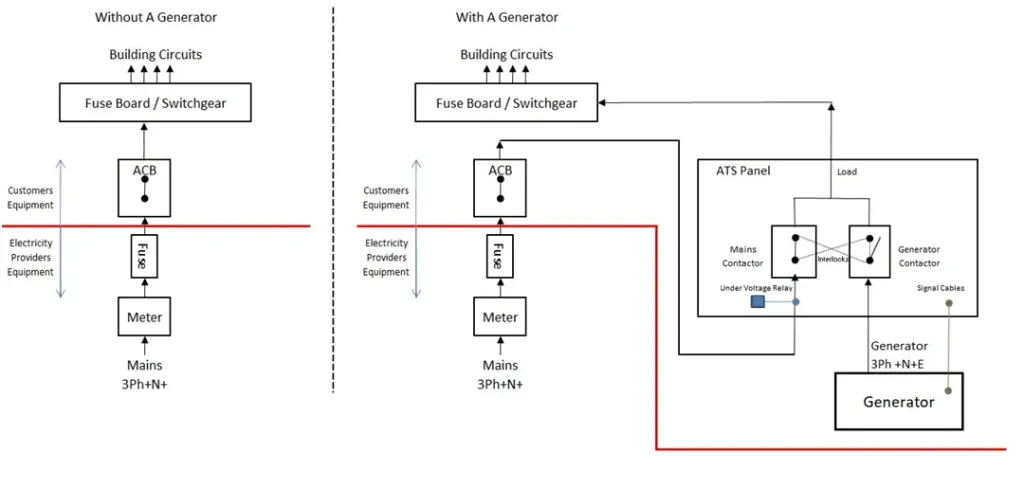
Imagine the power goes out unexpectedly, and you’re left in the dark, worrying about the safety of your home and loved ones. That’s where a generator with an Automatic Transfer Switch (ATS) comes in.
But how do you ensure that your generator and ATS work seamlessly with your home system? The answer lies in understanding the pairing process, and it’s not as complicated as you might think. By mastering this connection, you can enjoy peace of mind knowing that your home will stay powered during outages.
In this guide, we’ll walk you through the steps to pair your generator ATS with your home system, making sure you’re prepared for any power interruption. Let’s dive in and get your home ready for anything.
Generator Ats Basics
An Automatic Transfer Switch (ATS)is a device that shifts power supply from the main source to a generator. It helps keep your home powered during outages without manual work. The ATS senses power loss and switches power automatically.
There are mainly two types of ATS:
- Open Transition ATS:Switches power with a brief break between sources.
- Closed Transition ATS:Switches power without breaking the connection, preventing power loss.
Using an ATS offers several benefits:
- Automatic Power Switching:No need to manually change power sources.
- Safety:Prevents backfeed, protecting utility workers and equipment.
- Convenience:Keeps essential appliances running during outages.
- Reliability:Ensures quick power restoration.
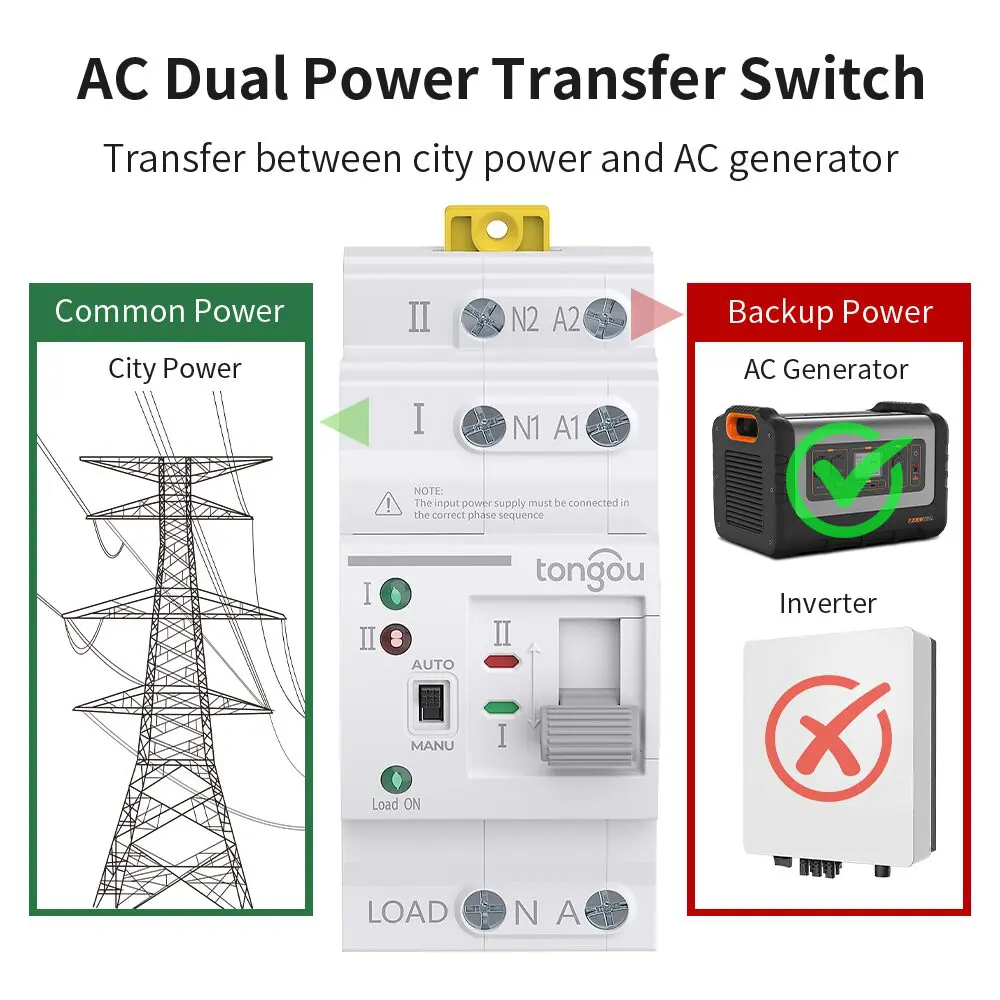
Credit: www.tongou.com
Home Power System Components
The Main Electrical Panelcontrols the flow of electricity in a home. It connects power from the utility and the generator. This panel has circuit breakers that protect wires from damage.
Generator Typesvary by fuel and power output. Common types include:
- Portable generators: Easy to move, good for short power outages.
- Standby generators: Automatically start during power loss, connected to the home system.
- Inverter generators: Provide clean power, suitable for sensitive electronics.
Safety Deviceskeep the home safe during power changes. Key devices include:
- Automatic Transfer Switch (ATS): Switches power source safely between utility and generator.
- Surge protectors: Guard against power spikes.
- Ground Fault Circuit Interrupters (GFCIs): Prevent electrical shocks.
Preparing For Ats Installation
Assessing power needs is the first step in preparing for ATS installation. Check the total wattage of your home appliances. This helps to choose an ATS that can handle your home’s power demand. Look at both the running and starting watts of devices.
Selecting a compatible ATS is crucial. Match the ATS voltage and amperage rating with your generator and home system. Choose an ATS with the right number of poles and transfer type. Confirm it supports your power source, whether single-phase or three-phase.
Gathering tools and materials before starting saves time. Common tools include screwdrivers, wire strippers, voltage testers, and pliers. Have proper safety gear like gloves and goggles. Make sure you have all wires, connectors, and mounting hardware ready.
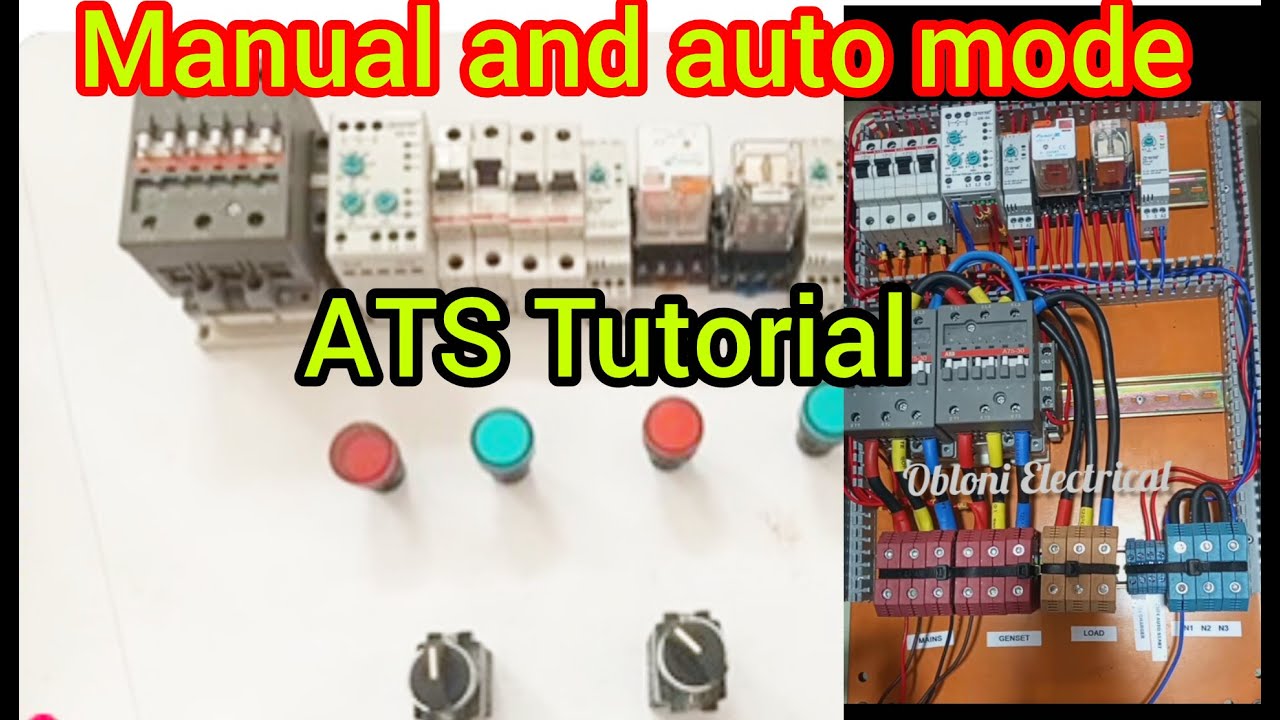
Credit: m.youtube.com
Step-by-step Pairing Process
Turn off the main powerto avoid any accidents. This keeps you safe during the process.
Connect the ATS wiringto the generator’s output terminals carefully. Use the correct gauge wires as per the manual.
Link the ATS to your home’s electrical panel. Make sure connections are tight and secure to prevent faults.
- Switch the main power back on.
- Start the generator to check if ATS switches power smoothly.
- Monitor for any unusual noises or delays in switching.
- Test multiple times to confirm reliability.
Common Installation Challenges
Wiring mistakesare common during ATS installation. Wrong connections can cause system failureor damage. Always match wire colorsand follow the manualcarefully. Avoid loose wires as they may lead to short circuits.
Compatibility issues arise if the ATSand generatorare from different brands or models. Check voltage, amperage, and phaseratings before buying. Incompatible parts can cause malfunctionor damage.
Troubleshooting tips include:
- Check all connectionstwice for accuracy.
- Test the generatorand ATS separately first.
- Listen for unusual noiseswhen switching.
- Use a multimeterto verify voltage and current.
- Consult the user manualfor error codes.
Maintenance And Safety Tips
Regular inspection helps keep your generator ATS working well. Check for any loose wiresor damage. Clean dust and debris from the system. Test the transfer switch to ensure it switches power smoothly.
Safe operation means following manufacturer rules. Never touch the ATS with wet hands. Keep the area around the generator clear and dry. Use the right fuel and store it safely. Avoid overloading the generator to prevent damage.
Call a professional if you notice strange noises, burning smells, or if the ATS fails to switch power. Also, seek help for complex repairsor if you are unsure about safety. Regular expert check-ups can prevent big problems.

Credit: m.youtube.com
Frequently Asked Questions
What Is An Ats In A Generator System?
An ATS, or Automatic Transfer Switch, automatically switches power between the generator and home system. It ensures seamless electricity supply during outages by detecting power loss and activating the generator.
How To Connect Ats To A Home Electrical Panel?
To connect ATS to your home panel, turn off main power first. Use proper wiring and follow manufacturer instructions for safe and effective installation.
Can I Pair Any Generator Ats With My Home System?
Not all ATS units are compatible with every home system. Check voltage, amperage, and generator specifications before pairing to ensure safe operation.
Why Is Ats Pairing Important For Home Backup Power?
Proper ATS pairing guarantees automatic power transfer during outages. It prevents manual intervention, protects appliances, and ensures continuous power supply.
Conclusion
Pairing a generator ATS with your home system keeps power steady. It helps switch power automatically during outages. This setup protects your devices and prevents damage. Installation needs care and following safety rules. Regular checks ensure your system works well.
Stay prepared for power cuts with the right ATS setup. Your home stays safe and comfortable without interruption. Simple steps bring peace of mind every day.