
Are you ready to ensure your generator is in top-notch condition before you hit that start button? Performing pre-start maintenance is crucial, not just for longevity but also for your peace of mind.
Imagine the frustration of needing backup power during an outage, only to find your generator isn’t working. By following a simple checklist of maintenance tasks, you can avoid this scenario and keep everything running smoothly. You’ll discover easy-to-follow steps that can save you from costly repairs and unexpected downtime.
Get ready to empower yourself with the knowledge to keep your generator reliable and efficient. Let’s dive into the details and make sure your generator is always ready when you need it!
Credit: pleavinpower.co.uk
Importance Of Pre-start Checks
Pre-start checks are essentialfor safe and smooth generator operation. They help find problems early, avoiding big damage or failure. Regular checks keep the generator reliableand ready to work.
Common checks include:
- Checking fuel levelsto ensure enough supply.
- Inspecting oilfor proper level and quality.
- Examining coolantto prevent overheating.
- Looking for leaksin pipes and connections.
- Testing batteriesto ensure good charge.
Skipping pre-start checks risks breakdownsand costly repairs. A simple inspection can save time and money.
Credit: woodstockpower.com
Visual Inspection
Check the generator for fuel or oil leaks. Leaks can cause fire hazardsor damage. Look for cracks or dentson the body and pipes. Any damage must be fixed before use.
Fuel and oil levels must be at the recommended amount. Low levels can cause engine failure. Always refill with the correct fuel and oiltypes.
Battery health is key for a smooth start. Check for corrosionon terminals and clean if needed. Ensure the battery is fully charged. Replace old or weak batteries to avoid starting problems.
Fluid Levels And Quality
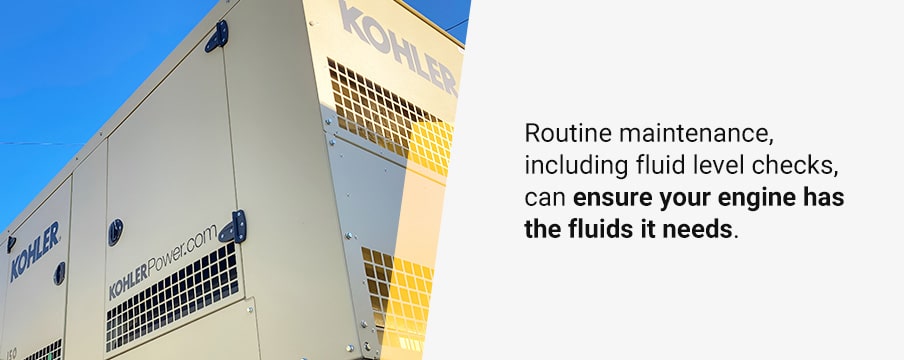
Check coolant levelsusing the dipstick or reservoir marks. Coolant should be clear and at the right level. Low coolant causes engine overheating and damage. Add coolant if levels are low, but do not overfill.
Oil must be clean and smooth. Dark, gritty oil means it needs changing. Check oil level with the dipstick. Top up oil if it is below the minimum mark. Proper oil keeps the engine running smoothly.
Fuel must be free from dirt and water. Dirty fuel can clog the system and cause failure. Use clean containers to store fuel. Drain any water or sediment from the fuel tank. Always use fresh fuel for best performance.
Electrical System Testing
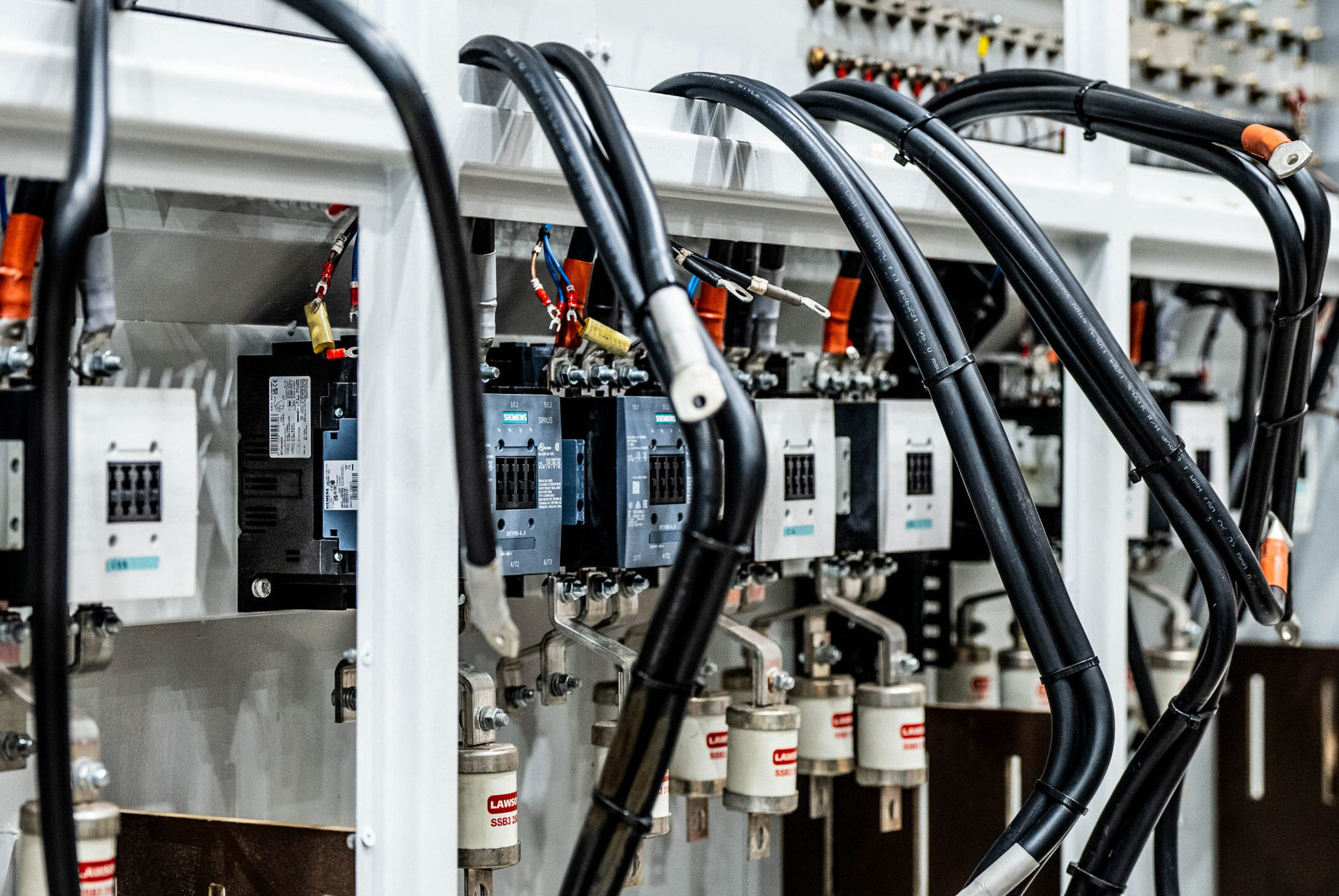
Check all wiring and connectionsfor any signs of damage or wear. Loose or frayed wires can cause failures. Make sure connections are tight and clean to ensure proper current flow.
Test the battery voltageusing a voltmeter. A healthy battery should show a voltage between 12.4 and 12.7 volts. Low voltage indicates the battery might need charging or replacement.
| Control Panel Indicator | What to Check | Normal Status |
|---|---|---|
| Power Light | Confirm it is on and steady | Steady green light |
| Warning Lights | Look for any flashing or red lights | No lights or steady off |
| Display Screen | Check for error messages | No errors displayed |
Mechanical Component Checks
Check the beltsand hosesfor cracks or wear. Replace any that look damaged or loose. Tight belts keep the generator running smoothly. Loose or broken belts can cause failure.
Inspect the air filters. Dirty filters block airflow and reduce power. Clean or replace filters if they look clogged. Good airflow helps the engine breathe better.
Look over the exhaust systemfor leaks or damage. Make sure pipes are not blocked or broken. A clear exhaust helps remove gases safely and keeps the generator working well.
Lubrication And Tightening
Lubricating moving partskeeps the generator running smoothly. Use the correct oil or grease for each part. Focus on bearings, gears, and joints. Too little lubrication causes wear. Too much can attract dirt and cause damage.
Tightening bolts and fastenersprevents loose parts from causing problems. Check all bolts, nuts, and screws. Use a torque wrench for the right tightness. Loose fasteners can lead to vibrations or parts falling off. Tight fasteners keep everything secure and safe.
Starting Procedure
Always follow the manufacturer’s guidelinesto start the generator safely. These instructions ensure proper handling and avoid damage.
Check all controls and settings before turning on the generator. Make sure fuel and oil levels are adequate. This helps the generator run smoothly.
During start, monitor the generator’s performance. Watch for steady engine speed and stable voltage output. These signs show the generator is working well.
Listen carefully for any unusual noises. Strange sounds like knocking or grinding can mean a problem. Stop the generator and inspect it if you hear anything odd.
Post-start Inspection
Check the generator carefully for any leaksor unusual vibrations. Leaks can cause damage and vibrations may mean loose parts. Both issues need quick attention.
Look at all gaugesand alarms. Make sure the pressure, temperature, and fuel levels are normal. Alarms should not be sounding. These show the machine’s health.
Keep a record of operational datalike running hours, fuel use, and load. This helps track performance and find problems early. Write down all readings clearly for future checks.
Scheduling Regular Maintenance
Maintenance logshelp track all work done on the generator. They show dates, tasks, and any issues found. These logs make it easy to see when the next check is due. Keep logs clear and simple for quick reviews.
Periodic detailed inspections catch problems early. Check fuel levels, oil, and battery health. Look for leaks, loose parts, or worn cables. Write down every finding. Regular checks help keep the generator safe and ready.
| Task | Frequency | Notes |
|---|---|---|
| Fuel and Oil Check | Monthly | Refill or replace if needed |
| Battery Inspection | Every 3 months | Clean terminals and test voltage |
| Full System Test | Every 6 months | Run generator under load |

Credit: outbax.com.au
Frequently Asked Questions
What Is Generator Pre-start Maintenance?
Generator pre-start maintenance involves inspecting key components before operation. It ensures safety, reliability, and optimal performance. Tasks include checking fuel, oil levels, battery, and electrical connections. This prevents unexpected failures and extends the generator’s lifespan.
How Often Should Pre-start Maintenance Be Done?
Pre-start maintenance should be performed before each use or weekly for standby generators. Regular checks help identify issues early. This practice keeps the generator ready for emergencies and prevents costly repairs.
What Are Common Pre-start Maintenance Tasks?
Common tasks include inspecting fuel and oil levels, checking battery health, testing coolant levels, and examining electrical connections. Cleaning air filters and inspecting belts are also essential. These steps ensure the generator operates efficiently and safely.
Why Is Checking The Battery Important Before Starting?
Battery checks ensure reliable starting power for the generator. A weak or dead battery can prevent the generator from starting. Regular inspection and cleaning of terminals help maintain optimal battery performance and extend its life.
Conclusion
Performing generator pre-start maintenance keeps your machine ready and reliable. Check fuel, oil, and battery levels before every use. Clean filters and inspect parts for damage or wear. Regular care helps avoid breakdowns and costly repairs. Stay safe by following the correct steps each time.
A well-maintained generator works efficiently when you need it most. Simple actions today prevent big problems tomorrow. Trust your generator to run smoothly with these easy checks.