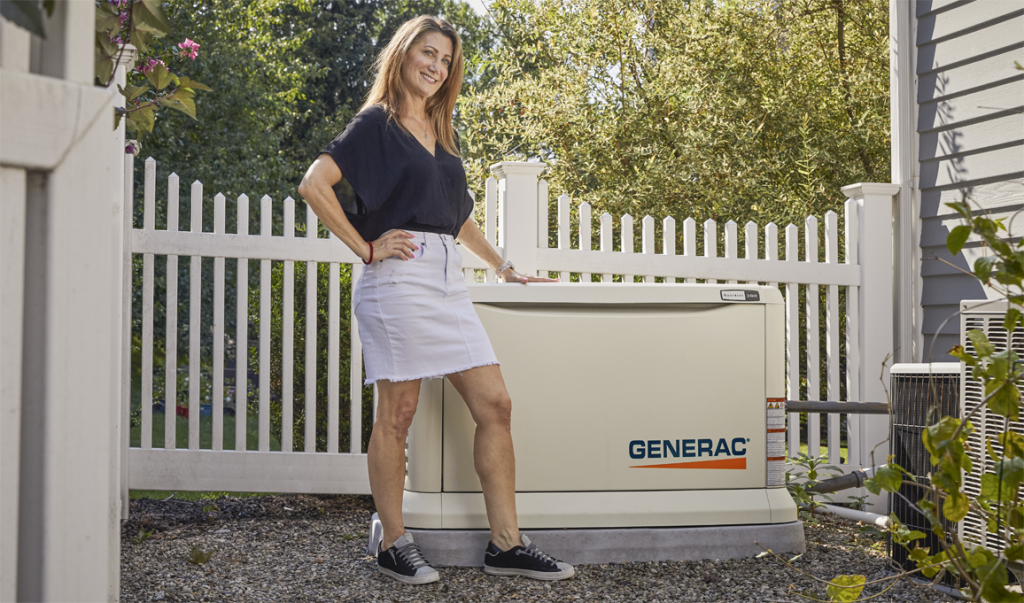
Are you tired of worrying about power outages disrupting your life? Imagine the peace of mind that comes with knowing your home will stay powered, no matter the weather.
Picking the right home standby generator can make all the difference in maintaining comfort and security during unexpected blackouts. This decision might seem overwhelming, but it doesn’t have to be. With so many options available, how do you choose the best one for your needs?
This guide will walk you through the essential factors to consider, ensuring you make a choice that suits your home and lifestyle perfectly. Get ready to feel confident and secure, knowing your home is always prepared. Dive in to discover how to keep your power flowing when you need it most.
Assess Power Needs
Calculate the power useof all essential appliances. This includes the fridge, lights, and heating. Write down their wattage to know how much energy is needed.
Think about future needs. Plan for any new appliances or rooms you may add. This helps avoid buying a generator that is too small later.
| Type | Description | Example |
|---|---|---|
| Essential Load | Power needed for daily basics | Fridge, lights, fans |
| Future Expansion | Extra power for new appliances | New AC unit, extra rooms |
| Peak Load | Highest power demand at once | Starting motors, pumps |
Check the peak loadto avoid overload. Some devices use more power when starting up. Make sure the generator can handle these spikes.
Explore Fuel Options
Natural gasand propaneare popular fuel choices for home standby generators. Natural gas is often supplied through a pipeline, so it offers a continuous and reliable fuel source. Propane, on the other hand, is stored in tanks on your property and can be used even if the gas pipeline is down.
Fuel availabilitydepends on your location. Natural gas works best in areas with easy pipeline access. Propane tanks need to be refilled but provide flexibility in places without natural gas service.
Storage considerationsalso differ. Natural gas does not require storage tanks at home, which saves space. Propane tanks need room and regular maintenance to ensure safety and proper operation.
Compare Generator Sizes
Small unitsare easy to install and cost less. They power a few essential appliances during outages. Large unitssupply power for entire homes, including big appliances and HVAC systems. They need more space and a bigger budget.
Continuous powerruns without stopping. It suits places with frequent outages. Standby powerstarts automatically after power loss and stops when power returns. It saves fuel and works quietly.
| Noise Level | Details |
|---|---|
| Small Units | Usually quieter, good for close home use |
| Large Units | Louder but often have soundproof covers |
Check Transfer Switch Types
Manual transfer switchesrequire you to turn the power off and switch to generator power yourself. They are cheaper but need you to be present during power outages.
Automatic transfer switchesswitch power automatically when the main power goes out. They offer convenience and safety but cost more.
| Installation Requirements | Details |
|---|---|
| Manual Switch | Simple to install, less wiring needed, lower cost. |
| Automatic Switch | Needs professional installation, more wiring, higher cost. |
- Safety featuresinclude overload protection and proper grounding.
- Automatic switches often have built-in safety checks.
- Manual switches rely more on user caution and knowledge.
- Choose safety features based on your home’s needs and local codes.
Evaluate Brand Reliability
Check customer reviewsto learn about real user experiences. Look for comments on generator performanceand durability. Consistent positive feedback means the brand is more reliable.
Review the warranty coveragedetails. A longer warranty shows confidence in the product’s quality. Make sure the warranty covers key parts and labor.
| Service Support | What to Check |
|---|---|
| Availability | Look for 24/7 customer service and easy access to help. |
| Authorized Repair Centers | Many centers nearby means faster repairs. |
| Parts Availability | Check if replacement parts are easy to find. |

Credit: anrelectricco.com
Consider Installation Factors
Choosing between professionaland DIY installationis important. Professionals ensure safety and follow rules. DIY can save money but risks mistakes.
Check local regulationsbefore installing. Some places require permits or inspections. Ignoring rules can lead to fines or removal.
Site preparation involves picking a flat, clear area. The spot should be near your home’s electrical panel. Avoid places with poor drainage or heavy foot traffic.
- Ensure enough space for the generator and maintenance
- Keep away from windows and doors to reduce noise
- Consider access for fuel delivery if needed
Review Maintenance Needs
Consider the maintenance needs of each generator model before buying. Regular servicing keeps it reliable and extends its lifespan. Choose one that matches your ability to maintain it easily.
Routine Checks
Regular checks keep the generator working well. Check oil levels and air filters often. Test the battery to avoid surprises. Run the generator monthly to make sure it starts easily.
Common Repairs
Parts like spark plugs and filters may need replacing. Fuel lines can get clogged and need cleaning. Sometimes the battery or starter motor needs fixing. Early repair saves money and stops bigger problems.
Maintenance Costs
| Maintenance Item | Estimated Cost |
|---|---|
| Oil Change | $30 – $50 |
| Filter Replacement | $20 – $40 |
| Spark Plug Replacement | $10 – $30 |
| Battery Check or Replacement | $50 – $120 |
| General Service | $100 – $200 |

Credit: www.aeheatingandcooling.com
Budget And Financing
Upfront costs include the price of the generator and installation fees. Larger generators cost more but power more devices. Installation may need permits and professional help. These add to the total initial expense.
Long-term expenses cover fuel, maintenance, and repairs. Fuel costs vary by type and usage. Regular maintenance keeps the generator running well and avoids big repairs. Plan for yearly checkups and occasional part replacements.
Financing options help spread out the cost. Many sellers offer loans or payment plans. Some banks provide personal loans for home equipment. Compare interest rates and terms before deciding.
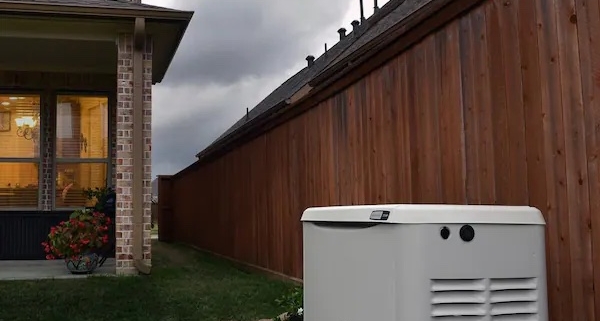
Credit: anroth.com
Frequently Asked Questions
What Size Home Standby Generator Do I Need?
Choose a generator size based on your home’s essential power needs. Calculate total wattage of appliances to determine capacity. A professional assessment ensures accurate sizing for reliable backup power.
How Much Does A Home Standby Generator Cost?
Home standby generators typically cost between $2,000 and $7,000. Installation and permits can add $3,000 to $5,000. Costs vary by generator size, brand, and installation complexity.
How Often Should I Maintain My Standby Generator?
Maintain your generator every 6 to 12 months. Regular checks include oil changes, battery tests, and system inspections. Proper maintenance ensures optimal performance and longevity.
Can A Standby Generator Power My Entire House?
Yes, if sized correctly, a standby generator can power your whole home. Ensure the generator’s wattage covers all major appliances and systems. Consult experts to avoid power shortages.
Conclusion
Choosing the right home standby generator ensures power during outages. Consider your home’s size and power needs carefully. Check fuel types and maintenance requirements. Think about installation costs and warranty options. A good generator keeps your family safe and comfortable.
Take your time to compare models before deciding. This helps avoid problems later. Your home deserves reliable backup power. Stay prepared and confident with the right choice.