
Choosing the right standby generator can feel overwhelming. You want to ensure your home is safe and powered during unexpected outages.
But with so many options out there, how do you make the right choice? Imagine the peace of mind you’ll have knowing your home is always protected, no matter what Mother Nature throws your way. In this guide, you’ll discover straightforward steps to pick the perfect standby generator for your needs.
Let’s dive into the key factors that will lead you to a decision you can trust, ensuring your home remains a safe haven even during the stormiest nights. Keep reading to find out how you can make a smart, informed choice that keeps your lights—and life—on.
Benefits Of Standby Generators
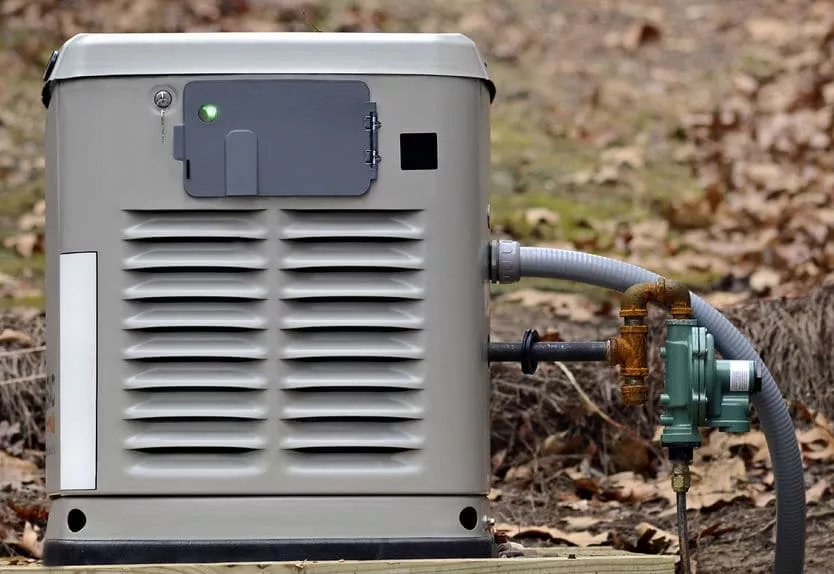
Standby generatorsprovide a continuous power supplyduring outages. They start automatically, so no need to plug in or start manually. This keeps your home running smoothly without interruptions.
Automatic operation means the generator senses power loss and switches on instantly. It runs until the main power returns, then switches off by itself. This makes it very easy to use and reliable.
Having a standby generator can increase your home’s value. Buyers see it as a plus for safety and convenience. It shows your home is prepared for emergencies.
Assessing Your Power Needs
Calculate the wattage of essential appliancesyou want to power. This includes items like the refrigerator, lights, and heating systems. Add their wattages to find the total load. This helps choose a generator that fits your needs.
Plan for future expansion. You might add new appliances or increase your home’s power use later. Choose a generator with a little extra capacity to handle growth. This saves money and hassle in the long run.
Decide between a whole-houseand a partial backup. Whole-house generators power everything, but cost more. Partial backups cover only critical appliances and use less fuel. Your choice depends on budget and power needs.
Fuel Types Explained
Natural Gas Generatorsrun on gas piped directly to your home. They offer continuous fuel supplyand need less refilling. These generators are cleanerand quieter but depend on gas lines, which may stop during some outages.
Propane Generatorsuse propane tanks that you can store easily. They run cleanand last longer on fuel. Propane is safeand burns well, but you must keep extra tanks for long outages.
Diesel Generatorsare strong and work well for longer power needs. Diesel fuel is easy to storeand has a long shelf life. These generators are louderand need regular maintenance but are very reliablefor heavy use.
Credit: www.premium-electric.ca
Sizing Your Generator
Starting wattsare the extra power needed to start appliances. Running wattsare the power needed to keep them working. Some devices like refrigerators need more power to start than to run.
Avoiding oversizingprevents wasting money on a too-big generator. Undersizingcan cause the generator to fail or damage appliances.
Consulting a professionalhelps find the right size. They consider your home’s needs and power use. This step saves time and ensures safety.
Installation Considerations
Locationis key for a standby generator. It should be placed on a flat surface, away from windows and doors. Good ventilationis essential to avoid harmful gas build-up. The generator needs enough space for air to flow freely around it.
| Permit or Code | Why It Matters |
|---|---|
| Local Building Permit | Ensures installation follows safety rules |
| Electrical Codes | Maintains proper wiring and connections |
| Noise Restrictions | Keeps noise levels within legal limits |
Professional installationis a smart choice. Experts understand local rules and codes. They reduce risks of errors and ensure safety. A certified technician can connect the generator to your home properly. This helps prevent damage and keeps the system reliable.
Maintenance Tips
Regular testing ensures the standby generator works well during outages. Run the generator monthly for about 15 minutes. This helps keep all parts moving and prevents fuel from getting old.
Fuel system care is important. Check fuel levels often and replace old fuel every 6 months. Clean fuel filters to stop blockages. Keep fuel tanks free of dirt and water.
Battery and electrical checks are key for starting the generator. Inspect battery terminals for corrosion. Make sure battery connections are tight. Test battery voltage and replace if low. Examine wiring for damage or loose connections.
Budgeting And Cost Factors
Equipment costsinclude the price of the generator itself. Prices vary by size and brand. Smaller units cost less but provide less power. Larger units cost more but cover whole homes or businesses.
Installation expensescover labor and materials. This includes wiring, permits, and connection to fuel sources. Professional installation is important for safety and code compliance.
Long-term operating costsinvolve fuel, maintenance, and repairs. Fuel type affects cost: natural gas, propane, or diesel. Regular maintenance keeps the generator running well and lasts longer.

Credit: au.jackery.com
Top Brands And Models
Top brandsoften have a long history of making reliable generators. They use good parts that last long. Choosing brands with a strong reputationmeans fewer breakdowns and better support. Warranty length shows how much the company trusts its product. Longer warrantyusually means better quality and service. Check if the company offers easy access to repairs and parts.
Customer reviews give real opinions from people who bought the generator. Look for comments on performance, noise level, and fuel efficiency. Pay attention to stories about customer serviceand how fast problems were fixed. Reviews help avoid brands with common issues.
| Brand | Warranty | Customer Rating | Support Availability |
|---|---|---|---|
| Brand A | 5 years | 4.5/5 | 24/7 phone support |
| Brand B | 3 years | 4.0/5 | Business hours only |
| Brand C | 4 years | 4.3/5 | Online chat and phone |
Safety Precautions
Carbon monoxideis a silent, deadly gas produced by generators. It has no smell or color. Always place generators outdoors and away from windows or doors. Never use a generator inside your home or garage to avoid poisoning risks.
Proper ventilationhelps to reduce gas buildup. Ensure the generator is in a well-ventilated area. Avoid placing it near walls or enclosed spaces where fumes can collect.
- Look for generators with emergency shutdown features.
- This feature stops the generator if it detects dangerous problems.
- It helps prevent accidents and protects your family.

Credit: www.angi.com
Frequently Asked Questions
What Size Standby Generator Do I Need For My Home?
Choosing the right size depends on your home’s power needs. Calculate total wattage of essential appliances. Select a generator that handles this load with some extra capacity for safety.
How Long Can A Standby Generator Run Continuously?
Most standby generators can run 24 to 72 hours continuously. Runtime depends on fuel type and tank size. Proper maintenance ensures reliable long-term operation during power outages.
What Fuel Options Are Available For Standby Generators?
Common fuels include natural gas, propane, and diesel. Natural gas offers unlimited fuel supply if connected. Propane and diesel provide portability but need refilling. Choose based on availability and convenience.
How Much Does Installing A Standby Generator Cost?
Installation costs vary from $3,000 to $10,000 or more. Factors include generator size, fuel type, and electrical work needed. Getting multiple quotes helps find the best price and service.
Conclusion
Choosing the right standby generator keeps your home safe and powered. Consider your power needs, budget, and fuel type carefully. Think about the size of your home and how long outages last. Check for reliable brands and good warranties. Installation and maintenance matter too.
A good standby generator brings peace of mind during storms or blackouts. Take your time to pick the best one for your family. Preparedness pays off when power goes out unexpectedly.