Are you thinking about getting a standby generator? With power outages becoming more frequent, having a reliable backup can be a game-changer for your home.
But before you can enjoy the peace of mind that comes with having a generator, it’s crucial to prepare the ground properly. This step is vital for ensuring your generator runs smoothly and safely when you need it most. In this guide, you’ll learn the essential steps to prepare the ground for your standby generator.
From choosing the right spot to ensuring proper drainage, we’ve got you covered. Stick around, and discover how a little preparation can lead to a lot of reliability when the lights go out.
Site Selection
Choose a flat and level areato place the generator. This ensures stability and proper operation. Uneven ground can cause damage or noise issues.
Make sure the location is easy to reachfor installation and maintenance. Good access helps technicians work safely and quickly.
Check with local authorities for any rules or permitsabout generator placement. Following these laws avoids fines and delays.
Credit: www.jadelearning.com
Clearing The Ground
Start by clearing the area where the generator will sit. Remove all vegetationsuch as grass, weeds, and small plants. Clear away any debrislike rocks, sticks, and trash. This creates a clean, flat space for the generator base.
Proper drainage is very important to keep the generator dry. Make sure the ground slopes away from the generator site. This helps water flow away and prevents puddles from forming. Avoid low spots where water can collect.
- Remove plants and roots completely
- Clear rocks and loose soil
- Check for even ground surface
- Ensure slope directs water away
- Use gravel or sand to improve drainage if needed
Soil Preparation
Testing soil stability is key to ensure a firm base for the generator. Use a soil probe or hire a professional to check soil type and firmness. Soft or loose soil needs extra work before installation. A stable ground prevents shifting or sinking over time.
Compacting the soil increases its strength and reduces air pockets. Use a mechanical compactor or hand tamper for best results. Compact in layers, not all at once, to avoid weak spots. Proper compaction stops water from pooling and causing damage.
Creating A Solid Base
A solid base is important for a standby generator. It keeps the generator stable and dry. Gravel or concrete pads are common choices.
Gravel pads allow water to drain easily. Use clean, crushed stone about 4 inches deep. Make sure the area is flat and firm.
Concrete pads offer strong support. A thickness of 4 to 6 inches is usually enough. The pad size should be at least 2 feet wider than the generator on all sides.
| Pad Type | Recommended Thickness | Recommended Size | Benefits |
|---|---|---|---|
| Gravel | 4 inches | At least 2 feet wider than generator | Good drainage, easy to install |
| Concrete | 4-6 inches | At least 2 feet wider than generator | Strong, stable, long-lasting |
Installing Grounding System
Ground rods must be driven deep into the soil for strong grounding. Use copper or galvanized steel rods about 8 feet long. Space rods at least 6 feet apart if more than one is needed. Connect rods with copper wire to form a grounding grid. Make sure rods are fully buried and stable.
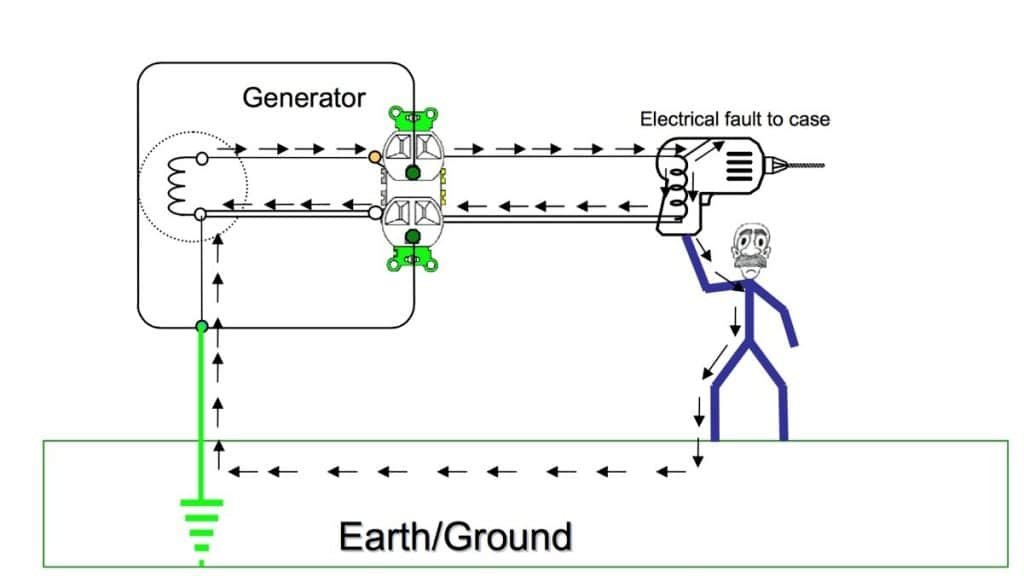
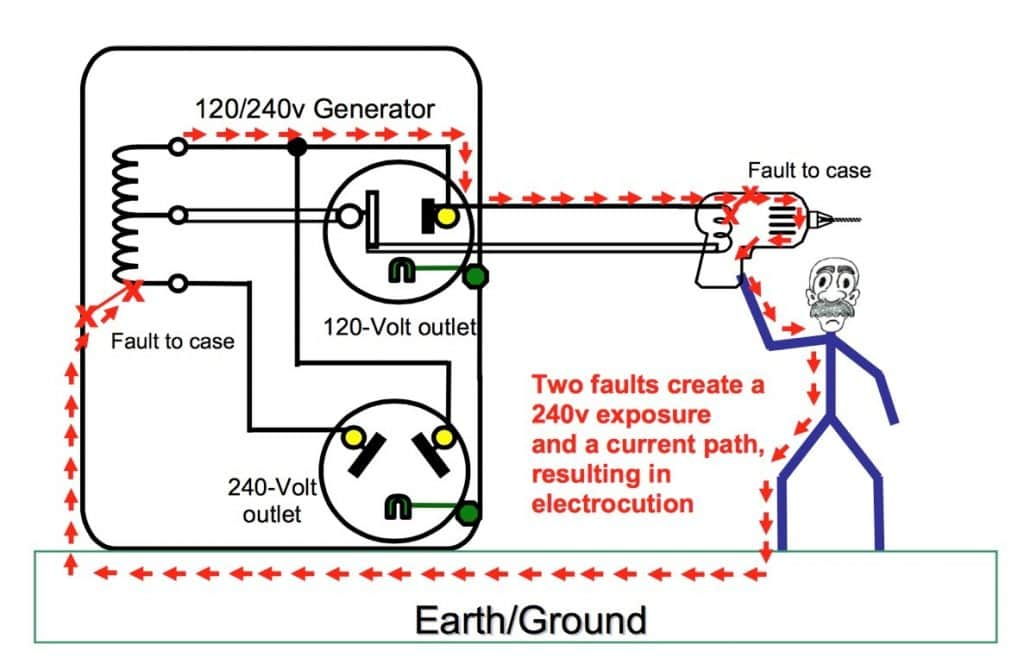
Connecting the grounding system to the generator’s electrical panel is vital. Use a grounding wire with proper thickness, usually copper. Attach the wire securely from the ground rods to the generator’s grounding terminal. Check all connections for tightness and corrosion. This helps protect the generator and your home from electrical faults.
Credit: forums.mikeholt.com
Safety And Compliance
Always follow the manufacturer’s guidelinesfor safe installation. These rules explain how to set up the ground properly. They also tell what tools and materials to use. Using the right parts helps avoid future problems.
Check for local electrical codesbefore starting the work. These codes tell you how to connect the generator safely. They keep your home and property safe from fire or electric shock. Contact your local office to learn the rules.
- Use the correct grounding rod as per instructions.
- Keep the grounding wire tight and secure.
- Make sure the grounding spot is dry and away from metal pipes.
- Test the ground connection to ensure it works well.

Credit: aquariushomeservices.com
Frequently Asked Questions
What Ground Preparation Is Needed For A Standby Generator?
Preparing the ground involves leveling the area and ensuring it is firm. Use gravel or a concrete pad for stability. Proper drainage is essential to avoid water damage. This creates a safe, durable base for your standby generator installation.
How Much Space Is Required Around A Standby Generator?
A minimum of 3 feet clearance is recommended around the generator. This allows proper airflow and easy maintenance access. Adequate spacing also reduces fire hazards and noise issues. Always check local codes for specific spacing requirements.
Can I Install A Standby Generator On Grass Or Soil?
Installing directly on grass or soil is not advised. These surfaces can shift and trap moisture. Use a concrete or gravel pad to provide a solid, level base. This prevents generator instability and extends its lifespan.
Why Is Drainage Important For Generator Ground Preparation?
Proper drainage prevents water pooling around the generator base. Standing water can cause corrosion and electrical issues. Sloped ground or drainage channels help divert water away. Good drainage ensures long-term generator performance and safety.
Conclusion
Preparing the ground for your standby generator is key to its safe use. Clear the area of debris and level the soil well. Choose a spot with good drainage to avoid water damage. Use sturdy materials like gravel or concrete for a solid base.
Keep the location accessible for maintenance and repairs. Taking these simple steps helps your generator run smoothly when needed. Proper ground preparation protects your investment and ensures power during outages. Small efforts now save big problems later.