
Imagine a storm hits, the power goes out, and everything in your home comes to a standstill. But what if you could keep your lights on, your refrigerator running, and your home warm?
This is where a standby generator comes in. Having one can be a game changer, ensuring you have power when you need it most. But before you dive into purchasing a generator, there’s something important you need to know: your home must be ready.
Preparing your home for a standby generator is not just about getting the right equipment; it’s about understanding your home’s needs and making sure everything is set up safely and efficiently. You’ll learn how to prepare your home for a standby generator with simple steps that anyone can follow. We’ll guide you through everything, from assessing your power needs to ensuring installation safety. Stay with us, and by the end, you’ll be ready to keep your home powered no matter what comes your way.
Choosing The Right Generator
Think about your home’s energy needs. List the appliances you want to power. Larger homes need more power. Small homes might need less. Choose a generator with the right capacity. Oversized generators cost more. Undersized ones won’t power all appliances.
Generators use different fuels. Some use gasoline. Others use dieselor propane. Gasoline is common but needs careful storage. Diesel lasts longer in storage. Propane is clean and easy to store. Choose a fuel type based on what’s available. Consider cost and storage space too.
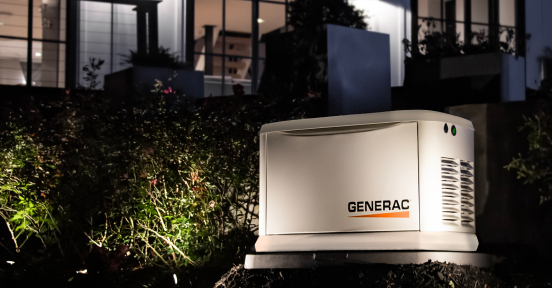
Many brands make generators. Some popular ones include Hondaand Generac. Research different models online. Read customer reviews for insights. Check the warranty offered by the brand. A good warranty is important. It helps if something goes wrong. Pick a model that fits your needs.

Credit: www.generac.com
Site Selection
Choosing between outdoor and indoor installation is important. Outdoor installation is common and saves indoor space. Indoor installation can protect the generator from weather. Indoor setups need good ventilation. This prevents dangerous gas build-up. Both options have pros and cons.
Place the generator near power sources. This makes connecting easier. Shorter cables work better and cost less. Keep the generator close to the main panel. This helps in quick power transfer. Avoid placing it too far from utility connections.
Follow safety regulations for installation. Check local codes before starting. Ensure there is enough space around the generator. This prevents overheating and accidents. Keep flammable items away. Safety first for a smooth operation.
Electrical Connections
Install a transfer switchto connect the generator safely. It helps control power flow. Switches prevent electricity backfeed. This keeps workers safe. A transfer switch is like a traffic light for power.
Use a professional electricianfor wiring. They know the right way. Wires connect the generator to your home. Bad wiring can cause fires. Electricians check all connections. This keeps your home safe.
Manage the electrical loadto avoid overload. Only turn on needed devices. Make a list of important appliances. Keep power use low when using a generator. This helps the generator run well. It also saves fuel.
Fuel Storage And Management
Ensuring your home is ready for a standby generator involves proper fuel storage and management. Store fuel safely in approved containers, keeping them in a cool, dry location. Regularly check fuel levels and quality to guarantee efficient generator operation.
Storage Safety
Store fuel in a cool, dry place. Keep away from heat sources. Use containers designed for fuel storage. Check for leaks regularly. Secure the area to prevent accidents. Keep a fire extinguisher nearby.
Fuel Shelf Life
Fuel can go bad over time. Always check the expiration date. Use stabilizers to extend shelf life. Replace old fuel with fresh fuel. Old fuel may damage your generator.
Refueling Protocols
Turn off the generator before refueling. Avoid spilling fuel on the ground. Use a funnel for easy pouring. Never refuel near open flames. Clean up spills immediately. Follow local regulations for disposal.
Routine Maintenance
Regular inspections keep your standby generatorworking well. Check all parts monthly. Look for any signs of wear or damage. Listen for unusual sounds when the generator runs. Keep a log of each inspection.
Clean the generator to ensure it runs smoothly. Remove dust and debris from the vents and panels. Use a soft brush to clean delicate parts. Avoid using water directly on the generator. Keep the area around the generator clear and tidy.
Replace worn parts promptly. Check the oil and filters regularly. Change them as needed. Keep spare parts handy for quick replacements. Ensure all connections are tight and secure. Replace any damaged wires or cables immediately.

Credit: m.facebook.com
Testing And Troubleshooting
Ensure your home is ready for a standby generator by testing connections and checking fuel supplies. Troubleshoot any issues by inspecting wiring and ensuring proper ventilation. Regularly assess equipment to guarantee reliable operation during power outages.
Operational Testing
Begin by ensuring the generator is turned on. Check the fuel levels. Make sure they are adequate. Listen for unusual sounds. This might indicate an issue. Observe the generator’s power output. It should match the requirements. Confirm the transfer switch functions properly. It should switch power sources smoothly. Conduct these tests regularly. This will ensure the generator’s readiness.
Common Issues
Generators may face several common issues. One is a dead battery. Another is low oil levels. Fuel problems can also occur. Clogged filters may cause trouble. Electrical connections might be loose. Regular checks can prevent these problems. Early detection is key to fixing them. Always keep spare parts handy. They are useful for quick fixes.
Professional Support
Sometimes problems need professional help. A technician can diagnose complex issues. They have the right tools and knowledge. Regular maintenance by professionals is wise. They ensure the generator works well. Contact them if problems persist. It’s better to be safe than sorry. Professional help ensures peace of mind.
Safety Precautions
Carbon monoxide is dangerous. It is invisible and has no smell. Generators can produce carbon monoxide. Never use a generator indoors. Keep it outside and far from windows. Wind can blow gases inside. Always check for leaks. Use a carbon monoxide detector for safety. Protect your family from this silent threat.
Know how to turn off your generator quickly. Practice emergency shutdown steps. Keep the manual handy. Teach family members the shutdown process. Make sure everyone knows what to do. Be ready for unexpected situations. Safety first in emergencies.
Always wear protective gear when handling generators. Gloves protect your hands. Safety glasses shield your eyes. Sturdy shoes keep feet safe. Proper clothing prevents burns and cuts. Gear helps avoid injuries. Stay safe while working with machines.
Credit: www.generac.com
Frequently Asked Questions
How Do I Prepare My House For A Generator?
Install a transfer switch to safely connect the generator to your home. Ensure proper ventilation for exhaust fumes. Store fuel securely and away from the house. Regularly maintain the generator for optimal performance. Educate household members on safe generator operation and emergency procedures.
What Is The 20/20/20 Rule For Generators?
The 20/20/20 rule for generators recommends 20 minutes of exercise, 20 minutes of rest, and a 20% load. This helps maintain generator efficiency, prevent overheating, and extend lifespan. Regular maintenance and load management enhance performance and reliability.
What Are The Disadvantages Of A Standby Generator?
Standby generators can be expensive to purchase and install. They require regular maintenance and fuel storage. Noise pollution is a concern for some models. They may not always provide seamless power during outages. Environmental impact due to emissions is another disadvantage.
What Is The Average Cost To Install A Generac Generator?
Installing a Generac generator typically costs between $5,000 and $10,000. This includes equipment and installation fees. Prices vary based on the generator size, installation complexity, and location. Always consult with professional installers for precise quotes tailored to your specific needs.
Conclusion
Preparing your home for a standby generator ensures peace of mind. Start with the basics. Choose the right generator size for your needs. Ensure proper installation by a professional. Keep the generator in a safe, ventilated area. Regular maintenance checks are key.
Test your generator periodically to ensure it works. Stock up on fuel and essential supplies. Always follow safety guidelines to protect your family. A well-prepared home stays powered during outages. Enjoy continuous comfort and security with your standby generator. Stay ready for any power interruptions.
Your home deserves it.