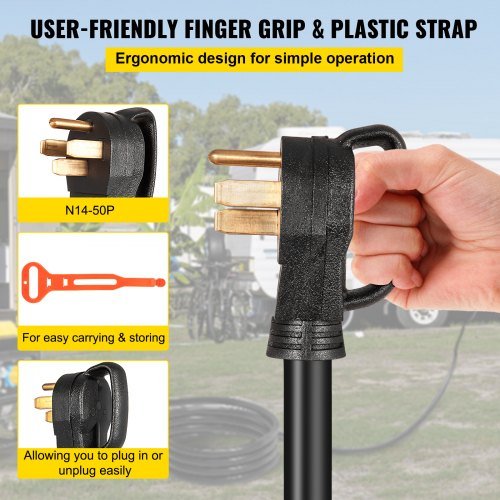
Imagine you’re in the middle of an important task, relying on your generator to power your tools or keep your home running during an outage. Suddenly, everything goes dark.
The culprit? An accidentally unplugged generator cable. It’s frustrating, inconvenient, and can be easily avoided. You’re not alone in this struggle, and the good news is there are simple steps you can take to prevent it from happening again. In this guide, you’ll discover practical tips that will not only help you keep your generator cables secure but also give you peace of mind.
Keep reading to find out how you can protect your power source and avoid those unexpected interruptions that throw your day off course.
Common Causes Of Accidental Unplugging
Loose connectionscan cause the generator cable to unplug easily. Over time, plugs may wear out or not fit tightly. Check plugs often and push them in firmly to keep a secure connection.
Cable placement issueshappen when cables are placed where people walk or drive. This can cause the cable to be pulled or tripped over. Keep cables away from busy paths and use cable covers to protect them.
Environmental factorslike wind, rain, or animals can move or damage cables. Strong winds can pull cables loose. Water can cause plugs to slip. Animals might chew on cables. Protect cables with covers and place them in safe spots.

Credit: backupwatt.com
Choosing The Right Cable
Choose a cable made from durable materialslike thick rubber or heavy-duty plastic. These materials can withstand tensionand avoid breaks. A strong cable lasts longer and stays safe.
The proper lengthis key. A cable too short can pull out easily. Too long can cause tangles or trips. Measure the distance between your generator and power source. Pick a cable that fits well without slack.
Weather resistanceis important. The cable should resist rain, sun, and cold. Look for cables with a waterproof jacketand UV protection. This keeps the cable safe outside for a long time.
Securing The Cable Effectively
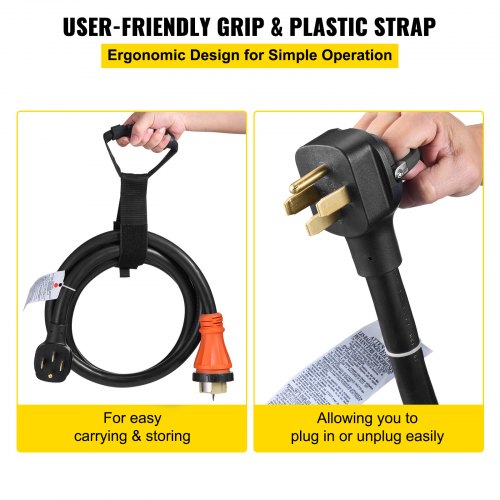
Cable ties and clipshold the generator cable firmly in place. They stop the cable from moving or pulling loose. Use strong plastic ties or metal clips for better grip. Attach them to nearby fixed points like walls or poles. This keeps the cable from getting accidentally unplugged.
Cable covers and protectorsguard the cable from damage and tripping. These covers shield the cable from weather and foot traffic. Place the cable inside a cover that fits snugly. This adds safety and keeps the cable secure.
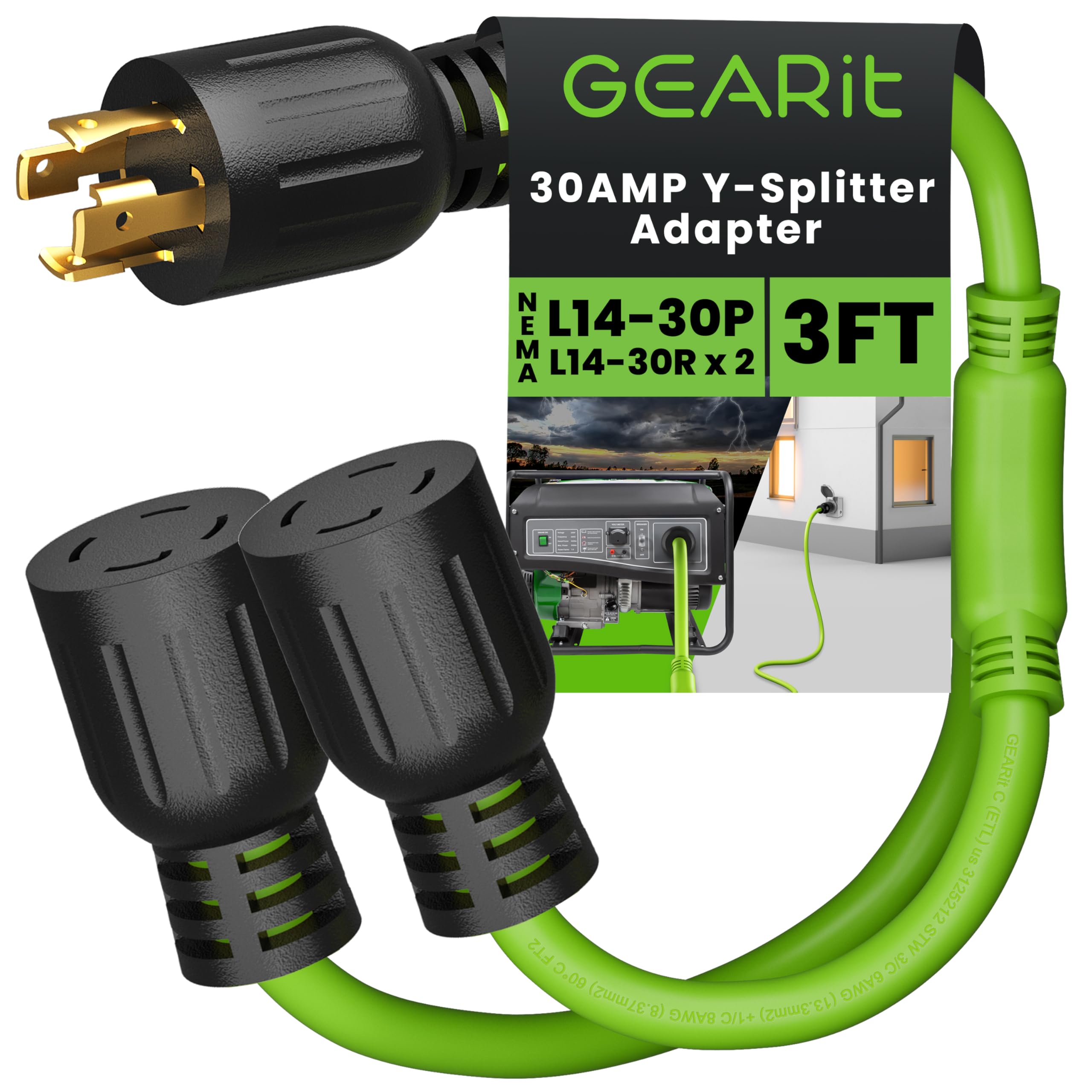
Using cable locksadds extra security. Locks prevent the plug from being pulled out easily. Choose locks made for generator cables. They fit tightly around the plug and socket. This ensures the connection stays safe and steady.
Credit: www.amazon.ca
Strategic Cable Placement
Place cables away from busy walkwaysand vehicle paths to reduce accidental unplugging. This helps keep the generator cable safe and undisturbed.
Use raised supports or cable traysto lift cables off the ground. Elevated routing stops cables from being tripped over or pulled out by mistake.
- Put clear signsnear cables to warn people about their presence.
- Use bright colors or reflective tape on cables for better visibility.
- Signs help remind everyone to be careful around the cables.
Regular Maintenance And Inspection
Regular checks help keep the generator cable safe and secure.
Look closely for any wear and tearlike cracks or frays. These can cause the cable to unplug suddenly.
Make sure all connections are tight. Loose plugs can come out easily.
Swap out any damaged partsright away. This stops problems before they start.
Here is a simple checklist:
- Inspect cable for cuts or worn spots
- Check plugs and sockets for tight fit
- Replace frayed wires or broken connectors
Credit: www.vevor.ca
Additional Safety Measures
Warning lightsnear generator cables alert people to stay away. These lights make the cables easy to spot, especially in dark or busy areas. Bright colors and flashing lights work best. Place them at eye level and near all cable ends.
Traininghelps workers understand the risks of unplugging cables by accident. Simple lessons on safe handling and cable checks reduce mistakes. Everyone should know how to connect and disconnect cables properly.
- Teach clear steps for cable use
- Practice safe unplugging techniques
- Use signs to remind about cable safety
Emergency protocolsprepare teams for quick action if cables get unplugged. Having a plan minimizes damage and downtime. Make sure all workers know who to call and what to do right away.
Frequently Asked Questions
How Can I Secure Generator Cables To Avoid Unplugging?
Use cable clips or ties to fasten cables firmly. Ensure cables run along walls or under mats to prevent tripping. Label cables clearly to avoid accidental disconnections. Regularly inspect for wear and reposition cables if needed.
What Materials Prevent Generator Cable Disconnection?
Durable cable organizers, heavy-duty clips, and protective conduits work well. These materials shield cables from movement and accidental pulls. Choose weather-resistant options for outdoor setups. Proper materials increase cable longevity and reduce unplugging risks.
Why Does Generator Cable Unplug Accidentally?
Loose connections, unsecured cables, or high foot traffic cause accidental unplugging. Environmental factors like wind or pets can also dislodge cables. Identifying these causes helps in applying effective prevention methods. Regular maintenance minimizes such incidents.
Can Labeling Cables Help Prevent Unplugging?
Yes, labeling cables helps users identify and handle them carefully. Clear labels reduce confusion during operation and maintenance. This simple step prevents accidental unplugging and damage. Use waterproof labels for outdoor generators.
Conclusion
Preventing accidental unplugging keeps your generator running smoothly. Secure cables tightly and use proper clips or ties. Place cables where people won’t trip or pull them. Check connections often for safety and performance. Small steps protect your power and avoid disruptions.
Stay safe, stay prepared, and keep your generator working well. Simple habits make a big difference every day.