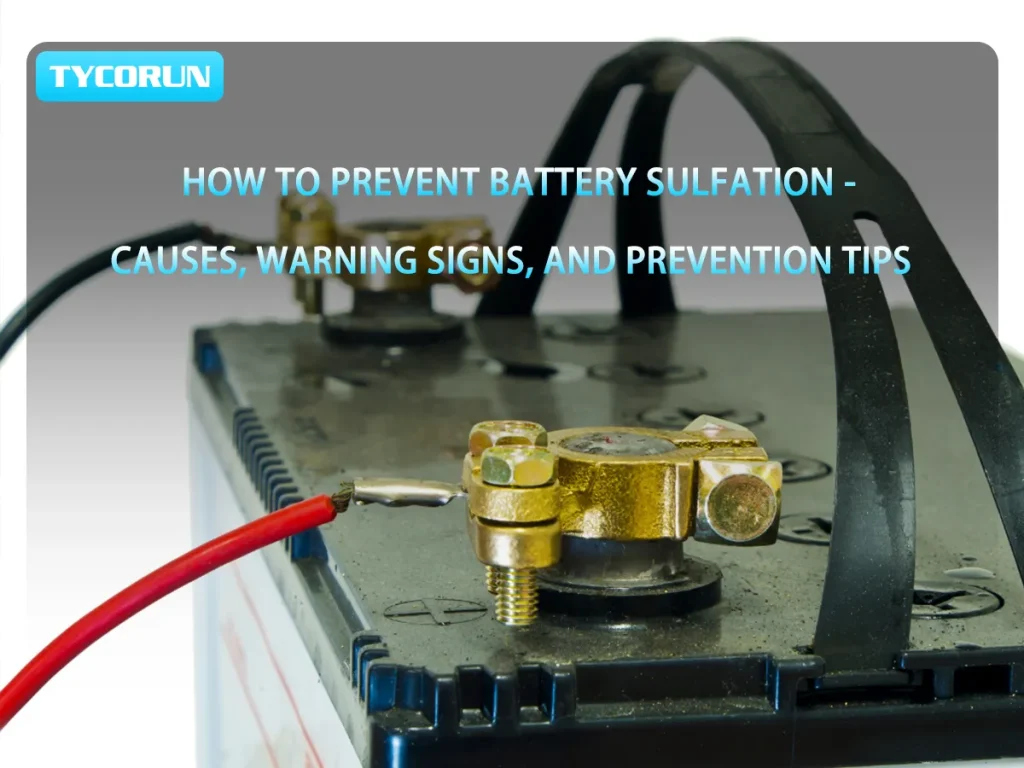
Is your generator battery showing signs of corrosion? If so, you’re not alone.
Battery corrosion is a common issue that many people face, and it can lead to serious problems if not addressed promptly. Imagine being in the middle of a power outage and discovering your generator won’t start because of a preventable problem.
Frustrating, right? Understanding how to prevent battery corrosion in your generator is crucial for its longevity and reliability. By taking a few simple steps, you can ensure your generator is always ready to power your home when you need it most. In this guide, we’ll walk you through practical tips and tricks to keep your generator’s battery in top shape. Let’s dive into the steps that can save you time, money, and stress, ensuring peace of mind during those unexpected power cuts. Stick with us, and you’ll be equipped with the knowledge to tackle battery corrosion head-on.
Credit: tikweld.com
Causes Of Battery Corrosion
Chemical reactionsinside the battery can cause corrosion. Batteries use acid and metal plates to create power. Over time, these chemicals can leak and form a white or green powder. This powder is the corrosion. It damages the battery terminals and stops the battery from working well.
Environmental factors also play a big role. Heat, moisture, and dirt can speed up corrosion. High temperatures make the battery acid evaporate faster. Moist air causes rust and corrosion on metal parts. Dust and dirt trap moisture, making corrosion worse.
Maintenance neglect is a common cause. Batteries need regular checks and cleaning. Dirt and corrosion should be removed quickly. Leaving corrosion on terminals can cause poor connections. It can also shorten the battery’s life.

Credit: www.tycorunenergy.com
Signs Of Battery Corrosion
Visual Indicatorsinclude white or greenish powder around battery terminals. This powder is a sign of corrosion. Terminals may look swollen or cracked. Corrosion can also cause a strong, unpleasant smell near the battery. Rust or discoloration on battery parts can appear. These signs show the battery needs cleaning or replacement soon.
Performance Issueshappen when corrosion blocks power flow. The generator may fail to start or work weakly. Lights might flicker or dim during use. Battery charging may take longer than usual. The generator might shut down unexpectedly. These problems often mean corrosion is affecting the battery’s function.
Preventive Measures
Regular cleaning helps keep the battery free from dirt and acid build-up. Wipe terminals with a damp cloth and a mild baking soda solution. This stops corrosion before it starts and keeps the generator working well.
Proper battery installation is key to preventing leaks and corrosion. Ensure terminals are tight and cables are not loose. Place the battery on a flat, stable surface to avoid damage during use.
Using protective coatings creates a barrier against moisture and acid. Apply a thin layer of petroleum jelly or a commercial anti-corrosion spray on battery terminals. This simple step extends battery life and performance.

Credit: www.keysight.com
Maintenance Best Practices
Check the battery terminals often for signs of corrosion. Corrosion looks like a white or blue powdery substance. Clean the terminals with a brush or cloth to keep good contact.
Make sure all connections are tight and secure. Loose connections can cause sparks and corrosion. Use a wrench to gently tighten bolts and nuts without over-tightening.
Avoid overcharging the battery. Too much charge can cause heat and corrosion. Use a charger with an automatic cutoff or check the charge level regularly.
Choosing The Right Battery
Choosing a battery that lasts long helps prevent battery corrosion. Lead-acid and AGM batteries are common types. Lead-acid batteries are cheaper but may corrode faster. AGM batteries resist corrosion better and last longer.
Check the quality and warrantybefore buying. A longer warranty often means better quality. A good battery has sealed terminals to stop acid leaks. Look for brands with clear warranty terms and good reviews.
| Battery Type | Durability | Corrosion Resistance | Cost |
|---|---|---|---|
| Lead-Acid | Moderate | Low | Low |
| AGM (Absorbent Glass Mat) | High | High | High |
Storage Tips For Longevity
Store the generator battery in a cooland dry place. Avoid spots with direct sunlight or high heat. Keep the battery away from moisture to stop rust and corrosion. The ideal temperature is between 50°F and 70°F. High or low temperatures can harm battery life.
Before storing, fully charge the battery. A charged battery resists corrosion better. Check the charge every few months. Recharge if the battery level drops below 50%. This keeps the battery active and healthy.
Frequently Asked Questions
What Causes Battery Corrosion In Generators?
Battery corrosion in generators is caused by acid leaks, moisture, and chemical reactions on terminals. These create white or blue deposits. Poor maintenance and exposure to air accelerate corrosion, reducing battery efficiency and lifespan.
How Often Should I Clean Generator Battery Terminals?
Clean generator battery terminals at least every three months. Regular cleaning prevents corrosion buildup, ensuring better electrical contact and longer battery life. Use a mixture of baking soda and water with a brush for safe cleaning.
Can Battery Corrosion Affect Generator Performance?
Yes, battery corrosion can reduce generator performance. Corrosion disrupts electrical flow, causing starting problems or failure. Maintaining clean terminals ensures reliable startup and efficient generator operation.
What Products Help Prevent Battery Corrosion?
Use anti-corrosion sprays, petroleum jelly, or dielectric grease on battery terminals. These products create a protective layer, preventing acid and moisture contact, thus reducing corrosion and extending battery life.
Conclusion
Preventing battery corrosion in your generator saves time and money. Keep battery terminals clean and dry. Check the battery regularly for leaks or damage. Use protective sprays or grease to stop corrosion. Store the generator in a cool, dry place.
Simple steps make your generator last longer. Stay safe and keep power ready when needed. Small efforts bring big results.