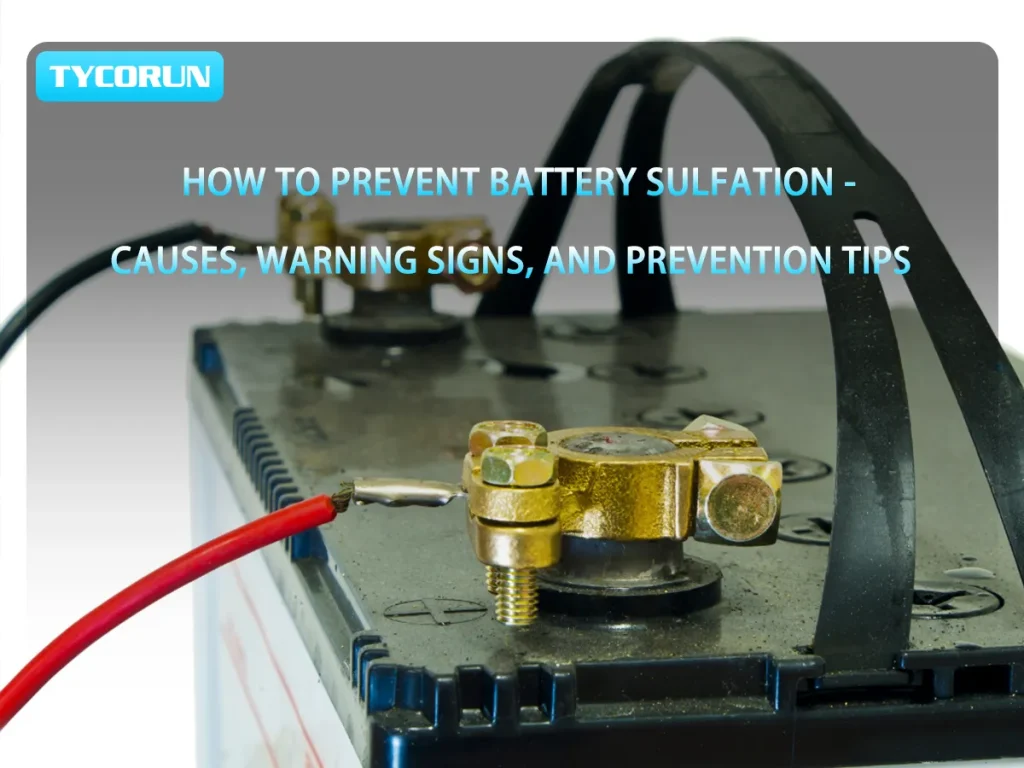
Imagine this: You’re in the middle of a power outage, and your trusty generator is your only lifeline. But when you go to start it, nothing happens.
The culprit? Corrosion on your generator battery. It’s a frustrating scenario that can leave you in the dark—literally. You rely on your generator in emergencies, so keeping it in top shape is crucial. Corrosion is a sneaky enemy that can compromise your generator’s performance when you need it most.
But what if you could prevent this common issue before it even starts? You’ll discover simple, actionable steps to protect your generator battery from corrosion and ensure it’s ready whenever you need it. Let’s dive into the practical strategies that will give you peace of mind and keep the lights on when it matters the most.

Credit: www.tycorunenergy.com
Causes Of Battery Corrosion
Chemical reactionsinside batteries cause corrosion. Acid leaks from the battery can create a white, powdery substance on the terminals. This substance blocks the flow of electricity and damages the battery.
Environmental factorsplay a big role too. High humidity, heat, and salty air make corrosion worse. Batteries kept in damp or hot places will corrode faster than those stored in dry, cool areas.
Poor maintenancealso causes corrosion. Dust and dirt build-up on battery terminals can trap moisture. Not cleaning the battery regularly or checking for leaks allows corrosion to grow. Keeping the battery clean and dry helps prevent damage.

Credit: www.tycorunenergy.com
Signs Of Corrosion On Generator Battery
White or blue powderaround battery terminals shows corrosion. Battery posts may look dull or crusty. Cables could feel loose or weak. Look for cracked or swollen battery casing. These are clear visual signs.
Corrosion causes poor battery connection. The generator might have trouble startingor stop suddenly. You may notice lower power output. The battery may fail to hold charge well.
Corrosion can cause dangerous short circuits. It may lead to sparks or fire. Acid leaks can harm skin or eyes. Handling a corroded battery needs care and protection.
Routine Cleaning Techniques
Safe cleaning materialsinclude baking soda, warm water, and a soft brush. Avoid harsh chemicals that can damage the battery. Use protective gloves and goggles to keep safe during cleaning.
The cleaning process starts by disconnecting the battery terminals carefully. Mix baking soda with warm water to create a cleaning solution. Dip the brush into the solution and scrub the battery terminals gently. Rinse with clean water and dry with a cloth. Reconnect the battery terminals tightly after cleaning.
| Cleaning Frequency | Reason |
|---|---|
| Monthly | Prevent buildup of corrosion and dirt |
| After heavy use | Remove acid residue and debris |
| When terminals look dirty | Maintain good electrical connection |
Protective Measures To Apply
Anti-corrosion sprayscreate a thin protective layer on battery terminals. This layer stops moisture and air from causing rust and damage. Sprays are easy to apply and dry quickly, making maintenance simple.
Applying petroleum jelly or greaseon terminals also blocks corrosion. It seals the metal parts and keeps acid and water away. Use a small amount for best results. Too much can cause dirt build-up.
- Battery terminal coversprotect against dirt and moisture.
- Covers reduce the chance of accidental short circuits.
- They are cheap, easy to install, and durable.
Proper Battery Maintenance
Keep a regular inspection scheduleto spot problems early. Check the battery every week or month. Look for corrosion buildupon terminals. Clean any white or green powdery deposits quickly. This stops damage to the battery and cables.
Ensure all connections are secure and tight. Loose connections cause sparks and corrosion. Use a wrench to tighten nuts on the battery posts. Avoid over-tightening, which can break the terminals.
Check the electrolyte levelsin each cell of the battery. Use distilled water to top up if levels are low. Avoid overfilling, as it can cause leaks. Proper electrolyte levels keep the battery working well and reduce corrosion risk.
Environmental Controls
Optimal storage conditionsprotect generator batteries from corrosion. Keep batteries in a cool, dry placeaway from direct sunlight. High temperatures speed up chemical reactions that cause corrosion. Temperatures between 20°C and 25°Care best for battery storage.
Temperature managementhelps extend battery life. Avoid placing batteries near heat sources like engines or heaters. Use fans or air conditioning to keep temperatures steady. Sudden temperature changes can cause condensation, which harms battery terminals.
Humidity reductionis vital to prevent rust and corrosion. Use dehumidifiersor silica gel packs in storage areas. Keep battery terminals dry and clean. Moisture encourages corrosion and weakens battery connections.
Upgrading Battery Components
Keeping battery terminals clean and dry helps stop corrosion on generator batteries. Applying a protective grease or spray prevents rust and extends battery life. Regular checks ensure early detection and easy maintenance.
Choosing Corrosion-resistant Materials
Use battery terminals made of stainless steel or brass to reduce rust. These materials are less likely to corrode. Also, select battery cables with thick insulation to protect wires from moisture and air. This helps prevent rust and keeps the battery working longer.
Installing Battery Terminal Protectors
Battery terminal protectors form a barrier against acid and moisture. They stop corrosion from forming on metal parts. Protectors come as sprays, pads, or grease. Apply a thin layer on terminals after cleaning. This keeps connections clean and helps the battery last longer.

Credit: www.tycorunenergy.com
Emergency Steps For Severe Corrosion
Neutralizing acid build-uprequires careful handling. Use a mixture of baking soda and water to gently clean the battery terminals. This solution helps stop the acid from causing more damage. Always wear gloves and eye protection. Rinse the area with clean water after cleaning. Dry the terminals fully before reconnecting the battery cables.
Knowing when to replace the batteryis crucial. If corrosion returns quickly or the battery struggles to hold charge, replacement is needed. Check for cracks, leaks, or swollen battery case. These signs show the battery is no longer safe or effective.
Professional assistanceis wise for severe corrosion. Experts can safely clean or replace the battery. They also inspect the generator to avoid future problems. Do not try to fix complex issues alone. Safety first.
Frequently Asked Questions
How Can I Stop Corrosion On My Generator Battery?
Clean battery terminals regularly with a baking soda solution. Apply a protective anti-corrosion spray or grease. Ensure tight, secure cable connections to prevent moisture buildup and corrosion.
What Causes Corrosion On Generator Batteries?
Corrosion is caused by acid leakage, moisture, and chemical reactions on terminals. These factors create white or bluish deposits, leading to poor electrical contact and battery failure.
How Often Should I Check Generator Battery Corrosion?
Inspect your generator battery monthly for corrosion signs. Frequent checks help catch early corrosion, ensuring optimal battery performance and extending its lifespan.
Can Corrosion Damage Generator Battery Performance?
Yes, corrosion disrupts electrical connections, reducing power output. It can cause starting problems and shorten battery life, making regular maintenance essential.
Conclusion
Preventing corrosion on your generator battery helps it last longer and work better. Clean the terminals regularly and keep them dry. Use protective sprays or grease to stop rust from forming. Check the battery often for any signs of damage.
These small steps save money and prevent breakdowns. A well-maintained battery keeps your generator ready when you need it most. Simple care makes a big difference. Stay consistent, and your generator battery will stay strong.