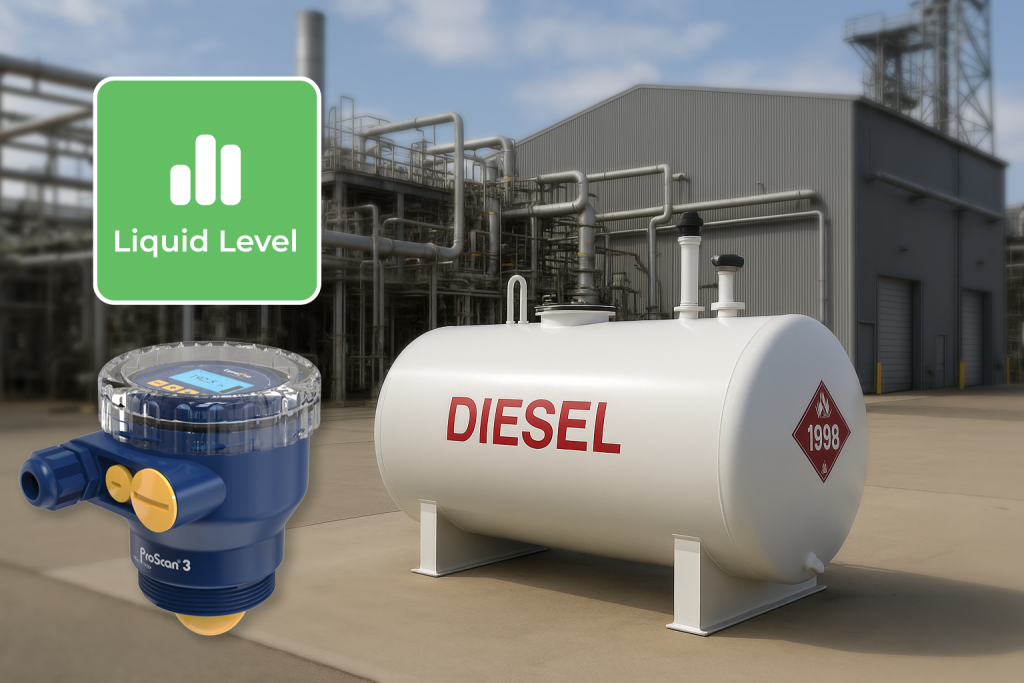
Imagine this scenario: your diesel generator is humming smoothly, powering your operations without a hitch. Suddenly, it sputters and stalls.
You might wonder, what went wrong? The answer could be fuel contamination. This silent disruptor can bring your diesel generator to a standstill, causing costly downtime and unforeseen expenses. But here’s the good news: you have the power to prevent it.
In this guide, you’ll discover simple yet effective strategies to keep your diesel generator running smoothly. From understanding the common culprits of contamination to implementing best practices for fuel storage and handling, you’ll learn everything you need to safeguard your investment. Dive in, and empower yourself with the knowledge to keep your generator — and your operations — running seamlessly.
Causes Of Fuel Contamination
Water can enter the fuel tank through condensation. This happens in humid places. Rainwater can also seep into tanks with bad seals. Water in fuel is bad. It causes rust in the tank. It also affects the engine’s performance. Keeping the tank full helps reduce condensation. Check seals regularly to avoid leaks.
Microbes love fuel and water mix. They grow fast and form sludge. This can block fuel filters. Microbes can damage the tank. Use biocides to control growth. Keep tanks dry to stop microbes. Regular fuel checks are important.
Dust and dirt enter through open tank caps. They mix with fuel and cause blockages. Rust from the tank walls is also a problem. Use good quality filters to catch particles. Keep the tank and fuel clean. Inspect the tank for rust regularly.
Credit: powerlinkenergy.com
Signs Of Fuel Contamination
Dirty filters and unusual engine noises can indicate fuel contamination in diesel generators. Regular maintenance and using clean, quality fuel are essential to prevent this issue.
Engine Performance Issues
Engines might not run smoothly. They can stall or lose power. This happens because fuel is not clean. Dirty fuel affects engine performance.
Unusual Exhaust Emissions
Exhaust smoke might change color. Look for black or blue smoke. It’s a sign of bad fuel. Clean fuel keeps the smoke normal.
Clogged Fuel Filters
Fuel filters can get blocked. They stop dirt in fuel. If blocked, fuel can’t flow well. This reduces engine efficiency. Regular checks are important.
Best Practices For Fuel Storage
Proper storage is crucial to prevent fuel contamination in diesel generators. Use clean containers and keep them sealed. Store in a cool, dry place away from direct sunlight to maintain fuel quality. Regularly inspect storage tanks for water or dirt.
Proper Tank Maintenance
Keep your fuel tank clean and free from debris. Regular cleaning helps prevent fuel contamination. Use filters to block dirt and water. Seal the tank properly to avoid leaks. This stops dirt from getting in. Change filters as needed to keep fuel pure.
Regular Inspections
Check your tanks often for signs of wear. Look for rust or leaks. Inspect seals and fittings regularly. Watch for water in the fuel. Use a water detection paste. This helps find water in the tank. Fix any issues quickly to prevent bigger problems.
Optimal Storage Conditions
Store fuel tanks in a cool and dry place. Keep tanks away from direct sunlight. Heat can cause fuel to degrade. Use a cover to protect the tank from weather. Ensure proper ventilation in storage areas. This helps maintain fuel quality.
Effective Filtration Techniques
Effective filtration techniques keep diesel generators running smoothly by removing dirt and water from the fuel. Clean filters ensure better performance and reduce engine wear. Regular maintenance and quality filters are key to preventing contamination.
Primary And Secondary Filters
Primary filters catch large particles in diesel fuel. They act as the first defense line. Secondary filters remove smaller particles. These are vital for clean fuel. Both filters protect the engine. A clean engine works better and lasts longer.
Choosing The Right Filter
Always use filters made for your generator. Check the manual for guidance. Filters must fit well. A good fit stops leaks. Leaks let in dirt. Dirt harms the engine. A harmed engine may stop working.
Regular Filter Replacement
Old filters can get clogged. Clogged filters slow fuel flow. Replace filters every few months. This keeps the fuel clean. Clean fuel is key for a healthy generator. Write down each filter change. This helps track when to change next.
Routine Maintenance Procedures
Regular fuel tests help find contaminants early. This keeps your generator running smoothly. Testing prevents engine damage and costly repairs. It ensures your generator is ready in emergencies. Testing should be on a schedule. Follow the manufacturer’s guidelines. Keep records of each test. Use a certified lab for accurate results.
Dirty fuel tanks can cause contamination. Clean tanks regularly to avoid this issue. Remove sludge and sediment build-up. This improves fuel quality and generator performance. Use proper cleaning methods recommended by experts. Ensure all cleaning residues are removed. Clean tanks when fuel levels are low.
Always check the fuel quality before use. Quality fuel improves engine efficiency. It prevents breakdowns and extends generator life. Use fuel additives if necessary. They help maintain fuel quality over time. Monitor storage conditions closely. Keep fuel away from water and other contaminants.
Credit: www.valvtect.com
Technological Solutions
Regular maintenance checks can help avoid fuel contamination in diesel generators. Use high-quality fuel filters to ensure purity. Keep storage tanks clean and sealed to prevent dirt and moisture.
Fuel Quality Sensors
Fuel quality sensors check diesel quality. They detect impurities quickly. Sensors send alerts when fuel is bad. Clean fuel keeps engines strong. Sensors help prevent engine damage. They are easy to install and use.
Automated Monitoring Systems
Automated systems watch fuel continuously. They track changes in fuel quality. Alerts are sent for any issues. Systems work day and night. They need little human help. Automated systems keep generators safe.
Advanced Filtration Technologies
Advanced filters remove dirt from fuel. They catch small particles. Filters make fuel clean and pure. Clean fuel protects generator parts. Filters last long and need less maintenance. They are important for generator health.
Importance Of Staff Training
Staff training is vital to prevent fuel contamination in diesel generators. Proper training ensures employees know how to handle fuel safely and recognize contamination signs early. This reduces maintenance costs and extends generator life.
Recognizing Contamination Symptoms
Staff must know contamination signs. Color changes in fuel are common. Unusual smells can indicate problems. Engine issues might signal contamination. Vibrations can be a warning. Training helps staff spot these early.
Proper Handling Techniques
Proper techniques prevent contamination. Clean tools are essential. Sealed containers keep fuel safe. Regular inspections ensure everything is in order. Handling with care reduces risk. Training teaches correct methods.
Emergency Response Protocols
Quick response can save the day. Staff must act fast in emergencies. Knowing steps is crucial. Emergency drills help prepare. Protocols guide staff during crises.

Credit: www.fuel.doctor
Frequently Asked Questions
What Is The Most Common Diesel Fuel Contaminant?
Water is the most common diesel fuel contaminant. It can enter through condensation, leaks, or improper storage. Contaminated fuel leads to engine issues like corrosion, reduced efficiency, and injector damage. Regular fuel checks and proper storage minimize contamination risks. Always keep fuel systems clean and dry for optimal performance.
How To Fix Contaminated Diesel Fuel Problems?
Drain the contaminated diesel and replace it with fresh fuel. Use diesel additives to clean and improve engine performance. Regularly inspect and clean fuel filters to prevent future contamination. Consider professional cleaning services for severe contamination cases.
How To Prevent Bacterial Growth In Diesel Fuel?
Keep diesel tanks clean and dry to prevent bacterial growth. Regularly check and remove water from the fuel. Use biocide additives designed for diesel fuel. Store fuel in cool, dry environments to minimize condensation. Maintain proper ventilation around storage areas to reduce moisture buildup.
What Are Some Ways To Reduce The Possibility Of Fuel Contamination?
Use clean containers and tanks for storage. Regularly inspect and maintain fuel systems. Avoid water exposure. Utilize proper filtration systems. Keep fuel caps tightly secured. Implement fuel management practices. Train staff on contamination prevention. Ensure regular cleaning of storage areas.
Store fuel in cool, dry places away from contaminants.
Conclusion
Protecting your diesel generator from fuel contamination is vital. Regular maintenance reduces risks. Clean fuel storage tanks prevent debris buildup. Use quality filters for added protection. Monitor fuel quality consistently. Invest in regular fuel testing. This keeps your generator running smoothly.
A well-maintained generator lasts longer. Always follow best practices. Avoid costly repairs and downtime. Your efforts ensure reliable power when needed. Prioritize fuel management. Simple steps make a big difference. Stay vigilant and proactive. Protect your investment and ensure peace of mind.