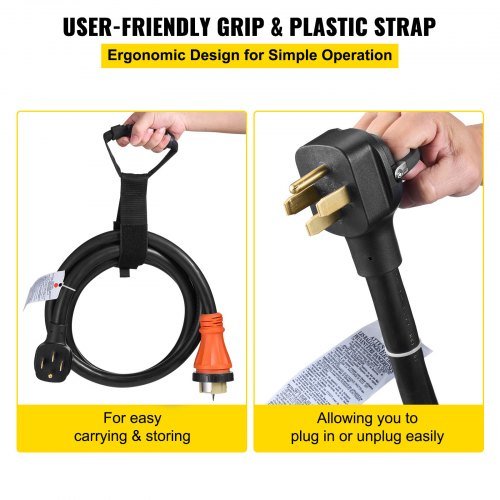
Are you tired of dealing with unreliable generator performance? One of the hidden culprits could be cable corrosion.
Over time, exposure to harsh weather and environmental conditions can cause your generator cables to deteriorate, leading to unexpected failures when you need power the most. Imagine the frustration of a generator that won’t start just when you need it in a storm or during a critical job.
But don’t worry, you can prevent this! In this guide, you’ll discover simple and effective strategies to protect your generator cables from corrosion. Learn how a few proactive steps can save you from future headaches and ensure your generator is always ready to perform. Keep reading to empower yourself with knowledge that can extend the life of your generator and give you peace of mind.

Credit: www.amazon.com
Causes Of Cable Corrosion
Environmental factorsplay a big role in cable corrosion. Moisture from rain or humidity causes rust. Salt in the air near the sea makes corrosion worse. Dirt and dust trap moisture on cables, speeding damage. Cold weather can cause cracks, letting water inside.
Material qualityaffects how well cables resist corrosion. Low-quality metals rust faster. Good materials have protective coatings like zinc or plastic. These coatings stop water and air from reaching metal. Choosing cables with high corrosion resistancehelps them last longer.
Installation mistakescan cause cables to corrode early. Poor connections let water seep in. Bending cables too much breaks protective layers. Not sealing joints or ends leaves cables open to air and moisture. Proper installation with care reduces corrosion risk.
Choosing Corrosion-resistant Materials
Choosing materials that resist rust and corrosion helps keep generator cables safe and working longer. Metals like copper and aluminum with protective coatings reduce damage from moisture and air. This simple choice prevents costly repairs and power failures.
Types Of Protective Coatings
Protective coatingsshield cables from moisture and chemicals. Common types include:
- Polyurethane:Durable and flexible, good for outdoor use.
- Epoxy:Strong and waterproof, ideal for harsh conditions.
- Rubber-based:Offers good resistance to abrasion and water.
- PVC (Polyvinyl Chloride):Affordable and resists many chemicals.
Best Cable Materials
| Material | Corrosion Resistance | Use Case |
|---|---|---|
| Copper | High | Good for most environments, conducts well |
| Aluminum | Moderate | Lighter, best for dry areas |
| Stainless Steel | Very High | Used in harsh, wet conditions |
Insulation Options
- Cross-linked polyethylene (XLPE):Strong, heat-resistant, and water-resistant.
- Thermoplastic elastomer (TPE):Flexible and good for cold weather.
- Rubber insulation:Provides good protection against moisture and wear.
- Silicone:Excellent for high temperatures and flexible use.
Proper Installation Techniques
Sealing and waterproofingare key to stopping water from reaching cables. Use high-quality waterproof sealantsaround cable joints and connectors. Wrap exposed parts with waterproof tapeor heat shrink tubing. This helps keep moisture out and prevents rust.
Avoiding mechanical damagekeeps cables safe. Protect cables from sharp edges and heavy objects. Use cable traysor conduit to shield cables from impact. Secure cables firmly to stop them from moving and rubbing against surfaces.
Correct routing practicesreduce wear and tear. Route cables away from areas with strong chemicals or extreme heat. Keep cables off the ground to avoid dirt and water. Use gentle bends to stop stress and cracks in the cable insulation.
Regular Maintenance Practices
Regular checks are key to spotting signs of corrosionearly. Look for discoloration, rust, or frayed wires. Use a flashlight and magnifier for better inspection. Keep records of each check to track changes over time.
Cleaning cables gently removes dirt and moisture. Use a soft cloth and mild detergent. Avoid harsh chemicals that can damage the cable. Dry cables fully before reconnecting to prevent moisture buildup.
Fix damaged cables quickly to stop corrosion spread. Replace worn parts and tighten loose connections. Use protective coatings or sprays to shield cables from water and air exposure. Prompt repairs extend cable life and keep generators safe.
Using Protective Accessories
Cable glandsand boots help keep moisture and dust out. They fit tightly around cables to stop water and dirt from causing rust.
Conduits and trunkingprotect cables from physical damage and wet conditions. These covers block rain and chemicals, which cause corrosion. Using them extends cable life.
Corrosion inhibitorsare special liquids or sprays. They form a thin, protective layer on metal parts. This layer stops rust and keeps cables working well for longer.

Credit: www.amazon.com
Environmental Control Measures
High humiditycauses moisture to build up on cables, leading to rust. Use dehumidifiersor air conditioners to keep air dry in generator rooms. Good ventilation helps air move and stops dampness.
Keep the temperature steady. Too hot or too cold can weaken cable insulation. Avoid places where heat from machines or sunlight is strong. Use insulation or covers to protect cables from extreme heat.
Chemicals like oils, acids, and cleaning agents can damage cable surfaces. Store cables away from areas where these chemicals are used or spilled. Use protective wraps or coatings to stop chemical contact.
Credit: www.stromtrooper.com
Frequently Asked Questions
What Causes Generator Cable Corrosion?
Generator cable corrosion is mainly caused by moisture, salt, and chemicals. These elements penetrate cable insulation, damaging metal conductors and reducing conductivity. Exposure to harsh weather and poor cable maintenance accelerate corrosion, leading to electrical failures and safety hazards.
How Can I Protect Generator Cables From Moisture?
Use waterproof cable enclosures and sealants to keep moisture out. Regularly inspect cables for cracks or damage. Apply corrosion-resistant coatings on metal parts and ensure proper cable routing away from water sources.
What Materials Resist Generator Cable Corrosion Best?
Copper and aluminum cables with protective PVC or rubber insulation resist corrosion well. Additionally, cables with tinned copper conductors offer extra protection against oxidation and rust in harsh environments.
How Often Should Generator Cables Be Inspected For Corrosion?
Inspect generator cables at least twice a year, especially before and after harsh weather seasons. Frequent checks help detect early corrosion signs, preventing costly repairs and downtime.
Conclusion
Preventing generator cable corrosion helps keep your equipment safe and working. Clean cables regularly and check for damage or rust. Use protective coatings to stop moisture and dirt. Store cables in dry places away from harsh weather. Simple steps can extend your generator’s life and avoid costly repairs.
Stay proactive and keep your cables in top shape. Small efforts now save big problems later. Protect your investment with these easy tips.