Is your generator cable showing signs of wear and tear? You might not realize it, but these cables are crucial to keeping your generator running smoothly and safely.
Ignoring cable issues can lead to costly repairs or even dangerous situations. But don’t worry—there are simple steps you can take to prevent these problems before they start. By understanding how to care for your generator cables, you can save money, enhance safety, and extend the lifespan of your equipment.
We’ll walk you through practical tips and tricks that are easy to implement, ensuring your generator is always ready when you need it most. Keep reading to discover how you can protect your investment and gain peace of mind.
Common Causes Of Cable Wear
Environmental factorscan cause cables to wear out fast. Sunlight can make the cable cover dry and crack. Water or moisture leads to rust and damage inside the cable. Dirt and dust can also get inside and cause problems.
Mechanical stresshappens when cables bend or stretch too much. Heavy machines or vehicles can press on cables and hurt them. Sharp edges or rough surfaces can cut or scrape the cable cover.
Improper handlingspeeds up cable damage. Pulling cables hard or twisting them causes breaks inside. Storing cables in tight coils or in places with high heat can weaken them. Not checking cables for damage can lead to bigger problems later.
Choosing The Right Cable
Choose cables made from durable materialslike copper or aluminum. Copper offers better conductivity and lasts longer. Aluminum is lighter but may wear out faster. Pick the material that suits your generator’s power needs.
Correct cable thicknesshelps prevent overheating. Thicker cables carry more current safely. Measure the length carefully too. Longer cables may need to be thicker to avoid power loss.
| Weather Condition | Cable Feature Needed |
|---|---|
| Rain or Moisture | Water-resistant or waterproof insulation |
| Sunlight Exposure | UV-resistant outer layer |
| Cold Temperatures | Flexible insulation to prevent cracking |
Weather resistanceis key for outdoor use. Use cables with proper insulation for rain, sun, and cold. This helps the cable last longer and stay safe.
Proper Installation Techniques
Securing cables correctlyhelps prevent damage and keeps them safe. Use cable ties or clamps to hold cables firmly in place. Avoid letting cables hang loose where they can get caught or pulled.
Avoiding sharp bendsis important. Sharp bends cause stress and can break the wires inside. Keep cables straight or use wide, smooth curves to reduce wear.
Using protective conduitsshields cables from dirt, water, and physical damage. Plastic or metal conduits provide a strong layer of protection. They also help organize cables and make maintenance easier.

Credit: backupwatt.com
Routine Maintenance Practices
Regular inspectionshelp catch cable damage early. Check cables for cracks, cuts, or worn spots. Look for loose connections and signs of overheating. Inspect the cable jacket for stiffness or brittleness. Spotting issues early stops bigger problems.
Cleaning and lubricationkeep cables flexible and safe. Remove dirt, dust, and moisture from cable surfaces. Use a soft cloth or brush for cleaning. Apply lubricant designed for electrical cables to prevent drying out. This reduces friction and wear during use.
Replacing damaged sectionsprevents failures and hazards. Cut out any damaged cable parts immediately. Use proper tools and connectors for replacements. Always match the cable type and size to the original. This keeps the generator running safely and smoothly.
Storage And Handling Tips
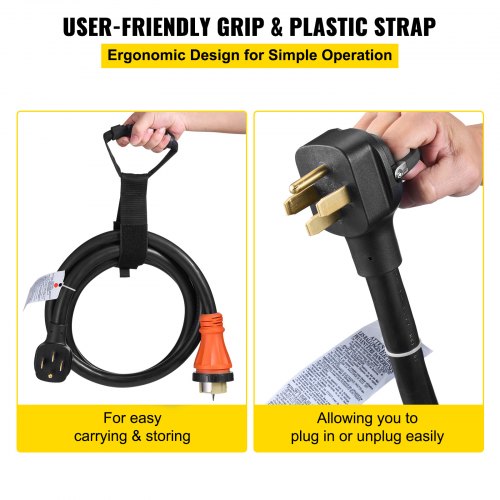
Coil the generator cable loosely to avoid tight bends. Tight coils can cause internal wire damage. Uncoil the cable carefully to prevent kinks and twists. Use a cable reel if possible for easy handling. Avoid dragging the cable on rough surfaces to reduce abrasion.
Transport cables in a sturdy container or bag. Protect cables from sharp objects that can cut or puncturethem. Secure cables during transport to prevent tanglingand damage. Avoid placing heavy items on top of cables, which can cause crushing.
Store cables away from direct sunlight to stop UV damage. Keep cables dry to prevent corrosion. Avoid storing cables near chemicals or oils that can degrade insulation. Store in a cool, ventilated space to maintain flexibility.
Using Accessories For Protection
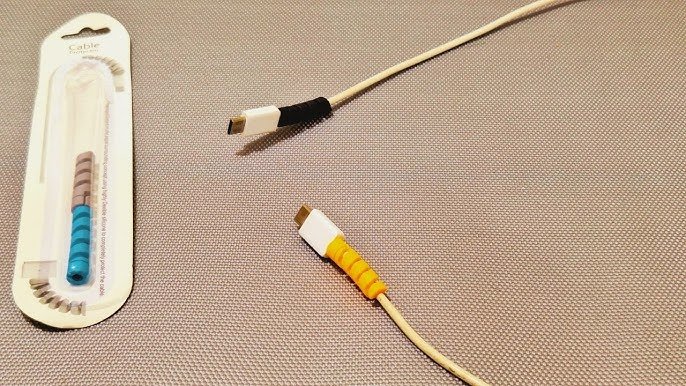
Cable covers and guardsprotect generator cables from cuts and dirt. They stop damage from foot traffic and vehicles. These covers are easy to place over cables and keep them safe outside. Using guards helps extend cable life and avoid expensive repairs.
Strain relief devicesprevent cables from bending or pulling at connection points. These devices reduce stress on cables and stop breaks. They keep cables stable and secure, especially where cables meet plugs or sockets.
- Cable ties and organizerskeep cables neat and tangle-free.
- They stop cables from twisting and wearing out.
- Using ties also helps in easy cable management and storage.
Safety Measures To Follow
Electrical safetyis key to preventing generator cable damage. Always use cables with the correct ratingfor the generator’s power. Check cables regularly for cuts, cracks, or wear. Avoid running cables across sharp edges or areas with heavy foot traffic.
Preventing overloadingprotects cables and the generator. Never connect more devices than the generator can handle. Use a power meteror check the generator’s label for maximum load. Overloading causes cables to heat upand wear out faster.
Emergency procedureskeep everyone safe and cables intact. Switch off the generator immediately if cables spark or smell burnt. Keep a fire extinguishernearby. Train everyone on safe shutdown steps to stop accidents quickly.
Credit: www.vevor.ca
Credit: expertelectric.ca
Frequently Asked Questions
How Can I Protect Generator Cables From Physical Damage?
Use cable conduits or protective covers to shield generator cables. Avoid sharp bends and keep cables away from heavy foot traffic or machinery to prevent cuts and abrasions.
What Maintenance Prevents Generator Cable Wear And Tear?
Regularly inspect cables for cracks, frays, or exposed wires. Clean cables and connectors to remove dirt and moisture that cause deterioration.
Why Is Proper Cable Installation Important For Generators?
Correct installation reduces stress and bending on cables, preventing premature wear. It ensures reliable power transmission and prolongs cable life.
How Does Environmental Exposure Affect Generator Cables?
Sunlight, moisture, and temperature changes degrade cable insulation over time. Use weather-resistant cables and protective coatings to minimize environmental damage.
Conclusion
Protecting generator cables saves money and prevents downtime. Regular checks catch problems early. Keep cables clean and dry to avoid damage. Use proper storage to stop bending and twisting. Choose quality cables made for your generator’s power. Small steps lead to longer cable life and safer use.
Remember, simple care keeps your equipment running smoothly. Stay attentive and avoid costly repairs or replacements. Your generator will thank you with reliable power every time.