
Imagine your generator as the heart of your power system. Just like any vital organ, it needs proper care to keep running smoothly.
You rely on your generator for backup power during outages, ensuring your home or business stays operational. But what happens when the engine starts to wear down? This is where understanding how to prevent generator engine wear becomes crucial. You might wonder why your generator seems to lose efficiency over time or why it doesn’t start as easily as it once did.
By learning a few simple yet effective strategies, you can extend the life of your generator, improve its performance, and save money on costly repairs. Are you ready to discover the secrets to keeping your generator in top shape? Read on to uncover essential tips that will transform how you maintain your equipment.
Causes Of Generator Engine Wear
Friction and heatinside the engine cause parts to wear down quickly. Metal parts rubbing together create heat that breaks them. Proper cooling and lubrication help reduce this damage.
Contaminants and dirtenter the engine through air or fuel. These tiny particles scratch and harm engine parts. Using clean filters and regular maintenance keeps dirt away.
Improper lubricationmeans not enough oil or using the wrong type. This causes metal parts to rub without protection, increasing wear. Regularly check and change oil for engine health.
Overloading issueshappen when the generator runs beyond its capacity. This stresses the engine and causes faster damage. Avoid running heavy loads for long periods to prevent wear.
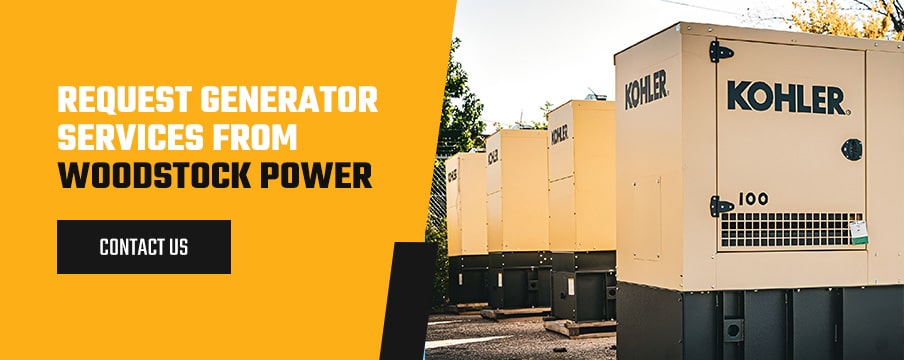
Credit: woodstockpower.com
Routine Maintenance Practices
Regular oil changes keep the engine parts lubricatedand reduce wear. Dirty oil causes frictionand damages the engine quickly.
Cleaning or replacing the air filter helps the engine breathebetter. A clean filter stops dust and dirt from entering the engine.
Fuel system checks ensure that fuel flows smoothly. Clogged fuel filters or dirty injectors can cause poor engine performance.
Inspecting spark plugs helps maintain good ignition. Worn or dirty plugs can cause misfires and hard starts.
Fuel Quality And Storage
Using clean fuelis key to keep your generator running well. Fuel with dirt or water can harm the engine. Always use fresh fuel and avoid old or stale fuel.
Proper fuel storagehelps maintain fuel quality. Store fuel in a cool, dry place. Use containers made for fuel and keep them sealed tight. Avoid storing fuel near heat or sunlight.
Avoiding fuel contaminationprotects the engine. Do not mix different fuel types. Keep fuel tanks and containers clean. Regularly check for water or dirt in the fuel before use.
Proper Operating Techniques
Start the generator and let it run for a few minutes before adding a load. This warm-up timehelps the engine oil circulate fully and protects engine parts. After use, allow the generator to run without load for some minutes to cool down. This prevents engine damage from sudden stops.
Never use the generator beyond its rated power. Overloadingcauses engine stress and leads to faster wear. Always check the load size before operating and keep it within limits.
Running the generator regularly, even without heavy use, keeps the engine parts lubricated and working well. This periodic runningalso prevents fuel from getting stale inside the engine.
Environmental Factors And Protection
Dust and debriscan cause serious engine damage. Cover the generator with a dust-proof shieldor store it inside a clean place. Regular cleaning helps remove particles that may enter the engine parts.
Extreme temperature and humiditycan wear out engine parts faster. Keep the generator in a place with stable temperature. Avoid areas that get too hot or too cold. High humidity can cause rust and corrosion. Use moisture absorbers or dehumidifiers if needed.
| Storage Condition | Why It Matters | Tips |
|---|---|---|
| Dry Environment | Prevents rust and corrosion | Use covers and dehumidifiers |
| Stable Temperature | Protects engine parts from stress | Avoid direct sunlight and freezing |
| Clean Area | Stops dust and dirt buildup | Store on shelves or pallets |
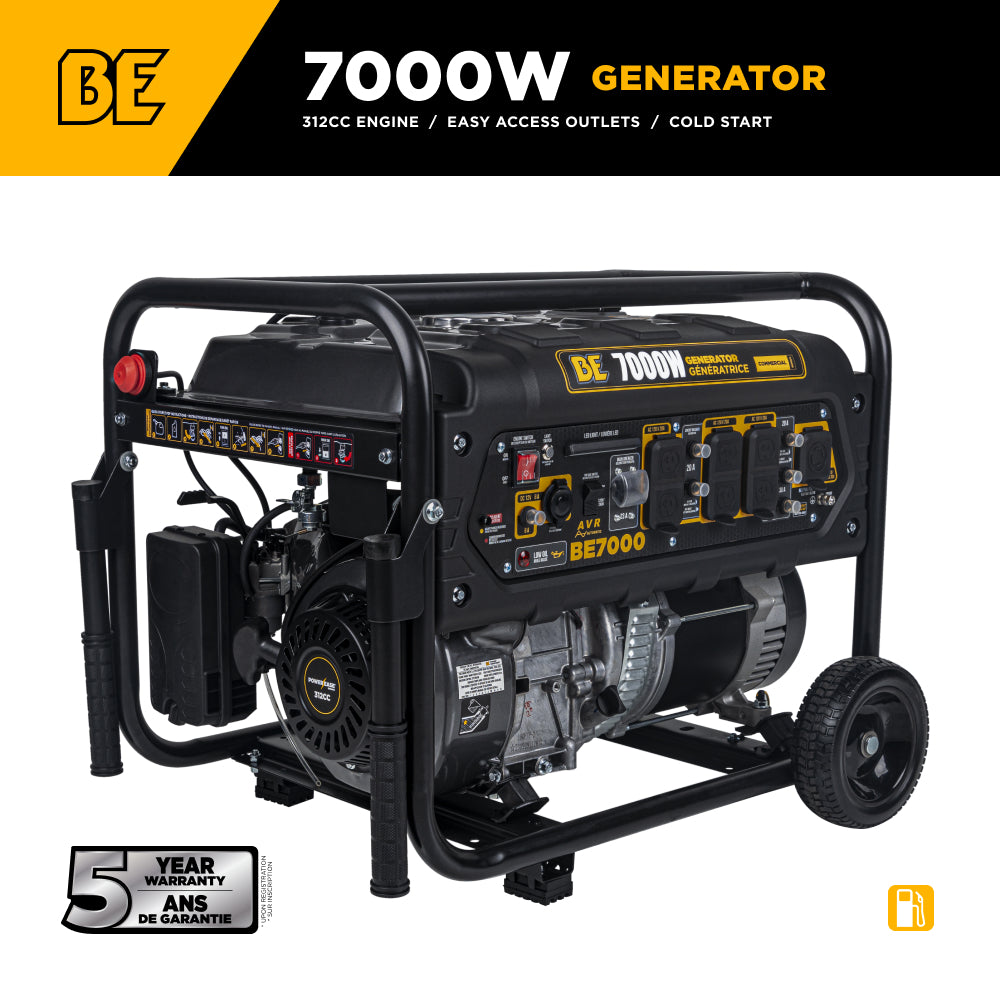
Credit: bepowerequipment.com
Signs Of Engine Wear To Monitor
Unusual noisesfrom the engine often signal wear. Sounds like knocking, rattling, or grinding need attention. These noises mean parts may be loose or damaged.
Smoke and exhaust changesare clear signs too. Thick, black, or blue smoke shows burning issues. A strong smell or unusual color can mean engine trouble.
Decreased performanceincludes slow starts, loss of power, or rough running. The engine may stall or hesitate during use. This points to wear inside the engine.
Increased fuel consumptionis another warning. Using more fuel than usual means the engine is not running efficiently. It may need inspection or repair.
When To Seek Professional Service
Regular scheduled engine overhaulshelp keep generators running smoothly. These overhauls check parts for wear and replace them before failure. This prevents costly breakdownsand extends engine life.
Diagnosing complex issues requires expert knowledge and special tools. Some problems may not be visible but can affect engine health. Professionals can find and fix these problems quickly, avoiding damage.
Ensuring warranty compliance is important. Many warranties require service by authorized technicians. This keeps the warranty valid and protects your investment. Always keep service records for proof.
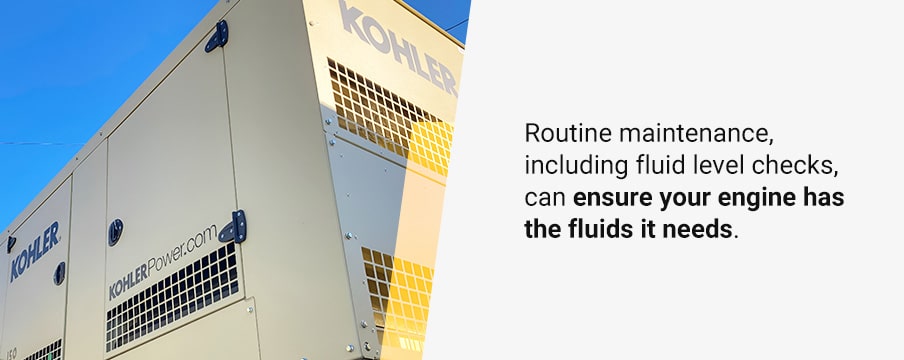
Credit: woodstockpower.com
Frequently Asked Questions
How Often Should I Service My Generator Engine?
Regular servicing every 100-200 hours of use or annually helps prevent engine wear. Timely oil changes and filter replacements keep the engine clean and efficient, reducing damage from dirt and debris.
What Type Of Oil Is Best For Generator Engines?
Use high-quality synthetic or SAE 10W-30 oil for most generators. This oil provides excellent lubrication, reduces friction, and protects engine parts from wear under varying temperatures.
How Does Proper Fuel Management Prevent Engine Wear?
Using clean, fresh fuel prevents clogging and corrosion. Always store fuel properly and drain old fuel to avoid buildup that can damage engine components.
Why Is Regular Cleaning Important For Generator Longevity?
Cleaning removes dust, dirt, and debris that cause abrasion and overheating. Keeping the engine clean improves cooling efficiency and prevents premature wear of engine parts.
Conclusion
Taking care of your generator engine helps it last longer. Regular checks and clean oil keep parts working well. Avoid running the engine too hard or too long. Use good fuel and change filters on time. Small steps protect your engine from wear and tear.
Save money and stress by keeping your generator healthy. A well-maintained engine means power when you need it most. Simple habits make a big difference over time. Keep your generator ready for any situation.