
Imagine relying on your generator during a crucial moment, only to find it sputtering and failing. This is often due to something as sneaky as fuel contamination.
You might not think about it often, but keeping your generator fuel clean is essential for its performance and longevity. The good news? Preventing fuel contamination is easier than you think. You’ll discover simple yet effective strategies to ensure your generator runs smoothly when you need it most.
We’ll guide you through everything you need to know, helping you avoid costly repairs and downtime. Ready to keep your generator in top shape? Let’s dive in!
Causes Of Fuel Contamination
Water ingresshappens when water enters the fuel tank. This can cause fuel to break down and damage the generator. Water may come from rain, condensation, or leaks in the tank. Small amounts of water can cause rust and corrosion inside the tank.
Dirt and debrisenter the fuel through dirty containers, bad filters, or dusty environments. These particles clog the fuel system and reduce engine performance. Keeping the fuel clean is key to smooth generator work.
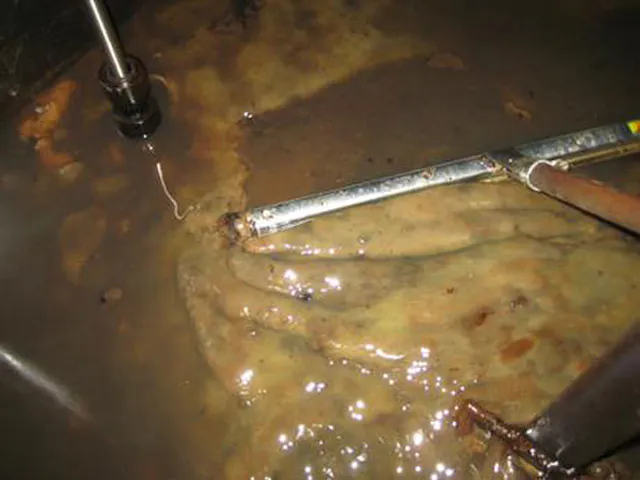
Microbial growthhappens when bacteria and fungi grow in fuel, especially diesel. These microbes form sludge that blocks filters and pipes. Warm and moist conditions speed up this growth. Regular cleaning and using additives can stop microbes.
Credit: powerlinkenergy.com
Choosing The Right Fuel
Choosing the right fuel is key for preventing generator fuel contamination. Always check the fuel quality standardsto ensure purity. Use fuel that meets the recommended ASTM or ISO standards. Poor quality fuel can cause clogsand damageto your generator.
Proper fuel storage helps keep fuel clean and fresh. Store fuel in clean, sealed containersthat protect it from waterand dirt. Keep storage areas cooland dryto prevent moisture buildup. Avoid storing fuel for long periods; use fuel stabilizers if needed.
| Fuel Quality Standards | Proper Fuel Storage Tips |
|---|---|
| Meets ASTM or ISO standards | Use clean, sealed containers |
| Low sulfur content | Store in cool, dry place |
| Free of water and dirt | Protect from moisture and air |
| Fresh fuel recommended | Use stabilizers for long storage |
Fuel Storage Best Practices
Clean storage tankshelp keep fuel free from dirt and water. Always empty and clean tanks before refilling. Use filters to stop debris from entering the tank. This keeps the fuel fresh and safe for use.
Regular tank inspectioncan catch problems early. Look for rust, leaks, or cracks. Check the seals and lids to ensure they are tight. Fix any damage right away to avoid fuel contamination.
Temperature and humidity controlare key to stopping moisture build-up. Store fuel tanks in cool, dry places. Avoid direct sunlight and extreme heat. Use dehumidifiers or ventilation if needed to keep air dry.
Fuel Handling Tips
Use clean, dry containersto store and transfer fuel. Dirty containers can cause fuel contamination. Always label containers to avoid mixing fuels.
Keep fuel containers separate to avoid cross contamination. Never use one container for different fuel types. Clean containers before refilling.
Follow safe refueling procedures. Turn off the generator before refueling. Use a funnel to avoid spills. Refuel in a well-ventilated area.
Regular Fuel Testing
Sampling fuel correctly is importantto get accurate test results. Use clean containers and take samples from different parts of the fuel tank. Avoid air bubbles and dirt while collecting samples. Store samples in cool, dark places until testing.
| Common Fuel Tests | Purpose | What to Check |
|---|---|---|
| Water Content Test | Detects water in fuel | Water causes corrosion and poor engine performance |
| Microbial Test | Checks for bacteria and fungi | Microbes can clog filters and damage fuel |
| Contamination Test | Measures dirt and debris | Contaminants reduce fuel efficiency and harm engines |
| Fuel Stability Test | Assesses fuel quality over time | Unstable fuel can form gums and sludge |
Test results show if fuel needs treatment or replacement. Look for signs of water, microbes, or dirt. Clear fuel means safe to use. Cloudy or smelly fuel means problems. Act fast to avoid engine damage.
Fuel Treatment Solutions
Fuel additiveshelp keep generator fuel clean and fresh. They stop fuel from breaking down and forming gums. These additives improve fuel stability and reduce deposits inside the engine.
Biocide treatmentskill bacteria and fungi that grow in fuel tanks. These microbes cause fuel contamination and clog filters. Using biocides keeps the fuel safe and the engine running smoothly.
| Filtration System | Purpose | Benefits |
|---|---|---|
| Fuel Filters | Remove dirt and particles | Protect engine parts from damage |
| Water Separators | Remove water from fuel | Prevent corrosion and poor combustion |
| Inline Filters | Filter fuel before engine use | Ensure clean fuel supply |
Maintenance Of Generator Fuel System
Cleaning fuel filtersregularly helps keep dirt and water out. Dirty filters reduce engine power and cause damage. Change filters as the manual says. Use clean tools and containers to avoid adding dirt.
Inspecting fuel linesis key to spotting cracks or leaks early. Leaks let dirt and water enter the system. Check lines for wear or loose fittings. Replace any damaged parts quickly to avoid fuel contamination.
| Scheduled System Checks | Details |
|---|---|
| Fuel Quality Testing | Check fuel for water and dirt regularly |
| Tank Cleaning | Remove sludge and water from fuel tanks |
| System Flushing | Flush fuel lines and filters to clear debris |
| Regular Maintenance | Follow maintenance schedule strictly |

Credit: www.premium-electric.ca
Credit: www.ecmweb.com
Frequently Asked Questions
How Can I Prevent Generator Fuel Contamination?
Store fuel in clean, sealed containers away from moisture and dirt. Regularly inspect and clean fuel tanks. Use fuel stabilizers to keep fuel fresh and avoid long storage periods.
Why Is Fuel Contamination Harmful To Generators?
Contaminated fuel can clog filters and damage engine components. It reduces generator efficiency and may cause unexpected breakdowns or costly repairs.
How Often Should I Check Generator Fuel Quality?
Check fuel quality before each use, especially after long storage. Inspect for water, debris, or discoloration to ensure optimal generator performance.
What Are The Signs Of Contaminated Generator Fuel?
Signs include engine sputtering, hard starts, reduced power, and unusual exhaust smoke. These indicate possible water, dirt, or microbial growth in fuel.
Conclusion
Preventing generator fuel contamination keeps your equipment running well. Clean fuel means fewer repairs and longer engine life. Store fuel in tight, clean containers away from dirt and water. Regularly check and replace old fuel to avoid problems. Simple steps save money and stress later.
Take care of your generator fuel to ensure reliable power when needed. Small efforts today prevent big troubles tomorrow.