If you own a generator, you know how important it is to keep it running smoothly. One big problem you want to avoid is fuel leaks.
Fuel leaks can be messy, dangerous, and costly to fix. But what if you could stop leaks before they happen? You’ll discover simple, effective ways to prevent generator fuel leaks. By following these tips, you’ll protect your generator, your property, and your peace of mind.
Keep reading to learn how to keep your fuel where it belongs—safe inside your generator.
Common Causes Of Fuel Leaks
Worn out seals and gasketscan cause fuel to leak from the generator. Over time, these parts may crack or shrink. This allows fuel to escape, which is dangerous and wasteful.
Damaged fuel linesare another common cause of leaks. Fuel lines can get cut, cracked, or loose. This damage lets fuel drip or spray out, creating a fire risk.
Faulty fuel capsmay not close tightly. A loose or broken cap allows fuel to evaporate or spill. It also lets dirt and moisture enter the tank, causing more problems.
- Check seals and gaskets for cracks or wear.
- Inspect fuel lines for cuts or holes.
- Make sure fuel caps fit snugly and are not damaged.
Inspecting Your Generator Regularly
Perform visual checkson your generator to spot any signs of damage. Look for cracks, rust, or worn parts on the fuel tank and lines. Small leaks can start from tiny cracks or loose fittings. Check around fuel caps and connectors for any wet spots or stains.
Testing the fuel system helps find hidden problems early. Gently press fuel lines to see if they feel soft or brittle. Listen for unusual sounds like hissing, which could mean a leak. Run the generator and watch for fuel smells or drops under the unit.
Proper Fuel Storage Practices
Always use approved fuel containersdesigned for safe storage. These containers prevent leaks and spills effectively. Avoid using old or damaged containers as they can cause fuel leaksand pose safety risks.
Store fuel containers away from heat sourceslike heaters, stoves, or direct sunlight. Heat can increase pressure inside containers and lead to leaks or explosions. Keep the containers in a cool, dry placewith good ventilation.
- Use containers with tight-fitting caps.
- Label containers clearly to avoid confusion.
- Check containers regularly for cracks or damage.
- Keep fuel containers off the ground to prevent rust.

Credit: www.amazon.com
Safe Refueling Techniques
Always turn off the generatorbefore refueling. This prevents sparksthat can cause fire. Let the engine cool down to avoid fuel vapor ignition. Keep the area well-ventilated and away from flames.
Avoid overfillingthe fuel tank. Leave some space for fuel expansion. Overfilling can cause spills and leaks. Use a funnel or spout to pour fuel carefully. Wipe any spills immediately to keep the area clean.
Maintenance Tips To Avoid Leaks
Replacing old parts is key to prevent fuel leaks. Worn-out seals, hoses, and gaskets can cause leaks. Check these parts regularly and replace any that look cracked or brittle. Using parts made for your generator ensures a good fit and less chance of leaks.
Cleaning the fuel system keeps the generator running smoothly. Dirt and debris can clog fuel lines and filters, causing leaks or blockages. Flush the fuel tank and clean filters often. This helps fuel flow freely and reduces wear on parts.

Credit: www.reddit.com
Emergency Steps If A Leak Occurs
Turn off the fuel valve or close the main fuel line immediately. This stops more fuel from leaking and reduces fire risk. Locate the fuel shutoff switch near the generator or fuel tank. Keep a fire extinguisher nearby for safety.
Use absorbent materials like sand, kitty litter, or special spill pads to soak up spilled fuel. Avoid using water, as it can spread the fuel and increase danger. Place soaked materials in a sealed container for proper disposal.
- Wear gloves and eye protection to avoid contact with fuel.
- Ventilate the area by opening doors and windows.
- Dispose of fuel-soaked materials according to local rules.
- Never smoke or use open flames near spills.
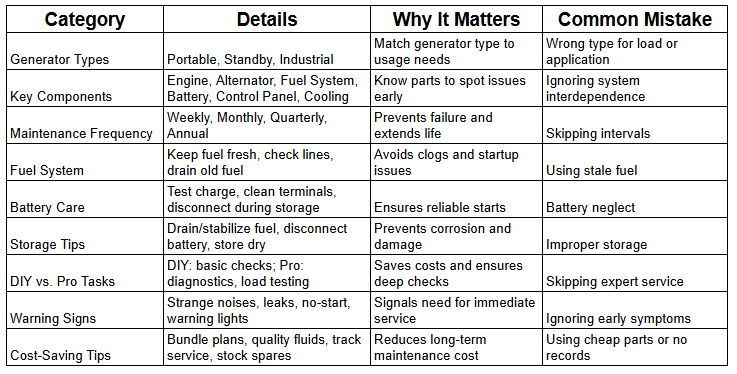
Credit: tikweld.com
Frequently Asked Questions
How Can I Detect Generator Fuel Leaks Early?
Inspect fuel lines regularly for cracks, corrosion, or wet spots. Use a flashlight to check hidden areas. Early detection prevents accidents and costly repairs.
What Maintenance Prevents Generator Fuel Leaks?
Perform routine checks on hoses, connections, and fuel tanks. Replace worn parts promptly. Clean the generator area to avoid dirt buildup that causes leaks.
Which Fuel Types Reduce Leak Risks In Generators?
Use high-quality, approved fuels like diesel or gasoline recommended by the manufacturer. Avoid contaminated or old fuel to minimize leaks and improve performance.
How Does Proper Storage Prevent Fuel Leaks?
Store fuel containers upright in a cool, dry place. Keep them sealed tightly to avoid evaporation and spills. Proper storage extends fuel life and prevents leaks.
Conclusion
Preventing generator fuel leaks keeps your equipment safe and efficient. Regular inspections help spot early signs of trouble. Use quality parts and follow the manufacturer’s guidelines. Proper storage and handling of fuel also reduce risks. Always address leaks immediately to avoid costly damage.
Keep an eye on hoses and seals for wear and tear. Maintenance is key. A well-maintained generator ensures reliability during emergencies. Stay proactive. Protect your investment and peace of mind with these simple steps. Safe operation begins with careful attention to detail.
Your generator’s health depends on it.