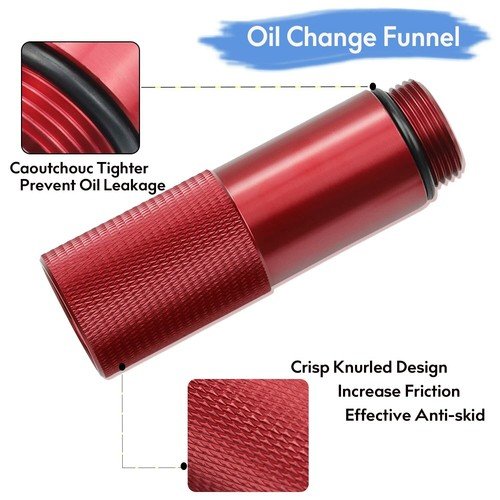
Struggling with oil leaks in your generator? You’re not alone.
A leaking generator can lead to costly repairs, downtime, and a whole lot of frustration. But what if you could nip this issue in the bud before it starts? With a few simple steps, you can safeguard your generator and keep it running smoothly.
Imagine the peace of mind knowing that your equipment is protected and performing at its best. Don’t let oil leaks disrupt your plans or drain your wallet. Ready to discover how you can prevent generator oil leakage and enjoy hassle-free operation? Let’s dive in!
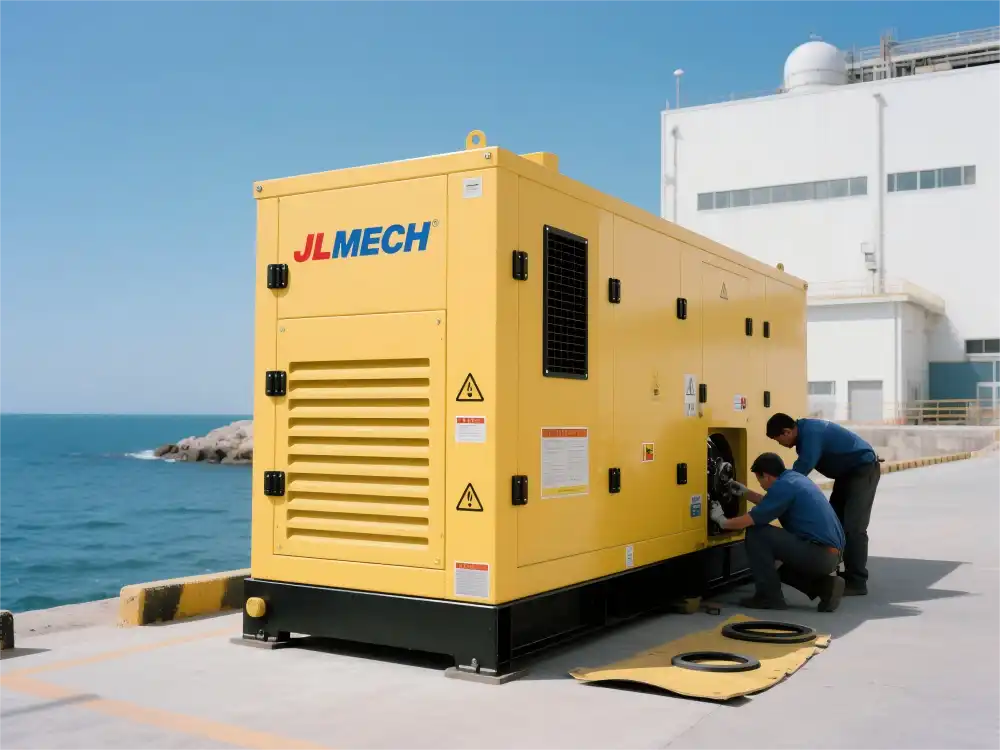
Credit: www.whjlmech.com
Common Causes Of Oil Leaks
Worn seals and gaskets lose their tight fit over time. This allows oil to leak out. Regular checks help find damage early. Replacing worn parts stops leaks quickly.
Drain plugs keep oil inside the generator. If they are loose or damaged, oil can escape. Tightening or changing plugs prevents leaks and keeps oil where it belongs.
Cracked oil pans are a common source of leaks. Cracks let oil drip slowly or fast. Inspecting the oil pan for cracks is important. Fixing or replacing cracked pans stops leaks.
Oil filters must be installed correctly. Poor installationcauses oil to drip from the filter area. Checking the fit and seal of the filter helps prevent leaks.
Credit: www.bisonindustry.com
Signs Of Oil Leakage
Visible oil spotsnear or under the generator show leaks. These spots appear as wet or dark stains on the floor or machine parts. Regularly check the ground below the generator for these marks.
Unusual engine smokecan signal oil burning inside the engine. Smoke might be blue or gray. This happens when oil leaks into the engine combustion area.
Decreased oil levelsin the generator’s oil tank mean oil is leaking or burning off. Check the oil level often using the dipstick or oil gauge. Low oil can harm the engine.
Burning oil smellnear the generator is a sign of oil leakage. The smell comes from oil touching hot engine parts. This needs quick attention to prevent damage or fire.
Routine Maintenance Tips
Regular oil checks help spot leaks early. Check oil level and color often. Dark or dirty oil means change soon. Use the right oil type for your generator.
Proper filter replacement keeps oil clean. Change filters as the manual says. Dirty filters block oil flow and cause leaks.
Tightening bolts and plugs stops oil from dripping. Check them regularly. Use a wrench but do not over-tighten. Loose parts let oil escape.
Cleaning the generator exterior removes dirt and oil build-up. Use a cloth and mild cleaner. This helps spot leaks faster and keeps parts working well.
Effective Repair Techniques
Replacing seals and gaskets stops oil from leaking out. Old seals get hard and crack. New seals fit tightly and block oil flow. Gaskets also create a strong seal between parts. Check them often and replace when worn.
Fixing cracks and holes is key to prevent leaks. Small cracks can be sealed with special glue or epoxy. Bigger holes may need patching or part replacement. Always clean the area before fixing for better hold.
Using leak sealants helps stop small oil leaks fast. These sealants fill tiny gaps and cracks inside the engine. They are easy to apply and work well for minor leaks. Follow product instructions carefully for best results.
| Professional Servicing Options | Benefits |
|---|---|
| Full engine inspection | Finds hidden leaks and worn parts |
| Seal and gasket replacement | Ensures tight and lasting seals |
| Advanced leak repair | Fixes cracks and holes properly |
| Oil system cleaning | Removes dirt and improves seal |
Preventive Measures For Longevity
Choosing quality oilis key to prevent leaks. Use oils made for generators. Cheap oils can cause damage and leaks. Check the oil’s grade and brand for reliability.
Avoiding overfillinghelps stop spills and leaks. Only fill oil to the level marked on the dipstick. Overfilled oil can build pressure and cause leaks from seals.
Operate the generator within recommended hours. Long running times heat up the engine and oil. This can wear down seals and cause leaks. Rest the machine as advised in the manual.
Storing generators properlyprevents damage and leaks. Keep it in a dry, cool place. Avoid areas with dust or moisture. Always drain or check oil before storage to avoid thickening or sludge.

Credit: www.youtube.com
Frequently Asked Questions
How Can I Detect Generator Oil Leakage Early?
Check for oil spots under the generator regularly. Inspect oil levels and look for unusual engine smoke. Early detection prevents damage and costly repairs.
What Causes Generator Oil Leaks Most Often?
Common causes include worn gaskets, loose bolts, and damaged seals. Overfilled oil or cracked engine parts also lead to leaks.
How Frequently Should I Inspect Generator Oil Seals?
Inspect oil seals every 3 to 6 months. Regular checks help identify wear and prevent leaks before they worsen.
Can Using The Wrong Oil Cause Leakage?
Yes, incorrect oil viscosity or type can damage seals. Always use manufacturer-recommended oil to maintain proper sealing.
Conclusion
Preventing generator oil leaks saves money and extends engine life. Check seals and gaskets often for cracks or wear. Tighten bolts and replace damaged parts quickly. Use the right oil type and change it regularly. Keep the generator clean and dry to spot leaks early.
Routine care avoids big problems later. Small steps lead to big results. Protect your generator by staying alert and acting fast.