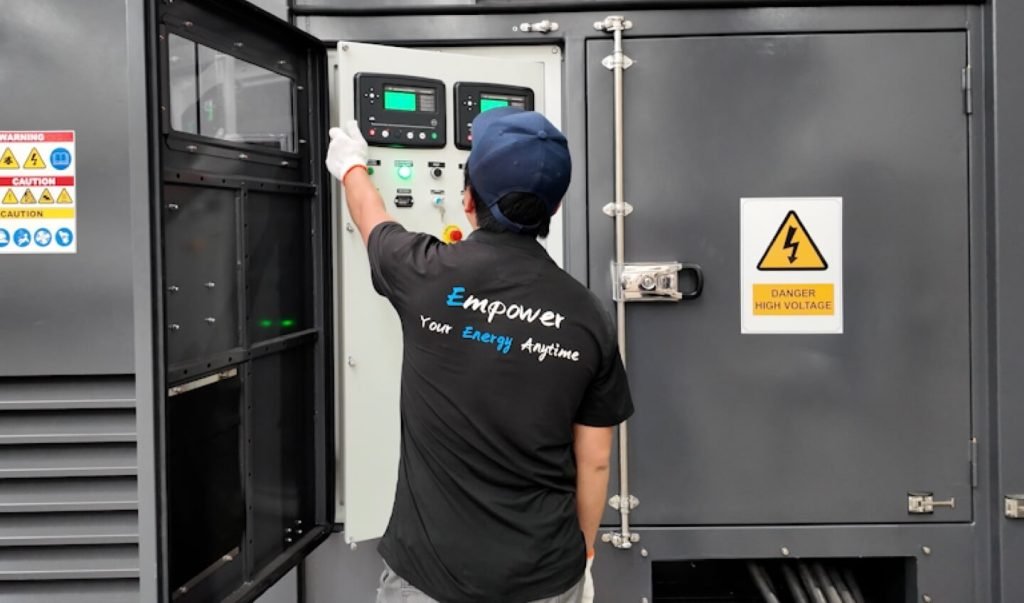
Imagine your generator shutting down in the middle of a crucial moment due to overheating. Frustrating, right?
You rely on your generator to keep things running smoothly. But what if there’s a way to prevent this common issue and ensure your generator works flawlessly? Here’s a secret: the answer lies in using sensors. These high-tech tools can monitor your generator’s temperature and alert you before things get too hot to handle.
This blog post will reveal how you can use sensors to keep your generator cool and efficient. Stick around to discover simple steps that could save you from costly repairs and downtime. Ready to unlock the key to a stress-free power solution? Let’s dive in!

Credit: electrical-engineering-portal.com
Causes Of Generator Overheating
Generatorscan overheat due to several common heat sources. The engine produces heat while running. Friction in moving parts adds extra heat. Electrical components also generate warmth during operation. Poor cooling systems fail to remove this heat properly.
Environmental factorsplay a big role. High outside temperatures make cooling harder. Dust and dirt can block air vents. Moisture may cause corrosion, reducing cooling efficiency. Location matters; tight spaces trap heat, causing buildup.
Proper maintenancehelps prevent overheating. Regular oil changes reduce friction and heat. Cleaning air filters keeps airflow smooth. Checking coolant levels ensures the system works well. Tightening loose parts stops extra heat from friction.
Credit: naturesgenerator.com
Types Of Sensors For Temperature Monitoring
Thermocouplesare simple sensors that measure temperature using two different metals joined together. They create a small voltage when heated. This voltage shows the temperature. Thermocouples work well in very hot places. They are fast and easy to install.
Infrared Sensorsmeasure temperature from a distance. They detect heat by sensing infrared light. These sensors do not need to touch the generator. This makes them good for hard-to-reach spots. Infrared sensors can quickly spot hot parts before problems start.
Resistance Temperature Detectors (RTDs)use metal wires that change resistance with heat. The resistance change tells the exact temperature. RTDs are very accurate and stable over time. They work well in machines that need precise monitoring.
Sensor Placement Strategies
Place sensors near critical engine partslike the cylinder head and oil pan. These areas heat up fast and need close monitoring. Sensors here detect early signs of overheating.
Install sensors around the exhaust systemand cooling components. The exhaust pipe and radiator are key spots. They show if heat is rising or cooling is failing.
- Keep sensors away from direct contact with water or dirt.
- Use protective covers to prevent sensor damage.
- Check sensor signals regularly to avoid false alerts.
False readings can happen if sensors are placed near high vibration zones or electrical noise sources. Proper mounting and wiring reduce errors. This ensures accurate temperature data.
Integrating Sensors With Control Systems
Real-time monitoringuses sensors to track generator temperature constantly. It helps detect overheating early. Data from sensors feeds into control systems for quick action.
Automated shutdown mechanismsstop the generator automatically if sensors find high heat. This prevents damage and keeps the machine safe.
Alert systems and notificationssend messages to operators when temperature rises. This allows fast response and avoids serious problems.
Maintenance Tips To Complement Sensors
Regular cleaning helps keep your generator free from dust and dirt. Dust can block sensors and cause false readings. Inspect parts carefully for signs of wear or damage. Fix small issues before they become big problems.
Checking coolant levels is vital. Low coolant can cause the generator to overheat quickly. Always refill coolant as needed. Use the right type of coolant recommended by the manufacturer.
Proper ventilation allows heat to escape. Place the generator in a well-ventilated area. Avoid closed spaces that trap heat. Good airflow keeps the generator cool and sensors working well.

Credit: flpowersolutions.com
Benefits Of Using Sensors To Prevent Overheating
Sensors help increase generator lifespanby detecting heat early. They stop damage before it happens. This saves money on repairs and parts.
Downtime reducesbecause sensors alert quickly. Generators run longer without sudden breaks. This keeps work smooth and on time.
Safety improveswith sensors. They prevent fires and accidents by warning about high temperatures. People and equipment stay safe.
- Early heat detectionextends generator life
- Quick alertsreduce downtime and repair costs
- Temperature monitoringenhances safety measures
Frequently Asked Questions
What Sensors Detect Generator Overheating Early?
Temperature sensors and thermal probes monitor generator heat levels. They provide real-time data to prevent overheating damage. These sensors trigger alerts or shutdowns when temperatures exceed safe limits, ensuring safe operation.
How Do Sensors Improve Generator Safety?
Sensors continuously track temperature and performance metrics. They alert operators to abnormal heat, preventing failures and fires. This proactive monitoring extends generator lifespan and reduces maintenance costs effectively.
Can Sensors Prevent Costly Generator Repairs?
Yes, sensors detect overheating before severe damage occurs. Early warnings allow timely cooling or shutdown, avoiding engine damage. This preventive approach saves repair costs and minimizes downtime.
Which Sensor Types Suit Different Generators?
Thermocouples and infrared sensors fit most generators. Thermocouples measure direct contact temperatures, while infrared sensors detect heat remotely. Choosing the right sensor depends on generator size and environment.
Conclusion
Using sensors helps keep your generator cool and safe. These devices watch the temperature closely. They alert you before the generator gets too hot. This prevents damage and costly repairs. Sensors also improve your generator’s lifespan. Installing them is a smart, simple step.
Protect your investment and avoid downtime. Keep your generator running smoothly every time.