
Are you tired of dealing with moisture buildup in your generator enclosure? You’re not alone.
Excess moisture can wreak havoc on your generator, leading to costly repairs and frustrating downtime. But don’t worry, there’s good news. You can take simple, effective steps to keep moisture at bay and protect your investment. By understanding the causes of moisture buildup and implementing practical solutions, you can ensure your generator runs smoothly and efficiently, no matter the weather conditions.
Curious to find out how? Read on, and discover how you can keep your generator enclosure dry and your power supply reliable.

Credit: customskirting.com
Causes Of Moisture Buildup
Environmental factorslike rain, humidity, and temperature changes cause moisture buildup. Warm air inside the enclosure cools down, creating water droplets. Areas with high humidity see more condensation inside generators.
Generator operation effectsadd to the problem. Running the generator produces heat, which cools rapidly when turned off. This quick temperature drop creates moisture inside the enclosure. Exhaust gases can also increase humidity levels.
Enclosure design issuesmay trap moisture. Poor ventilation does not allow air to flow freely. Seals that are weak or damaged let water inside. Materials that absorb water increase dampness inside the enclosure.
Risks Of Moisture Accumulation
Moisture buildupinside generator enclosures can cause serious problems. It leads to corrosion and ruston metal parts. Rust weakens the structure and shortens the generator’s life.
Electrical systems are also at risk. Moisture causes electrical failuresby creating short circuits. This can stop the generator from working or cause damage.
Efficiency drops when moisture affects the generator. It makes the engine work harder and uses more fuel. This means reduced efficiencyand higher costs.
Ventilation Strategies
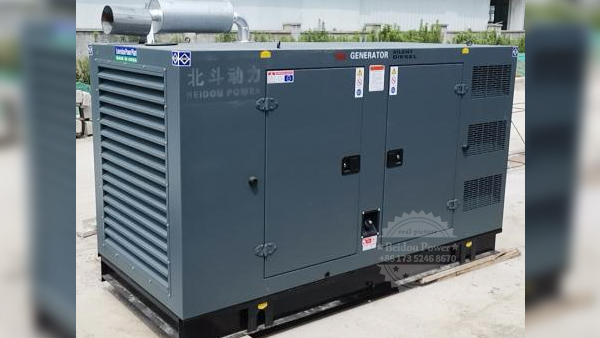
Natural ventilationuses open vents or louvers to let air flow freely. This helps remove moisture inside the enclosure. Placing vents low and high allows cool air in and warm, moist air out. It costs less and needs no power. But it depends on outdoor weather and wind.
Mechanical ventilationuses machines to move air in and out. It works well in closed spaces where natural airflow is weak. Fans or blowers push moist air outside and bring dry air inside. This keeps humidity low and stops condensation.
- Fans can run continuously or on a timer.
- Use exhaust fans to pull out moist air.
- Circulation fans spread air inside the enclosure.
- Choose fans sized for your enclosure volume.
Good air circulation prevents moisture buildup and protects the generator. Both natural and mechanical ventilation help keep the enclosure dry and safe.
Credit: www.bdgenerator.com
Dehumidification Methods
Portable dehumidifiersare easy to use and move inside the generator enclosure. They remove excess moisturefrom the air, keeping the space dry. These devices work well in small to medium enclosures. Regularly emptying the water tank is important to keep them running effectively.
Built-in dehumidification systemsare part of the generator enclosure design. They run automatically and require less manual work. These systems help maintain a constant low humidity level, which protects the generator from rust and corrosion. They are ideal for larger or permanent setups.
- Desiccant packsabsorb moisture without electricity.
- They are small and easy to place around the generator.
- Need regular replacement or drying to keep working.
- Best for adding extra moisture control in tight spaces.
Sealing And Insulation Tips
Weatherproof sealsblock moisture from entering the generator enclosure. Use high-quality rubber or silicone seals around doors and windows. Check seals often for cracks or damage. Replace worn-out seals quickly to keep moisture out.
Proper insulation materialshelp keep the enclosure dry. Use foam board or fiberglass insulation to reduce temperature changes inside. This stops condensation from forming on walls and ceilings. Insulation also protects the generator from cold or hot weather.
- Prevent air leaksby sealing gaps and holes.
- Use weatherstripping on all openings.
- Seal cable entries and pipe penetrations with caulk or foam.
- Check vents to make sure they have covers that block rain.
Credit: woodstockpower.com
Regular Maintenance Practices
Routine inspections help find moisture early. Check walls, seals, and vents for leaks. Look inside the enclosure for water drops or damp spots. Use a flashlight for better view.
- Clean moisture traps regularly to stop water build-up.
- Empty traps and dry them completely after cleaning.
- Use a soft cloth to avoid damage.
Check for damage around the enclosure. Cracks or holes let moisture inside. Repair any damage quickly to keep the generator dry. Tighten loose screws and replace worn seals.
Using Moisture Sensors
Moisture sensorshelp detect water in generator enclosures early. Different types of sensorssuit various needs. Humidity sensorsmeasure air moisture levels. Dew point sensorsfind the temperature when moisture forms. Water leak sensorsdetect liquid water directly.
Install sensors away from heat sources. Place them where moisture tends to collect. Use waterproof mounts to keep sensors safe. Avoid direct sunlight or heavy dust areas.
- Check sensor readings regularly to spot moisture early.
- Set up alerts for high humidity or water presence.
- Use alarms or phone notifications to warn quickly.
- Keep logs to track moisture trends over time.
Placement And Location Advice
Choosing the right spot for a generator enclosure helps stop moisture build-up. Avoid placing the enclosure in damp areas. These spots can cause water to collect, leading to rust and damage.
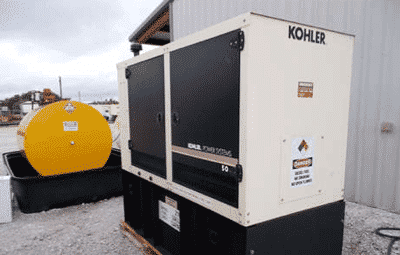
Use elevated platformsto keep the enclosure above wet ground. This stops water from seeping inside during rain or floods. It also helps air flow under the enclosure, keeping it dry.
Letting the enclosure get sunlighthelps reduce moisture. Sunlight warms the enclosure, making dampness evaporate faster. A sunny place is usually less humid, which keeps the generator safe.
Frequently Asked Questions
How Does Moisture Affect Generator Enclosures?
Moisture causes rust, corrosion, and electrical issues inside generator enclosures. It reduces the generator’s lifespan and efficiency. Preventing moisture buildup ensures reliable performance and safety of the generator system.
What Are The Best Materials For Generator Enclosures?
Materials like stainless steel and aluminum resist rust and moisture. These metals provide durability and protect against harsh weather. Using quality materials helps reduce moisture damage and prolongs the enclosure’s life.
How Can Ventilation Prevent Moisture Buildup?
Proper ventilation allows air circulation, reducing humidity inside the enclosure. It helps evaporate trapped moisture and prevents condensation. Installing vents or fans improves airflow and keeps the generator dry and safe.
Is Insulation Important For Moisture Control?
Yes, insulation stabilizes temperature and reduces condensation inside the enclosure. It prevents cold surfaces where moisture can form. Good insulation minimizes moisture risks and protects generator components effectively.
Conclusion
Preventing moisture buildup in your generator enclosure protects its parts and improves performance. Keep the area dry and well-ventilated. Use moisture absorbers or dehumidifiers for extra protection. Regularly check for leaks and fix them quickly. These steps help your generator last longer and work better.
Taking care now saves time and money later. Simple actions make a big difference. Stay ahead of moisture problems to keep your generator safe and reliable.