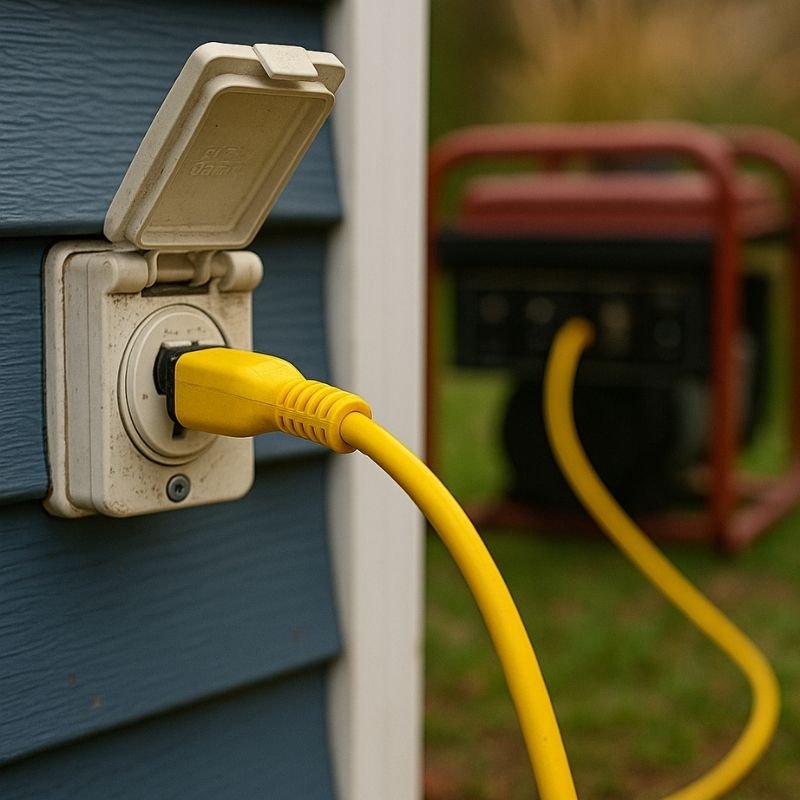
Are you worried about your generator extension cord getting too hot? Overheating can cause serious damage to your equipment and even create safety hazards.
But don’t worry—preventing this problem is easier than you think. You’ll discover simple, effective tips to keep your extension cord cool and working smoothly. Keep reading to protect your generator, save money, and stay safe every time you power up.
Causes Of Extension Cord Overheating
Excessive electrical loadcauses the cord to heat up quickly. Using a cord with a lower amp rating than needed leads to overheating. Always check the load capacity before use.
Poor cord qualitymeans thin wires or bad insulation. These cords cannot handle high power. Cheap cords break down and get hot faster.
Improper cord lengthcan cause problems too. Too long cords increase resistance, which creates heat. Use the shortest cord that fits your need.
Environmental factorslike heat, moisture, and dirt also affect cord safety. Hot or wet conditions make cords more likely to overheat. Keep cords dry and clean.
Choosing The Right Extension Cord
Choosing the right extension cord is key to prevent overheating. The gaugeof the wire affects how much current it can carry safely. Lower gauge numbers mean thicker wires, which handle more amps.
- Use a cord with the correct ampacityfor your generator’s power.
- Thicker cords reduce the risk of heat buildup.
Cord materialand insulationalso matter. Copper wires conduct electricity well and stay cooler. Insulation should resist heat and moisture to keep the cord safe.
Length plays a role too. Longer cords have more resistance, which can cause extra heat. Choose the shortest cord that reaches your generator to keep temperature low.
Safe Usage Practices
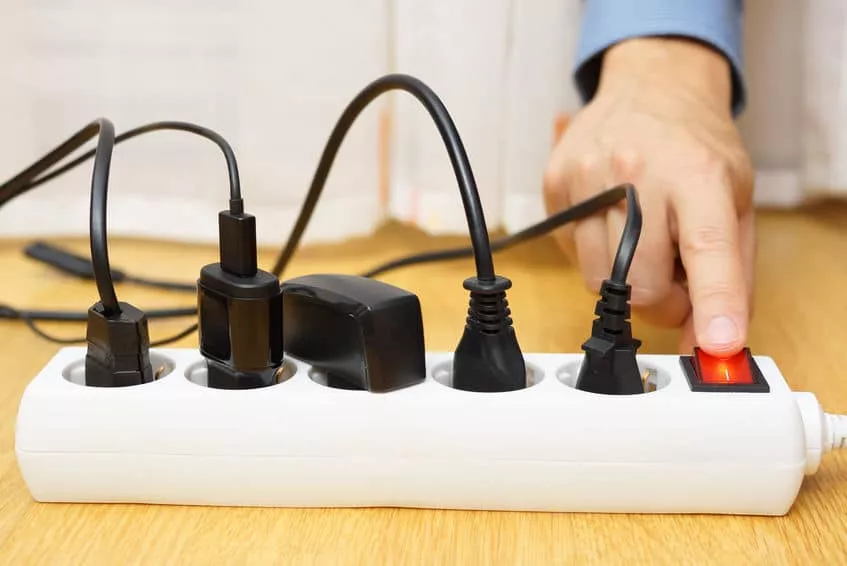
Avoid overloadingthe extension cord by connecting only devices within its power limit. Overloading causes excess heatand can damage the cord or generator. Use cords rated for the total wattage of all connected devices.
Ensure proper connectionby plugging cords fully and securely. Loose connections can create sparks and heat. Keep connectors dry and clean to avoid short circuits or corrosion.
| Inspection Area | What to Check | Frequency |
|---|---|---|
| Cord Surface | Look for cuts, cracks, or frays | Before each use |
| Connectors | Check for tight fit and no corrosion | Monthly |
| Generator Plug | Inspect for damage or overheating signs | Monthly |

Credit: tikweld.com
Cooling And Ventilation Tips
Keep the extension cord away from tight spaces. Tight spots can cause heat build-up. Place the cord in open areas for better air flow. Avoid putting the cord under rugs or heavy objects. These trap heat and raise temperature.
Use fans or vents near the cord if possible. This helps cool the cordduring use. Make sure the cord is not coiled too tightly. Coiling can stop heat from escaping.
| Placement Tips | Why It Helps |
|---|---|
| Keep cord off the ground | Allows air to flow underneath |
| Use cord holders or hooks | Prevents kinks and tight coils |
| Place near a window or fan | Improves ventilation and cooling |
| Avoid enclosed spaces | Reduces heat trapping |
Upgrading And Alternatives
Heavy-duty cordshave thicker wires to carry more current safely. These cords reduce the risk of overheatingby allowing better heat dissipation. They also have stronger insulation to protect against damage and wear. Choose cords that match the power ratingof your generator to avoid overloads.
Permanent wiringis a safe and reliable alternative to extension cords. It involves installing a dedicated circuit for the generator output. This wiring is usually done by a professional electrician. It reduces risks linked to loose connections and prevents heat buildup. Permanent wiring also offers better protection from weather and physical damage.
| Option | Benefits | Best Use |
|---|---|---|
| Heavy-Duty Cord | Thicker wires, stronger insulation, safer for high power | Temporary setups, outdoor use |
| Permanent Wiring | Stable connection, weather protection, reduces overheating risk | Long-term or frequent generator use |
Credit: www.premium-electric.ca
Emergency Measures For Overheating
Signs of overheatinginclude a warm or hot extension cord, smoke or burning smell, and discolorationon the cord or plug. The cord may also feel soft or meltedin spots. Noise like buzzing or crackling can signal trouble.
Immediate actionsinvolve unplugging the cordfrom both the generator and the device. Avoid touching the hot cord directly. Move the cord to a cool, dry placeto prevent fire. Check for damage and do not use the cord again until inspected or replaced.
- Turn off the generator immediately
- Disconnect the extension cord safely
- Allow the cord to cool before handling
- Inspect for any signs of damage
- Replace damaged cords to avoid risks

Credit: truegear.com.au
Frequently Asked Questions
What Causes Generator Extension Cords To Overheat?
Overheating occurs due to excessive current flow through undersized cords. Poor connections and long distances also increase heat. Using the wrong gauge or damaged cords raises resistance, leading to temperature rise and potential hazards.
How To Choose The Right Extension Cord Gauge?
Select a cord gauge based on the generator’s wattage and cord length. Thicker wires (lower gauge numbers) handle more current safely. Always refer to manufacturer guidelines to ensure proper sizing and prevent overheating risks.
Can Extension Cord Length Affect Overheating Risk?
Yes, longer cords increase resistance, causing voltage drop and heat buildup. Use the shortest possible cord length suitable for your setup. Choose a heavier gauge for longer runs to maintain safe operation and avoid overheating.
How To Inspect Cords To Prevent Overheating?
Regularly check for frays, cracks, or exposed wires. Ensure connections are tight and free from corrosion. Replace damaged cords immediately to avoid resistance spots that can cause overheating and fire hazards.
Conclusion
Keeping your generator extension cord cool is vital. Start with proper cord selection. Ensure it matches your power needs. Regular inspection helps spot damage early. Keep cords untangled to improve airflow. Avoid overloading to reduce heat buildup. Use a heavy-duty cord for high-demand tasks.
This prevents overheating. Store cords in a dry, cool place. Safety first. These steps help extend the life of your extension cord. They also ensure efficient power flow. Your equipment stays safe. And operational. With these simple precautions, enjoy a safer and more reliable power experience.