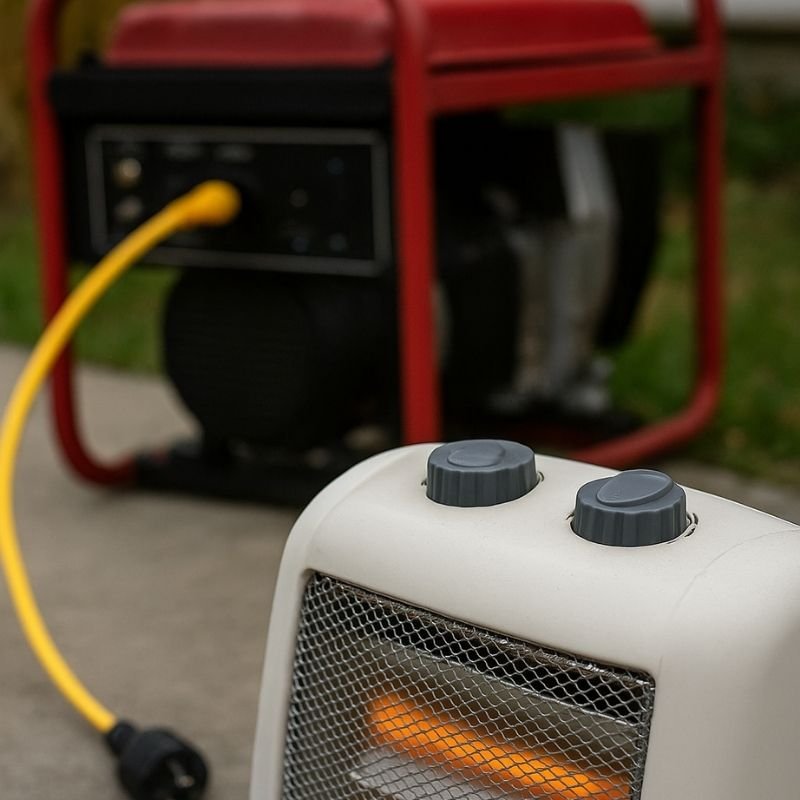
Picture this: a power outage has left you in the dark, and you’re relying on your trusty generator to bring light back into your world. But as you connect the generator cable, a sudden spark catches you off guard.
It’s a common scenario, but one that can be easily avoided with the right know-how. You’ve invested in a generator for peace of mind, so why let sparks ruin your experience? In this guide, you’ll discover simple yet effective steps to prevent sparks while connecting your generator cable, ensuring safety and peace of mind every time.
Imagine being able to connect your generator smoothly, without the fear of unexpected sparks. By the end of this article, you’ll be equipped with the knowledge to handle your generator with confidence, safeguarding both your equipment and your well-being. Ready to learn how to make your generator setup spark-free? Let’s dive in!
Causes Of Sparks In Generator Cables
Loose connectionscause sparks by allowing electricity to jump gaps. Tighten all cable ends securely to stop this.
Damaged insulationexposes wires and creates short circuits. Always check cables for cracks or tears before use.
Incorrect cable typecan overload wires and cause sparks. Use cables that match the generator’s power and voltage.
Moisture and dirtincrease the chance of sparks. Keep connectors clean and dry to ensure safe contact.
Choosing The Right Generator Cable
Choosing the correct cable gaugeis vital for safety. A thicker cable carries more current and reduces sparks. Keep cable length as short as possible to prevent voltage drops and overheating.
Insulation materialprotects against electric shock and short circuits. Look for cables with high-quality insulationlike rubber or PVC. These materials offer good protection and durability.
Weather resistanceis important for outdoor use. Select cables rated for rain, sun, and extreme temperatures. This prevents damage and reduces the risk of sparks caused by wear and tear.
Preparation Before Connecting
Turn off the main power before connecting the generator cable. This stops any current flow and prevents sparks. Always double-check that power is completely shut down.
Check cables and connectors carefully. Look for frayed wires, cracks, or dirt. Damaged cables can cause sparks or fire. Use only cables in good condition for safety.
Keep the work area dry and clean. Water or dirt can cause short circuits and sparks. Clear away any debris and wipe surfaces dry before starting.

Credit: truegear.com.au
Step-by-step Safe Connection Process
Align the connectors carefully to avoid sparks. Make sure the plugs fit straight without force. Bent or loose connectors cause sparks and damage.
Check the cable ends for dirt or moisture. Clean them if needed. Dry connectors reduce the risk of sparks and short circuits.
- Secure connections tightlyto prevent gaps.
- Loose connections cause electricity to jump, creating sparks.
- Use a firm grip to join cables fully.
Avoid connecting cables while the generator is running or live. Always turn off the generator before plugging in or unplugging. This stops sparks and electric shocks.
Wait a few seconds after turning off the generator before connecting cables. This allows the electricity to settle and reduces spark risks.
Using Protective Equipment
Using insulated gloveshelps stop electric shocks and sparks. They cover your hands with a protective layer that does not let electricity pass through. These gloves make sure your hands stay safe and dry.
Eye protectionis very important too. Sparks can fly and hurt your eyes. Wearing safety goggles blocks these sparks and keeps your eyes safe from injury.
Use non-conductive toolsmade from plastic or rubber. These tools do not carry electricity, so they reduce the chance of sparks. Metal tools can cause sparks if they touch live wires.
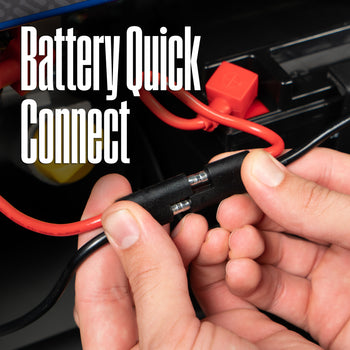
Credit: westinghouse.com
Regular Maintenance Tips
Routine cable inspections catch wornor damagedparts early. Check for cracks, frays, and corrosion. Look closely at the connectors and insulation.
Cleaning connectors keeps the connection safeand stable. Use a dry clothor a soft brushto remove dirt. Avoid water or wet cleaners to prevent sparks.
Replacing damaged components stops sparks before they start. Swap out frayed cablesor broken connectorsright away. Always use parts that fit your generator model.
Emergency Measures For Sparks
Cut off power immediatelyto stop sparks and avoid accidents. Use the main switch or generator switch to disconnect power. Never try to fix cables while electricity flows.
Keep fire safety tools nearby. Have a fire extinguisher ready and know how to use it. Avoid water on electrical fires; use a dry chemical extinguisher instead. Clear the area of flammable materials to reduce fire risk.
- Check cables for damage regularly.
- Wear insulated gloves when handling cables.
- Stand on dry ground to avoid shocks.
Call a professional if sparks keep appearing or if cables are damaged. Experts can safely inspect and repair your generator and cables. Do not take risks with electricity.

Credit: westinghouse.com
Frequently Asked Questions
How Can I Avoid Sparks When Connecting A Generator Cable?
Always turn off the generator and appliances before connecting cables. Use insulated gloves and ensure cables are dry and intact to prevent sparks.
Why Do Sparks Occur When Connecting Generator Cables?
Sparks happen due to sudden electrical current flow or loose connections. Properly securing cables and turning off power sources can reduce sparking risks.
What Safety Gear Is Essential For Connecting Generator Cables?
Wear insulated gloves and safety goggles. Use tools with insulated handles and ensure the environment is dry to maintain safe connections.
Should The Generator Be Running While Connecting Cables?
No, always switch off the generator before connecting or disconnecting cables. This prevents electrical arcs and potential injury from sparks.
Conclusion
Preventing sparks while connecting a generator cable keeps you safe and protects your equipment. Always check cables for damage before use. Connect cables firmly and in the right order to avoid sparks. Wear gloves and keep the area dry. Take your time and do not rush.
Small steps can stop big accidents. Staying careful means longer-lasting gear and fewer problems. Safety first—always.