Are your extension cords turning your home or office into an obstacle course? Tripping over a rogue cord isn’t just an inconvenience; it can lead to serious injuries and damage.
If you’ve ever found yourself tangled in a mess of cables, you’re not alone. But here’s the good news: preventing these hazards is simpler than you might think. Imagine a space where your cords are neatly organized, out of the way, and completely safe.
In this blog post, you’ll discover practical tips and clever strategies to tame those unruly extension cords. Ready to transform your space into a safe haven? Keep reading to learn how you can effortlessly eliminate tripping hazards and enjoy peace of mind.
Common Tripping Risks
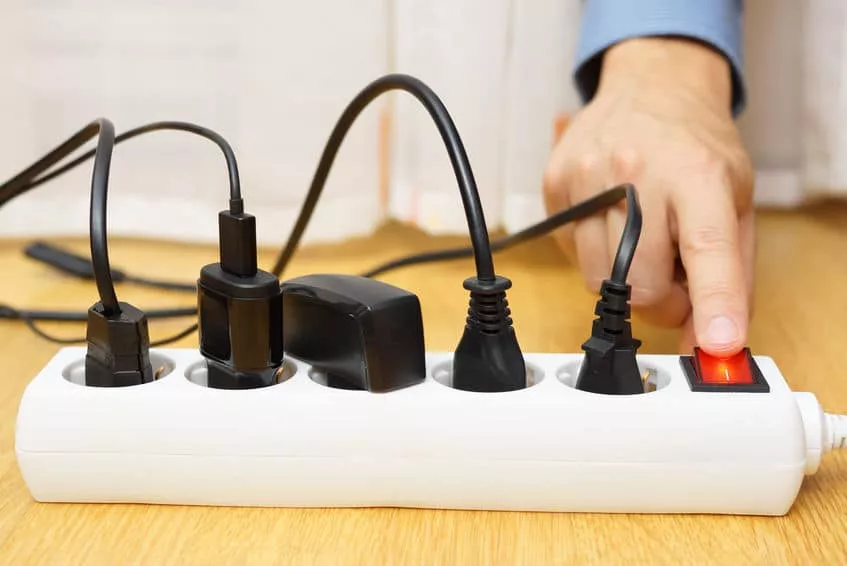
Extension cords can cause trips and fallsif not placed carefully. Common hazards include cords stretched across walkways or tangled on the floor. Loose cords create unexpected obstaclesthat people may not see.
Areas with high foot trafficare especially risky. Cords near doors, hallways, and stairs often cause accidents. Wet or cluttered floors make tripping more likely.
| High-Risk Areas | Why They Are Risky |
|---|---|
| Living Rooms | Cords run across floors and under furniture |
| Kitchens | Busy spaces with appliances and wet floors |
| Offices | Cords tangled around desks and chairs |
| Workshops | Tools plugged in with cords on the ground |
Choosing Safe Extension Cords
Choosing the right extension cord keeps your space safe and neat. Lengthmatters. Too long cords create loops and tangles that cause trips. Too short cords force stretching and pulling, which can damage the cord.
The thicknessor gauge of the cord is important. Thicker cords carry more power safely. Thin cords may overheat if used with heavy devices.
| Type | Use | Features |
|---|---|---|
| Indoor Cords | Inside homes, offices | Lightweight, less durable |
| Outdoor Cords | Gardens, patios, construction | Water-resistant, heavy-duty |
Using the correct cord type reduces risks. Outdoor cords resist weather and dirt. Indoor cords are not built for rough use. Always match the cord to the task for safety.
Proper Cord Placement
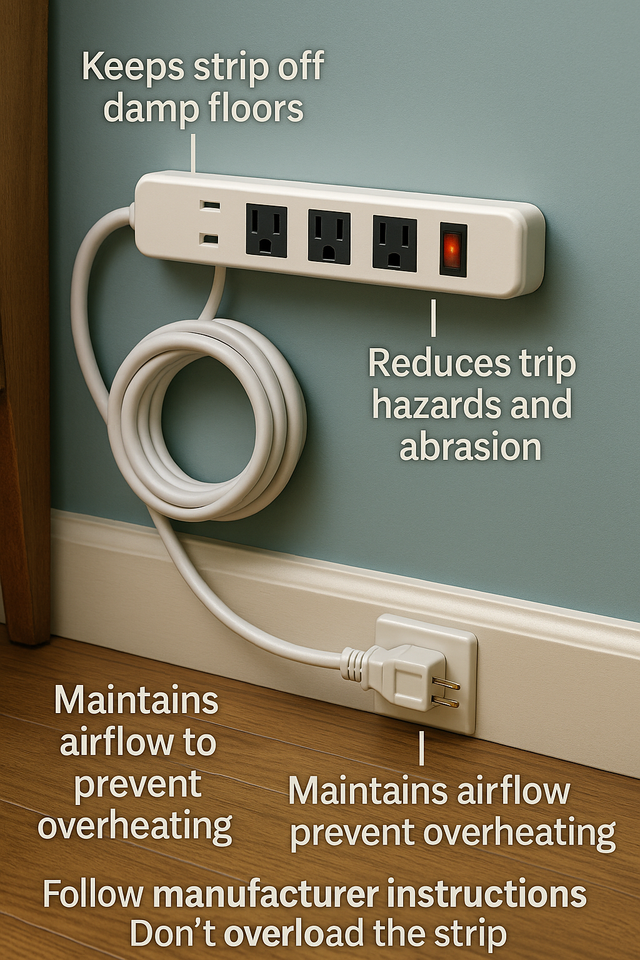
Extension cords should never cross walkwaysor busy traffic zones. This stops people from trippingor getting hurt. Place cords along walls or edges where fewer people walk.
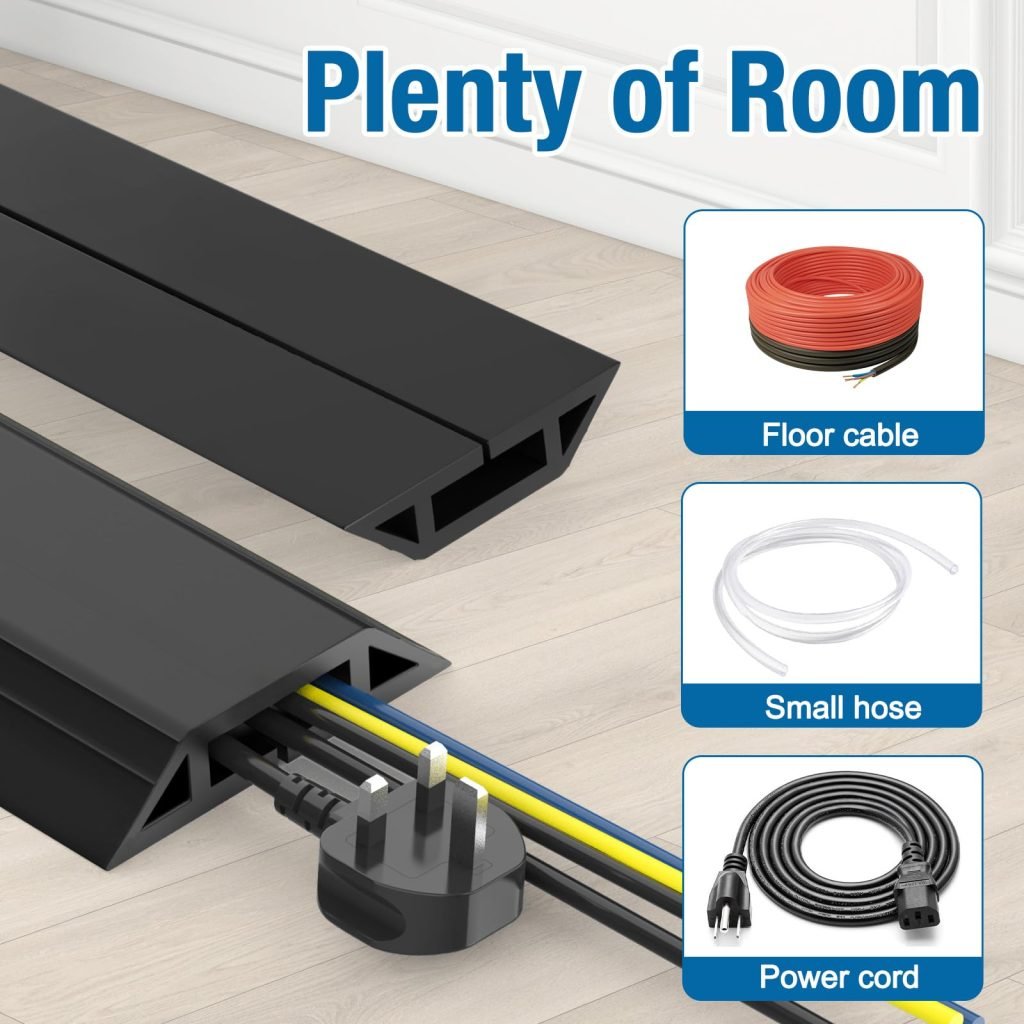
Using clipsor cord covershelps keep cords in place. Clips fasten cords to floors or walls, stopping movement. Covers protect cords and make them less visible, reducing accidents. Choose covers that fit the cord size well.
Credit: www.casecontractinginc.com
Organizing And Storing Cords
Coiling cords properly helps stop tangles and trips. Use loose loops to avoid damage. Tight coils can break wires inside. Keep coils even and not too tight for better storage.
Cord reels and holders keep cords neat and easy to use. They stop cords from lying on floors and causing falls. Reels let you pull out only the length you need. Holders can hang cords up, saving space and clearing walkways.
- Make loops about the size of your hand.
- Avoid sharp bends to protect the cord.
- Use reels that fit your cord size.
- Hang cords on hooks or holders after use.
- Store cords in dry, cool places to last longer.
Using Safety Accessories
Cord covershelp keep extension cords flat and secure on the floor. They reduce tripping risksby holding cords in place. These covers come in different sizes and colors to match floor surfaces.
Matsalso protect cords and make walkways safer. They are especially useful in busy areas or places with lots of foot traffic. Using mats can prevent cords from moving or bending.
| Warning Signs and Tape | Purpose |
|---|---|
| Bright-colored tape | Marks cords clearly to alert people |
| Warning signs | Give clear messages about cord hazards |
| Reflective tape | Improves visibility in low light |
Using these safety tools can greatly lower the chance of accidents. Clear markings and covers make cords easy to see and avoid.
Routine Checks And Maintenance
Regularly check extension cords for cuts, frays, or exposed wires. Damaged cords can cause tripping hazardsand electrical issues. Look closely at the plug and cord length for any signs of wear.
Replace any cord that shows visible damage or wear. Worn-out cords are unsafe and increase the risk of tripping and electrical shocks. Using new cords ensures safety and reduces accidents.
Educating Household And Employees
Promoting awarenesshelps everyone see the risks of extension cords. Teach children and employees to watch for cords on floors. Explain why cords can cause trips and falls. Use simple talks or posters with pictures. Remind them to keep cords away from walkways.
Establishing safety rulesmakes the home or workplace safer. Set clear rules about where cords can be placed. Ask everyone to plug cords only in safe spots. Encourage using cord covers or tape to hold cords down. Make sure everyone knows to report loose or damaged cords right away.

Credit: www.esfi.org
Credit: www.premium-electric.ca
Frequently Asked Questions
How Can I Secure Extension Cords To Avoid Tripping?
Use cable clips, cord covers, or tape to fasten cords along walls. Keep cords out of walkways and high-traffic areas to prevent accidents.
What Are The Safest Ways To Route Extension Cords Indoors?
Route cords along baseboards or under rugs designed for cord protection. Avoid crossing doorways or areas where people frequently walk.
Can Extension Cord Covers Prevent Tripping Hazards Effectively?
Yes, cord covers protect cords and reduce tripping risks by keeping them flat and visible. They are ideal for high-traffic zones.
How Do I Choose The Right Length Of Extension Cord?
Use the shortest cord possible to reach your device. Longer cords increase tripping risk and may cause voltage drops.
Conclusion
Preventing tripping hazards with extension cords keeps your space safe. Secure cords tightly along walls or under rugs. Use cord covers to avoid loose cables. Keep pathways clear to stop accidents. Regularly check cords for damage or wear. Simple steps make big safety differences.
Stay aware and act to protect yourself and others. Safety starts with small, smart choices every day.