Are you tired of dealing with loud, annoying vibrations coming from your generator enclosure? These vibrations can cause more than just noise—they can lead to costly damage and reduce the lifespan of your equipment.
But what if you could stop these vibrations before they start? You’ll discover simple, effective ways to prevent vibration in your generator enclosure. By the end, you’ll have clear steps to protect your generator, save money on repairs, and enjoy a quieter, smoother operation.
Keep reading to learn how to take control and keep your generator running at its best.

Credit: www.amazon.com
Causes Of Vibration In Generator Enclosures
Mechanical imbalancesin the generator parts cause shaking. Rotating parts must be balanced well. If not, vibration grows.
Loose componentslike bolts and screws make the enclosure shake. Tightening parts reduces noise and damage.
Foundation issuesare a major cause. A weak or uneven base lets the generator move and vibrate.
Environmental factorssuch as wind, nearby machines, and ground type also affect vibration levels. Proper placement helps lower shaking.
Effects Of Vibration On Generator Performance
Vibrationcan cause serious wear and tearon generator parts. Moving parts may loosen or break early, leading to costly repairs. Bearings, mounts, and other components face faster damage due to constant shaking.
Noise pollutionrises with vibration. Loud sounds can disturb nearby people and workplaces. This noise may violate local rules and cause complaints. A quiet generator means a better environment.
Vibration affects operational efficiency. It can cause misalignment and reduce power output. The generator uses more fuel to run properly, which raises costs. Stable operation helps save energy.
Safety concernsare a major issue. Excessive vibration may cause accidents or fires. It can loosen parts that fall off and hurt people nearby. Keeping vibration low improves safety for all.
Choosing The Right Mounting System
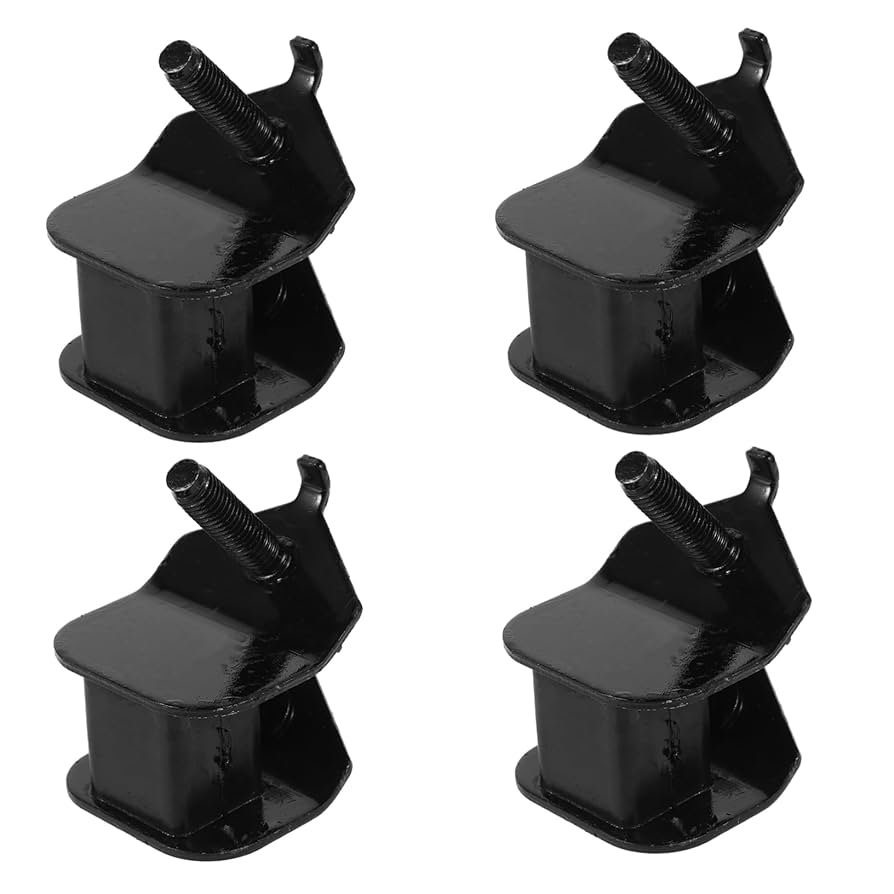
Anti-vibration mountsreduce noise and protect the generator from damage. They absorb shocks and stop vibrations from spreading. These mounts come in rubber or neoprene, which are flexible and durable.
Isolation padsare placed under the generator base. Made from thick rubber or foam, they stop vibrations from reaching the floor. These pads are easy to install and cost-effective.
| Mount Type | Material | Benefits |
|---|---|---|
| Anti-Vibration Mounts | Rubber, Neoprene | Absorbs shocks, reduces noise |
| Isolation Pads | Rubber, Foam | Stops vibrations to floor, easy to install |
| Spring Mounts | Steel Springs | Excellent vibration isolation, long-lasting |
Spring mountsuse steel springs to support the generator. They provide strong vibration isolation and last long. These mounts are ideal for heavy machines and rough environments.

Credit: www.amazon.com
Designing A Stable Foundation
A strong and stable foundation is key to reduce vibrationin a generator enclosure. The concrete basemust be thick and dense enough to hold the generator’s weight. Use high-quality concrete with proper curing time to avoid cracks. The base should be flat and level to keep the generator steady.
Leveling helps keep the generator balanced and prevents shaking. Use leveling bolts or pads under the base. Check with a spirit level and adjust until the surface is perfectly horizontal. This stops uneven pressure and vibration.
Anchoring the generator securely to the base reduces movement. Use strong anchor bolts embedded in the concrete. Tighten bolts firmly but avoid over-tightening, which may cause stress. Proper anchoring fixes the generator in place and cuts down vibration.
Regular Maintenance Practices
Tightening fastenersregularly helps stop parts from shaking inside the generator. Loose bolts or screws cause more vibration and noise. Check all fasteners and make sure they are secure.
Inspecting componentsmeans looking for worn or damaged parts. Parts like mounts, belts, and fans can cause vibration if broken or loose. Replace any parts that look weak or worn out.
Follow a strict lubrication scheduleto keep moving parts smooth. Oiled bearings and joints reduce friction and vibration. Use the right oil type and check it often to keep the generator running quietly.

Credit: www.amazon.com
Using Vibration Dampening Materials
Rubber sheetsabsorb vibrations well. They are flexible and strong. These sheets fit under the generator to stop shaking. They last long and resist oil and heat.
Foam insertsare soft and light. They fill gaps inside the enclosure. Foam cuts down noise and vibration. It is easy to install and replace.
Composite padscombine materials like rubber and foam. They balance strength and softness. These pads spread the load and reduce vibration better than one material alone.
Monitoring Vibration Levels
Use sensors and gaugesto track vibration levels inside the generator enclosure. These devices measure movement and send real-time data. This helps spot any unusual shaking early.
Data analysis toolscollect and study this information. They show patterns and help find causes of vibration. This makes fixing problems easier and faster.
Preventive actionsinclude tightening bolts, balancing parts, and replacing worn pieces. Regular checks and maintenance stop vibration from getting worse. Keeping the generator steady protects it and makes it last longer.
Frequently Asked Questions
What Causes Vibration In A Generator Enclosure?
Vibration in generator enclosures can result from misalignment, imbalance, or loose components. Regular maintenance checks can help identify these issues early. Ensuring that all parts are tightened and aligned properly can significantly reduce vibration.
How Can You Reduce Generator Enclosure Vibration?
To reduce vibration, install anti-vibration mounts and pads. Regularly inspect and maintain the generator to ensure all components are secure. Proper alignment and balance are crucial to minimizing vibration.
Why Is Vibration Harmful To Generators?
Excessive vibration can lead to component wear and tear, reducing the generator’s lifespan. It can cause parts to become loose, leading to potential breakdowns. Regular monitoring and maintenance can prevent these issues.
What Materials Absorb Vibration Effectively?
Rubber and neoprene are effective materials for absorbing vibration. Using these materials as pads or mounts can significantly reduce vibration. They help maintain stability and prolong the life of the generator.
Conclusion
Preventing vibration in a generator enclosure keeps equipment safe and working well. Use proper mounts and padding to reduce shaking. Regular checks help catch problems early. Tighten all parts to stop loose movements. A quiet, steady generator means less wear and longer life.
Simple steps can make a big difference in performance. Keep your generator running smoothly with careful care and attention.