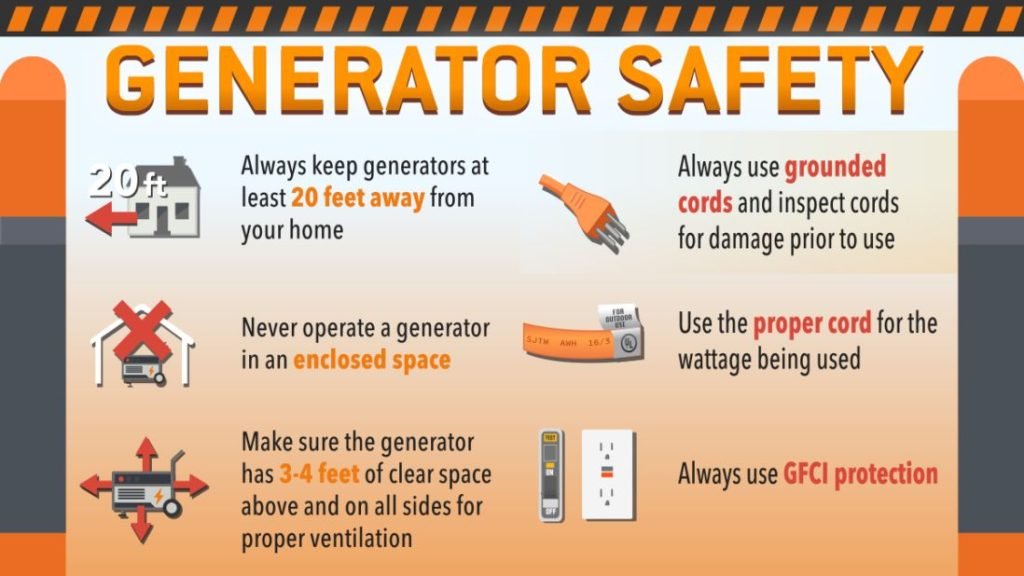
Imagine you’re in the middle of an important task, relying on your generator to keep everything running smoothly. Suddenly, the lights flicker, the equipment stalls, and you’re left wondering what went wrong.
Voltage drop in generator cords can be a frustrating and potentially costly issue. But don’t worry—you can avoid this problem and keep your power flowing consistently. You’ll discover simple and effective ways to prevent voltage drop in your generator cords.
By understanding the root causes and learning practical solutions, you’ll be equipped to maintain steady power and protect your devices. Keep reading to ensure that you never face unexpected power interruptions again!

Credit: www.facebook.com
Causes Of Voltage Drop
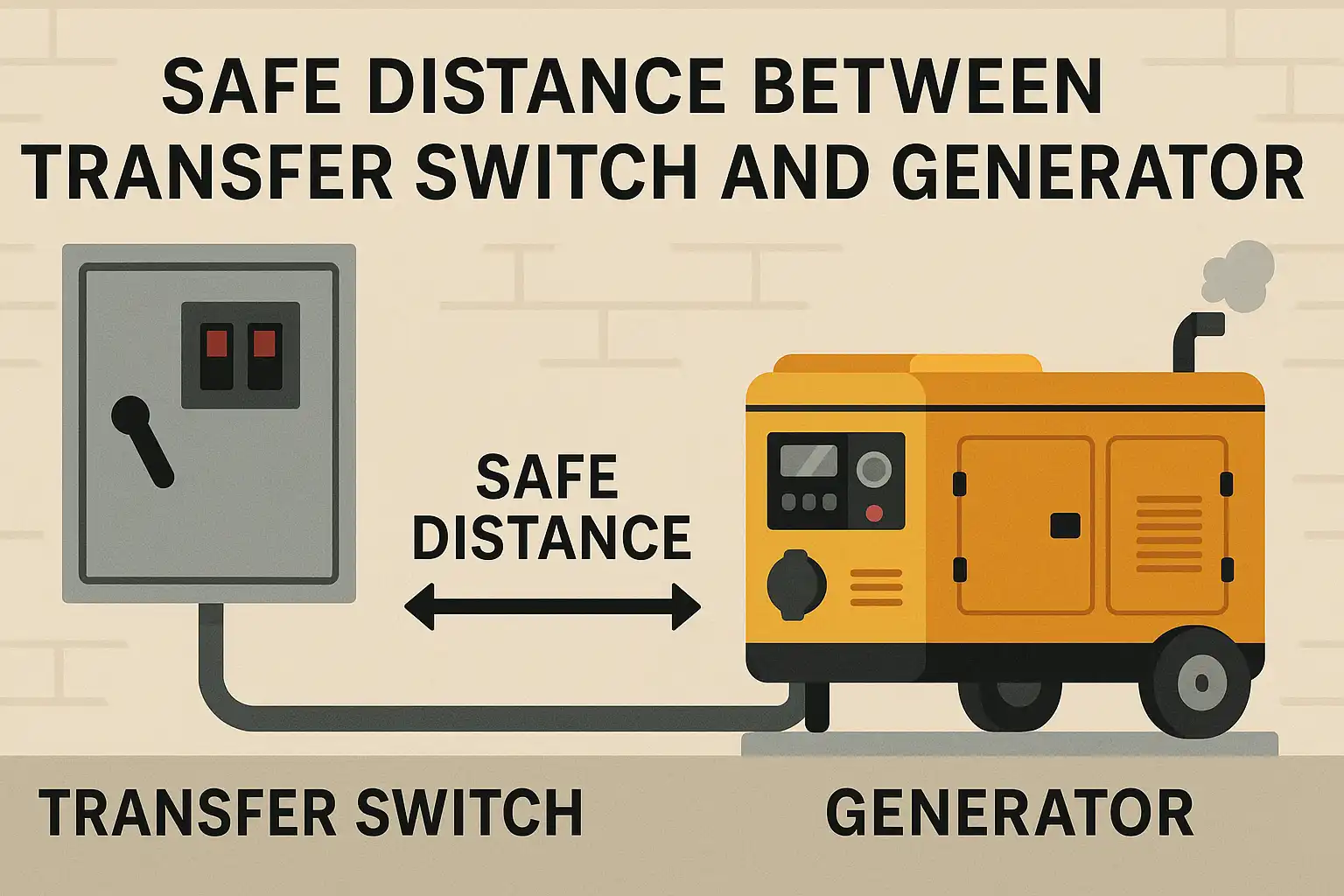
Long cords cause voltage to drop. The electricity has to travel farther. Shorter cords keep voltage strong. Always use the shortest cord possible. It helps keep power stable.
Thick wires carry power better. Thin wires cause voltage loss. Choose a thicker wire gauge for less drop. It’s important for heavy loads. Thicker wires keep devices working well.
Bad connections affect power flow. Loose plugs cause voltage drop. Secure all connections properly. Tighten plugs and sockets. Clean connections help maintain power.
High loads need more power. More power can lead to drop. Balance the load to prevent this. Do not overload the generator. It keeps the voltage steady.
Credit: www.onesto-ep.com
Selecting The Right Cord
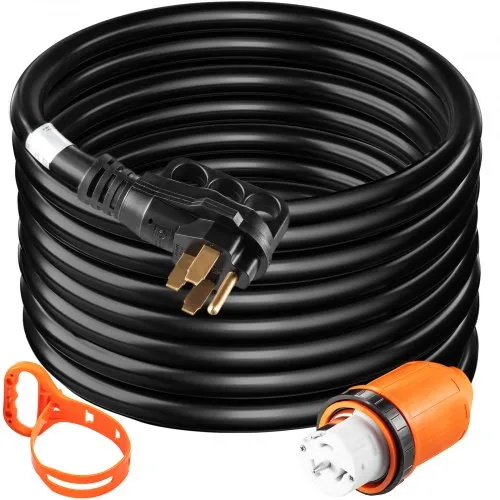
Choosing the correct generator cord ensures efficient power delivery. Thicker cords help prevent voltage drop over long distances. Always check the cord’s length and gauge to match your generator’s needs.
Optimal Length
Shorter cords are better for power. Long cords cause voltage drop. Choose a cord that fits the distance. Always keep it as short as possible.
Appropriate Wire Gauge
Thicker wires carry more power. They reduce the risk of voltage drop. Use a wire gauge that matches the power need. Check the generator’s manual for advice.
Material Considerations
Copper wires are the best choice. They conduct electricity well. Avoid aluminum cords if possible. They are less effective than copper.
Improving Connection Quality
Prevent voltage drop by using shorter cords and ensuring proper gauge size. Regularly check connections for wear and tear. Maintain clean and dry contact points to improve conductivity.
Secure Connections
Secure connections are important to avoid voltage drop. Make sure plugs fit tightly into sockets. Loose connections can cause power loss. Check all connections for tightness. Use quality plugs and sockets. This will help keep power steady.
Using Connectors And Adapters
Connectors and adapters can help with better power flow. Choose connectors that match your cord size. Properly sized connectors prevent voltage loss. Avoid using too many adapters. They can weaken the connection. Use high-quality adapters for best results.
Regular Inspection And Maintenance
Regular inspection helps find issues early. Check cords for cuts or frays. Inspect the plugs and sockets for damage. Fix any damaged parts promptly. Maintenance keeps everything working well. Clean connectors to ensure strong connections. A little care goes a long way.
Credit: www.vevor.ca
Managing Load Requirements
Choose the correct generator cord size to prevent voltage drop. Shorter cords help maintain efficient power flow. Ensure tight connections to avoid energy loss.
Understanding Load Capacity
Generator cords have a maximum load capacity. Exceeding this can cause problems. Always check the wattage your cord can handle. Match it with your generator’s output. This prevents overloading and voltage drop. Use a cord with a capacity higher than your generator’s output for safety.
Balancing Electrical Loads
Spread the load evenly across multiple cords. This helps maintain stable voltage. Avoid connecting too many devices to one cord. Divide the appliances across different cords. This keeps the load balanced. It reduces the risk of voltage drop. Balanced loads also increase efficiency.
Using Multiple Cords
Using several cords helps manage power needs better. Use multiple cords for different areas. This reduces the load on each cord. It prevents any single cord from overheating. Ensure all cords are of high quality. This ensures they handle the load safely. Use the shortest length possible for each cord. This minimizes power loss.
Monitoring And Testing Voltage
Voltage meters help check the electricity level in cords. They ensure the current flows smoothly. Using them is simple and provides quick results. Always keep the meter handy. It helps identify any voltage drop early.
Testing cords regularly prevents unexpected issues. Check the cords every few months. Look for signs of wear and tear. Ensure the connections are tight. This keeps the electricity flowing at the right level. Follow a set schedule for testing.
- Check for damaged wires.
- Inspect connections for looseness.
- Replace faulty parts quickly.
- Make sure cords are not tangled.
- Use quality materials for repairs.
Expert Tips For Prevention
Quality equipment makes a big difference. Always buy cords that are durable and thick. Thicker cords handle electricity better. They prevent voltage drop. Look for cords with good insulation. Insulation keeps electricity flowing. It prevents leakage. Check the cord’s ratings. Higher ratings mean better performance. Choose trusted brands. They have a reputation for quality.
Let experts install your generator cords. They know the right techniques. Experts ensure cords are connected properly. Proper installation prevents damage. It also ensures safety. Always follow the manufacturer’s instructions. These instructions are important. They guide on best practices. Make sure connections are tight. Loose connections cause problems. They lead to voltage drop.
- Regular checks keep cords safe.
- Inspect for wear and tear.
- Replace damaged cords immediately.
- Use cords suitable for your generator.
- Keep cords away from water.
- Avoid overloading the cords.
Frequently Asked Questions
What Is The Main Cause Of Voltage Drop In A Generator?
The main cause of voltage drop in a generator is excessive load demand. This happens when the generator cannot supply sufficient power. Poor connections or undersized cables can also contribute to voltage drop issues. Regular maintenance and appropriate sizing help mitigate this problem.
How To Reduce Voltage Drop In Cable?
To reduce voltage drop, use thicker cables, shorten cable lengths, and ensure connections are tight. Opt for higher quality materials to improve conductivity. Calculate load requirements accurately to choose the right cable size. Regularly inspect cables for damage or wear.
What Extension Cord Should I Use With My Generator?
Choose a heavy-duty extension cord rated for outdoor use. Ensure it matches your generator’s wattage and amperage requirements. Look for cords with a 10 or 12-gauge wire for optimal performance. Length should be minimized to reduce power loss. Check for weather-resistant features for safe outdoor operation.
How To Prevent Voltage Drop In A Circuit?
Use thicker wires to reduce resistance in the circuit. Ensure connections are secure and clean. Minimize circuit length to prevent voltage drop. Maintain proper voltage levels by using voltage regulators. Regularly check for and replace any damaged components.
Conclusion
Preventing voltage drop in generator cords is crucial for efficient power use. Use the right cord size to minimize energy loss. Shorter cords reduce resistance, improving performance. Regularly check for damage to keep connections strong. Avoid using damaged cords, as they can affect power flow.
Proper storage keeps cords in good condition for longer. Following these steps ensures stable power delivery, protecting your equipment. Stay mindful of these tips, and you’ll maintain optimal energy efficiency. Reliable power keeps your projects running smoothly and safely.