Imagine setting up your generator, expecting it to power your equipment efficiently, only to experience a frustrating voltage drop. It’s not just an inconvenience; it can lead to equipment failure or even damage.
But don’t worry. Understanding how to prevent voltage drop with generator cables can save you from these unwanted headaches. Are you tired of dealing with flickering lights or underperforming appliances when you rely on your generator? You’re not alone. Many people face this common issue, often unaware of the simple solutions available.
This guide is here to empower you with the knowledge to maintain steady voltage, ensuring your devices run smoothly and efficiently. Curious to learn how you can achieve this seamless power experience? Read on, and discover the key strategies to prevent voltage drop with your generator cables, safeguarding your equipment and peace of mind.

Credit: truegear.com.au
Causes Of Voltage Drop
Resistance in cablescauses voltage drop by slowing the flow of electricity. Thinner cables have more resistance, making the problem worse. Using thicker cables can help reduce this effect.
Cable lengthalso affects voltage drop. The longer the cable, the more resistance it has. This means electricity loses power over long distances. Keeping cables short helps keep voltage steady.
Load demandis how much electricity is used. Higher loads pull more power, causing bigger voltage drops. Using cables that match the load size can prevent this issue.
Choosing The Right Cable
Choosing the correct cable size is key to avoid voltage drop. A cable too thin causes more resistance. This leads to less power at the generator’s end. Always pick a cable with enough thickness for your load. Check the cable’s ampacityto match your generator’s output.
The materialof the cable affects its performance. Coppercables carry electricity better than aluminum. Copper has lower resistance and lasts longer. Though copper cables cost more, they reduce power loss.
Different insulation typesprotect cables in various ways. Choose insulation that suits the environment. Rubber insulation works well outdoors and resists heat. PVC insulation is cheaper and good for dry areas. Proper insulation prevents damage and keeps the power steady.
Proper Cable Installation
Avoid sharp bendsin generator cables to reduce resistance. Sharp turns can cause damageand increase voltage drop. Keep the cable as straight as possible for better flow of electricity.
Secure connectionsfirmly to prevent loose contacts. Loose connections cause power lossand may lead to overheating. Use proper connectors and tighten them well.
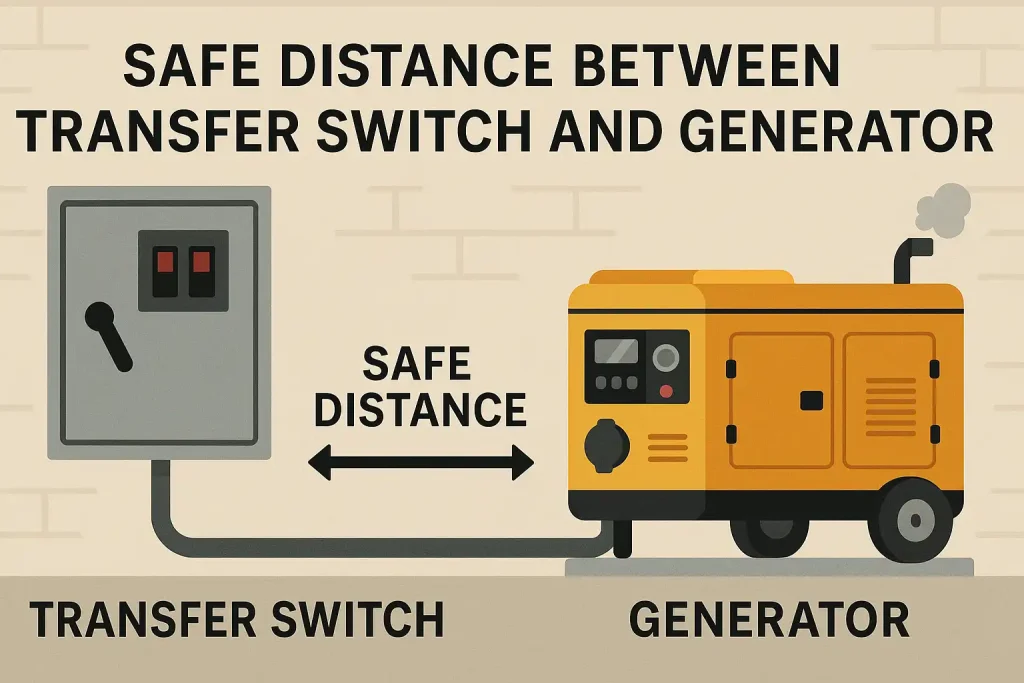
Keep cable length shortto minimize voltage drop. Longer cables have more resistance, which lowers voltage at the load. Place the generator closer to the equipment when possible.

Credit: seaislenews.com
Using Voltage Drop Calculators
Voltage drop calculators help find the best cable size for your generator. They need some input parametersto work well.
- Voltage levelof the generator system
- Current loador amps flowing through the cable
- Cable lengthfrom generator to device
- Cable typeand material (copper or aluminum)
- Acceptable voltage droppercentage or value
After inputting, the calculator gives a voltage drop value. This shows how much voltage might be lost.
Use this info to adjust cable specs. You can choose a thicker cable or shorter length to reduce drop. This keeps your devices safe and working well.
Additional Preventive Measures
Regular maintenance keeps generator cables and connections clean and tight. This reduces resistance and prevents voltage drop. Check cables often for wear or damage. Replace any worn parts immediately.
Upgrading generator capacity helps handle larger loads. A bigger generator provides steady power to all devices. This lowers the chance of voltage dropping under heavy use.
Using voltage regulators keeps the output stable. Regulators control the voltage level and protect devices from fluctuations. They ensure smooth power flow and prevent damage.

Credit: truegear.com.au
Frequently Asked Questions
What Causes Voltage Drop In Generator Cables?
Voltage drop occurs due to resistance in cables over long distances. Thin cables and high current increase resistance, causing power loss.
How Can Cable Size Prevent Voltage Drop?
Using thicker cables reduces resistance and voltage drop. Choose cable size based on distance and generator load for optimal performance.
Why Is Proper Cable Length Important For Voltage Drop?
Long cables increase resistance, leading to voltage drop. Keep cable length as short as possible to maintain stable voltage supply.
Can Voltage Drop Damage Generator Or Appliances?
Yes, excessive voltage drop can harm generators and connected devices. It causes inefficient operation and potential overheating of electrical components.
Conclusion
Preventing voltage drop with generator cable keeps your power steady. Use the right cable size for better flow. Keep cable lengths short to reduce loss. Check connections often to avoid weak spots. Quality cables make a big difference in performance.
Simple steps protect your devices from damage. Stay safe and save energy by planning well. Small changes bring big results in power delivery. Keep these tips in mind for smooth generator use.