Are you tired of constantly replacing your extension cords due to weather damage? Imagine a world where you never have to worry about rain, snow, or sun wreaking havoc on your essential power tools.
Protecting your extension cords from the elements is not just about saving money; it’s about ensuring safety and efficiency in your daily tasks. In this guide, we’ll explore simple, effective strategies to safeguard your extension cords from harsh weather conditions.
You’ll discover practical tips and clever hacks that will keep your cords in top shape all year round. Don’t let the weather dictate your productivity—arm yourself with the knowledge to keep your extension cords safe and sound. Keep reading to learn how you can protect your investment and enjoy peace of mind, no matter the forecast.

Credit: www.amazon.com
Weather Risks For Extension Cords
Extension cordsface many weather hazardsthat can damage them. Rain and snow cause water damage. Water can enter the cord and cause short circuitsor electrical shocks. Sunlight and heat can make the cord’s plastic brittleand crack over time.
Cold weather makes cords stiffand prone to breaking. Wind can blow cords into rough surfaces, causing abrasions. Ice buildup can add extra weightand stress on the cord, leading to internal damage.
These weather effects reduce the cord’s performance. Damaged cords can cause power lossor dangerous sparks. It is important to protect cords from these risks to keep them working safely and well.
Choosing Weather-resistant Cords
Choose extension cords made from durable materialslike rubber or heavy-duty plastic. These materials help protect the cord from rain, snow, and sun damage. Cords with thick insulationare better at stopping water and dirt from entering.
Outdoor-rated cords have special features. They often have UV protectionto stop sun damage. Their insulation is also water-resistant, making them safe in wet places. Look for cords labeled as “outdoor use”or “weather-resistant”.
- Material:Rubber or heavy-duty plastic
- Insulation:Thick and water-resistant
- UV Protection:Guards against sun damage
- Rating:Outdoor use or weather-resistant
Proper Cord Placement
Place extension cords in areas where they stay dry and safe. Avoid running cords across wet ground or puddles. Water can cause short circuits or shocks. Keep cords off the ground using hooks or shelves. Choose paths that are clear of foot traffic to prevent tripping or damage.
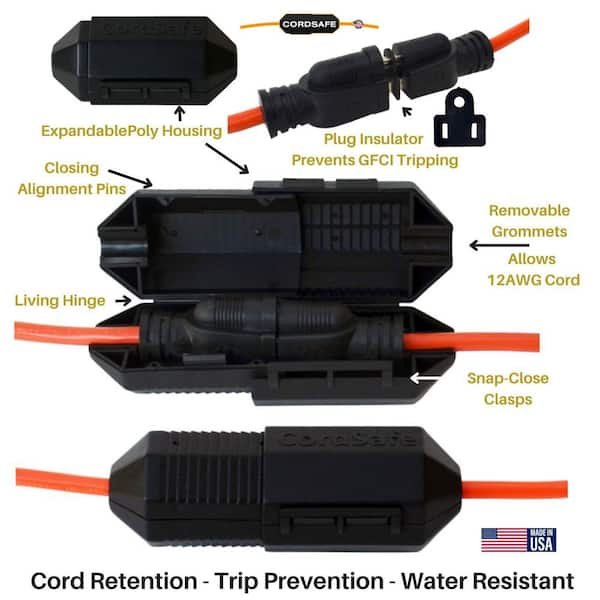
Use protective covers or weatherproof boxes for plugs and connections. These help keep moisture out. Avoid placing cords near sharp edges or heavy objects. These can cut or crush the cord, causing damage. Check cords regularly for cracks or frays. Replace damaged cords immediately to avoid hazards.
Using Protective Accessories
Cord coversprotect extension cords from rain, snow, and dirt. They create a barrier that stops water from reaching the cord. These covers also prevent tripping over cords by keeping them flat and secure on the ground.
Protectorsare made from tough plastic or rubber. They shield cords from sharp objects and heavy foot traffic. This helps avoid damage and keeps the cord working well for longer.
| Accessory | Purpose | Benefits |
|---|---|---|
| Cord Covers | Protect cords from weather and keep them safe | Prevents water damage, reduces tripping hazards |
| Weatherproof Connectors | Seal the connection points from moisture | Stops water entry, avoids short circuits |
Weatherproof connectorskeep plugs dry and safe. They lock tightly around the cord ends to block rain and dust. This keeps electricity flowing without risk of shock or damage.
Maintenance And Inspection
Check the extension cord often for cuts, cracks,or frayed wires. Small damages can cause big problems.
Look at the plug ends to see if they are corrodedor bent. Replace the cord if damage appears.
Keep the cord clean by wiping it with a dry cloth. Remove dirt and debris to stop damage.
Never use water or harsh cleaners. These can harm the cord’s insulation and cause electric shocks.
Store the cord in a dry, cool placewhen not in use. Avoid leaving it outside in bad weather.

Credit: www.amazon.com
Safe Storage Practices
Storing extension cords in dry areasprevents damage from moisture and rust. Avoid places like basements or outdoor sheds that can get damp. A cool, dry closet or garage shelf works well. Keep cords away from direct sunlight to stop plastic from cracking.
Proper coiling protects cords from tangles and breaks. Use a loose coil, not tight loops, to avoid strain. Start by holding one end and wrap the cord in large loops. Secure with a twist tie or Velcro strap. This keeps cords neat and easy to use next time.
Emergency Precautions
Never touch extension cordswith wet hands or feet. Water and electricity are a dangerous mix. Always unplug cordsbefore handling them if they are wet. Dry the cord completely before using it again. Use a dry clothor let it air dry in a warm place. Avoid using cords that show signs of water damage. Wet cords can cause electric shocksor fires.
Replace extension cords if you notice any fraying, cracks, or exposed wires. Do not try to fix damaged cords with tape. A damaged cord can cause short circuitsor electric shocks. Always buy cords that match the power needsof your devices. Using cords beyond their limit can cause them to overheatand fail.

Credit: www.amazon.com
Frequently Asked Questions
How Can I Weatherproof An Extension Cord?
Use waterproof covers or weatherproof boxes to protect the cord’s connections. Elevate cords off the wet ground. Avoid exposing the cord to direct rain or snow.
What Materials Protect Extension Cords From Weather Damage?
Heavy-duty rubber or plastic sheathing offers strong weather resistance. Look for cords labeled “outdoor-rated” or “weather-resistant. ” These materials prevent moisture and UV damage effectively.
Can I Use Outdoor Extension Cords Indoors?
Outdoor extension cords are safe indoors but may be bulkier. Indoor cords lack weatherproofing. Always choose cords based on your specific environment and safety needs.
How Do I Store Extension Cords During Bad Weather?
Coil cords loosely and store them in a dry, cool place. Avoid tight coils that can damage wires. Use storage reels or hang cords to prevent tangling and damage.
Conclusion
Protecting your extension cord from weather keeps it safe and lasts longer. Use covers, keep cords off wet ground, and store them dry. Check cords often for damage or wear. Simple steps make a big difference in safety. Stay careful and avoid accidents caused by bad weather.
Taking care now saves time and money later. Keep your cords working well through all seasons. Safety first, always.