Are you worried about your generator’s remote start system being vulnerable to lightning strikes? You’re not alone.
Many people overlook this critical aspect of generator maintenance, only to face costly repairs or replacements. Imagine the peace of mind you’ll have knowing your generator is safeguarded against unexpected lightning surges. You’ll discover simple yet effective strategies to protect your investment and ensure your generator remains reliable, even during the fiercest storms.
Stick around to learn how you can shield your generator and keep it running smoothly, no matter the weather.

Credit: www.amazon.com
Lightning Risks For Remote Start Systems
Lightning can cause serious damageto remote start systems. These systems have electronic partsthat are sensitive to electrical surges. Lightning strikes create very high voltage spikes. These spikes can burn out circuitsor destroy componentsinside the remote start device.
Common weak points include:
- Exposed wiring that can catch a surge
- Control boards inside the unit
- Communication links between the remote and generator
- Power supply lines that bring electricity to the system
When lightning hits, the generator may:
- Fail to start remotely
- Turn off suddenly
- Have damaged parts that need repair
Surge Protection Devices
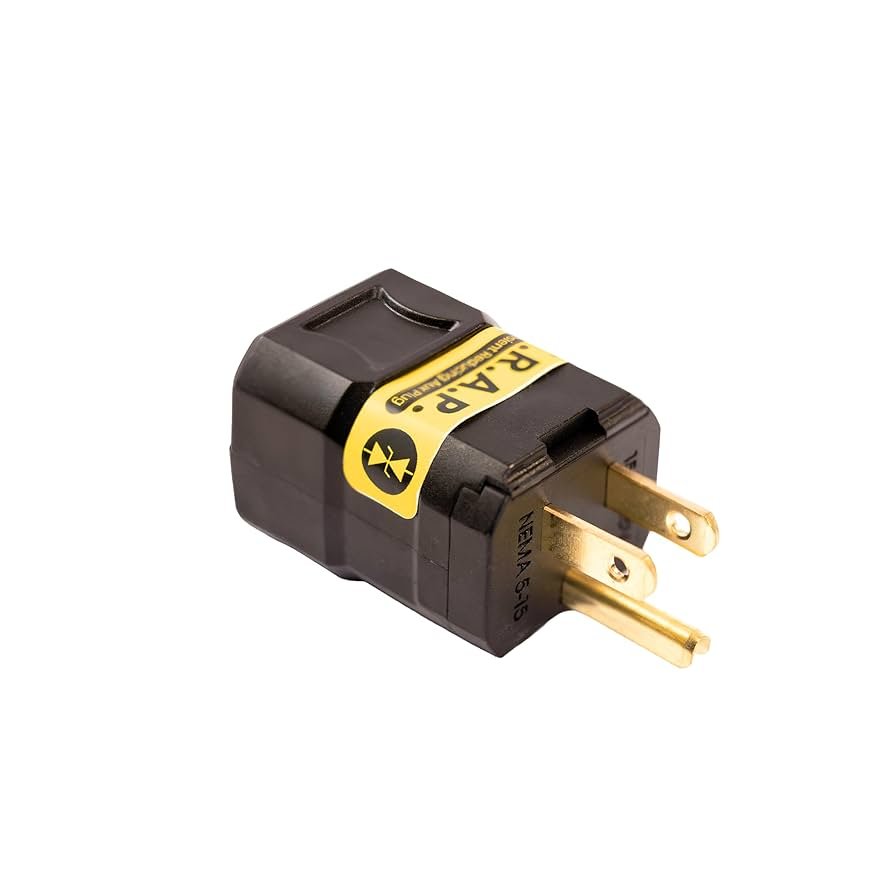
Surge protection devicesguard your generator remote start system from lightning damage. Choosing the right type is key to safety.
- Metal Oxide Varistors (MOVs): Absorb high voltage spikes quickly. Common and affordable.
- Gas Discharge Tubes (GDTs): Handle large surges by diverting excess current to the ground.
- Transient Voltage Suppression (TVS) Diodes: React fast to voltage spikes, protecting sensitive electronics.
Installing surge protectors near the generator and control panel helps reduce damage. Keep wiring short and use proper grounding. Avoid running wires near power lines or metal objects. Regularly inspect and replace devices that show wear or damage.
Grounding Techniques
Grounding techniques help divert lightning strikes safely into the earth, protecting your generator’s remote start system. Proper grounding reduces the risk of electrical damage during storms. Secure connections and quality grounding rods improve overall safety and equipment longevity.
Importance Of Proper Grounding
Proper groundingis key to protect your generator’s remote start from lightning strikes. Lightning carries huge electric energy. Without grounding, this energy can damage your system. Grounding safely directs electricity into the earth. This stops sparks and fires. A well-grounded system keeps your equipment safe. It also protects people nearby from electric shocks. Grounding boosts overall safety during storms. It prevents costly repairs and downtime.
Effective Grounding Methods
- Use a ground rodmade of copper or galvanized steel.
- Drive the rod deep into moist soil for better conductivity.
- Connect the generator frame and remote start system to the ground rod with a thick copper wire.
- Check connections regularly for corrosion or looseness.
- Avoid grounding near power lines or underground cables.
- Use grounding clamps to ensure tight and secure connections.

Credit: www.amazon.com
Shielding And Enclosures
Metal enclosures provide a strong shield against lightning strikes. They create a protective barrierthat stops electrical surges from reaching the remote start system. Using grounded metal boxeshelps in safely directing lightning energy into the earth.
Shielded cables reduce interference from lightning. They have a metal layeraround the wires that blocks unwanted signals. This layer must be properly groundedto work well.
| Type of Cable Shielding | Description | Best Use |
|---|---|---|
| Braided Shield | Flexible metal mesh covering wires | Good for moving parts and flexibility |
| Foil Shield | Thin metal foil wrapped tightly | Better for high-frequency noise reduction |
| Combination Shield | Both foil and braided layers | Offers strong protection against all interference |
Maintenance And Inspection
Regular checks help catch problems early. Inspect the remote start system monthly. Look for loose wires, corrosion, or signs of wear. Test the remote start function to ensure it works well. Keep the battery charged and connections tight.
Lightning can cause hidden damage. Signs include burnt smells, melted plastic, or black marks near wires. The system may fail to start or respond slowly. Damaged parts should be replaced immediately. Use a voltmeter to check electrical flow.
| Signs of Lightning Damage | Actions to Take |
|---|---|
| Burnt smell or black marks | Disconnect power and inspect wiring |
| Melted plastic parts | Replace damaged components promptly |
| Remote start failure | Test system and consult a technician |
| Slow or unresponsive remote | Check battery and wiring connections |
Additional Safety Measures
Disconnecting the generator remote start system during storms is a key safety step. Lightning can cause serious damage to electronic parts. Unplugging or turning off the system helps prevent harm. This simple action keeps your equipment safe and working longer.
Lightning arrestors provide extra protection by stopping high voltage surges. These devices catch the lightning’s energy before it reaches your generator. Installing a lightning arrestor creates a shield around the remote start system. It lowers the risk of electrical damage and keeps the system stable.
- Unplug or turn off remote start during thunderstorms
- Use lightning arrestors to block voltage spikes
- Check arrestors regularly for proper function
- Ensure grounding is secure for full protection

Credit: www.reddit.com
Frequently Asked Questions
How Can I Shield My Generator Remote Start From Lightning?
Use surge protectors and lightning arrestors to shield your generator remote start. Proper grounding and shielding cables also reduce lightning damage risks.
What Is The Best Grounding Method For Generator Protection?
Connect your generator to a deep ground rod using copper grounding wire. This directs lightning strikes safely into the earth, protecting your system.
Are Surge Protectors Effective Against Lightning For Generators?
Yes, surge protectors absorb voltage spikes caused by lightning. They prevent electrical surges from damaging your remote start system.
Should I Unplug The Remote Start During Thunderstorms?
Unplugging your remote start during storms is a good precaution. It physically disconnects the device from power, minimizing lightning damage risks.
Conclusion
Protecting your generator remote start from lightning keeps it working safely. Use proper grounding and surge protectors to reduce damage risks. Unplug devices during storms to avoid electrical surges. Regularly check your system for any signs of wear or damage.
Taking these steps helps your generator last longer and work better. Stay safe and keep your power reliable, even during bad weather. Small actions can save you from costly repairs later. Stay prepared and protect your equipment wisely.