Imagine this: a storm is rolling in, and your home or business is bracing for potential power outages. Your generator stands ready, but there’s a hidden concern lurking in the midst of the wind and rain – the delicate sensors that help your generator function efficiently.
If these sensors are compromised by harsh weather conditions, your generator’s reliability could falter when you need it most. In this guide, you’ll discover simple yet effective strategies to shield your generator sensors from the elements. By investing a little time in protective measures now, you can ensure your generator is always prepared to power through any storm.
Keep reading to find out how you can safeguard these vital components and maintain peace of mind, no matter what the weather throws your way.

Credit: www.reddit.com
Common Weather Risks For Generator Sensors
Rain and moisturecan cause sensors to short circuit or fail. Water seeps into cracks and damages electronic parts. Using waterproof covershelps keep sensors dry. Make sure all seals are tight and check them often.
Extreme temperaturescause sensors to expand or contract. This can break wires or change readings. Keep sensors in shaded areas or use insulation materialsto protect them from heat and cold.
Dust and debrisblock sensor lenses and affect accuracy. Regular cleaning with a soft cloth or brush keeps sensors working well. Install dust shieldsto reduce build-up.
Corrosion from humidityeats away at metal parts. This weakens connections and causes errors. Use anti-corrosion spraysand check sensors for rust often. Proper ventilation reduces moisture around sensors.
Choosing Weather-resistant Sensors
IP ratingsshow how well sensors resist dust and water. Higher ratings mean better protection. For example, IP67 means the sensor is dust-tight and can handle water immersion.
Choosing sensors with the right IP rating helps them survive rain, dust, and snow. This keeps your generator working well for a long time.
Materials like stainless steel and coated plastics help sensors last longer outdoors. These materials stop rust and damage from sun and rain.
Sealed or fully enclosed sensors keep moisture and dirt out. This protects the sensor parts inside and stops errors caused by weather.
- Pick sensors with high IP ratingsfor tough weather.
- Choose durable materialslike metal or coated plastic.
- Use sealed or enclosed sensorsto avoid water and dust damage.
Protective Housing And Enclosures
Sensor enclosurescome in many types. Plasticand metalare common materials. Plastic is lightweightand resists rust. Metal is strongand protects from impact. Enclosures can be sealedto keep out water or have vents for air flow.
| Type | Material | Key Feature | Use |
|---|---|---|---|
| Weatherproof | Plastic/Metal | Sealed against rain | Outdoor sensors |
| Ventilated | Metal | Allows air flow | Heat-sensitive sensors |
| Explosion-proof | Metal | Strong, sealed | Hazardous areas |
Ventilationhelps keep sensors cool. Weatherproofingkeeps water out. Choose based on sensor needs. Proper balance protects sensor and lets it work well.
- Use correct screwsand seals to prevent leaks.
- Mount sensor where it avoids direct rain but has airflow.
- Check enclosure for damage regularly.
- Ensure cables enter through sealed holes.
- Follow manufacturer guide for installation depth and position.

Credit: www.reddit.com
Regular Maintenance And Inspection
Cleaning sensor surfaces keeps them free from dirt and dust. Use a soft cloth or brush to gently wipe the sensors. Avoid harsh chemicals that can damage sensitive parts. Regular cleaning helps sensors work accurately.
Check sensors for any signs of corrosion or damage. Rust or cracks can cause sensors to fail. Replace parts if needed to maintain proper function. Early detection prevents bigger problems.
Ensure sensors are mounted securely to prevent movement. Loose sensors can give false readings or break. Tighten screws and fasteners as needed. Secure mounting protects sensors from wind and rain.
Additional Weatherproofing Measures
Protective coatingscreate a barrier against water and dust. They help sensors last longer by stopping rust and corrosion. Use coatings that are made for outdoor use and can handle rain and sun.
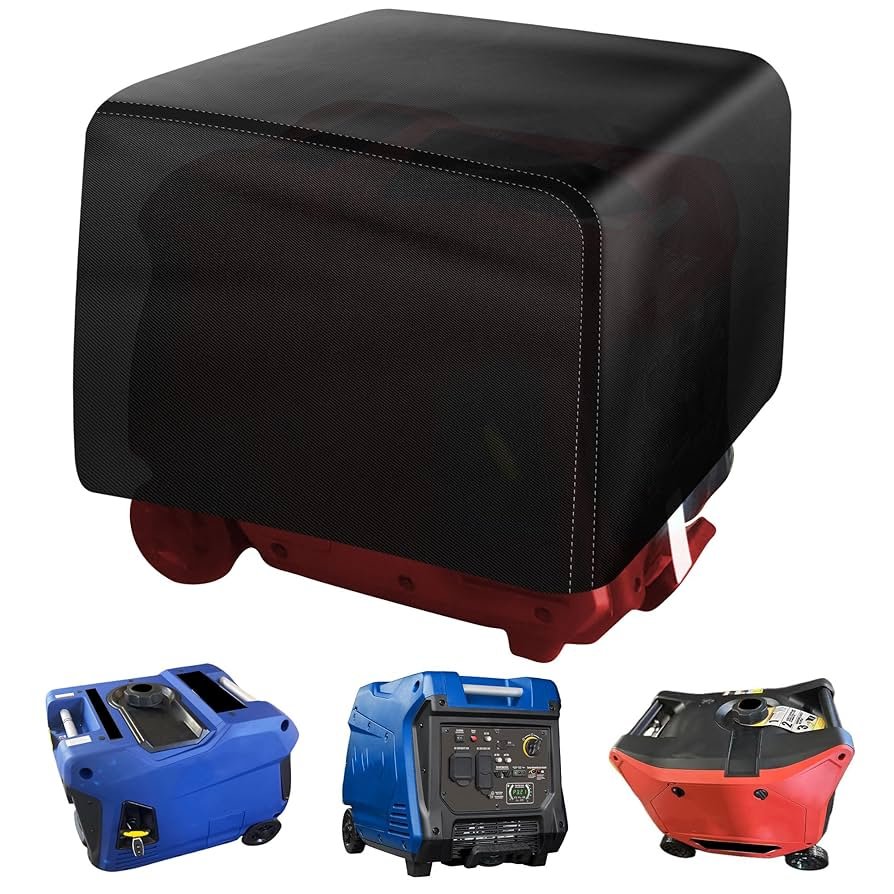
Weather shields and coversblock direct rain, snow, and sunlight. They keep sensors dry and cool. Choose covers that allow air flow to avoid overheating. Make sure covers fit well and are strong.
Cables and connectorsare weak spots for weather damage. Use waterproof connectorsand seal joints with silicone or rubber boots. Keep cables off the ground to avoid water pooling. Regular checks help find damage early.
Best Practices For Outdoor Sensor Placement
Place sensorsin spots shielded from rain and snow. Avoid areas where water can pool. Check the site after rain to see if water collects near sensors.
Choose higher ground or use platforms to keep sensors above wet soil. Good drainagehelps prevent damage from standing water. Ensure water flows away from sensor areas.
- Keep sensors away from direct rain and sun.
- Do not install near gutters or downspouts.
- Use covers or shields for extra protection.
- Pick locations with natural slopes to aid drainage.

Credit: www.jsonline.com
Frequently Asked Questions
How Do Weather Conditions Affect Generator Sensors?
Weather can cause moisture, dust, and temperature fluctuations. These factors may lead to sensor corrosion or inaccurate readings, reducing generator efficiency and lifespan.
What Materials Protect Generator Sensors From Rain?
Waterproof enclosures made from durable plastic or metal shield sensors effectively. These materials prevent water ingress and protect sensors from harsh rain and humidity.
Can Temperature Extremes Damage Generator Sensors?
Yes, extreme heat or cold can cause sensor malfunction. Using insulated covers or temperature-controlled enclosures helps maintain sensor accuracy and prolongs their operational life.
How Often Should Generator Sensor Protection Be Inspected?
Inspect sensor protection every 3 to 6 months. Regular checks ensure covers remain intact and sensors stay free from dirt, moisture, and physical damage.
Conclusion
Protecting generator sensors from weather keeps your equipment running well. Use covers and shields to block rain, snow, and dust. Regularly check sensors for dirt or damage to catch problems early. Proper protection helps sensors last longer and work better.
Simple steps save money and prevent breakdowns. Stay safe and keep your generator ready for use anytime. Weather can be tough, but good care makes a big difference.