Imagine the frustration of a power surge wreaking havoc on your home backup system. All your vital data and essential settings, gone in a flash.
You rely on these systems to safeguard your home during unexpected outages, and the last thing you need is for them to fail when you need them the most. But here’s the good news: you can protect your home backup systems from surges with just a few smart strategies.
In this guide, we’ll walk you through the essential steps to shield your investment and ensure your peace of mind. Keep reading to learn how to fortify your home’s defenses against unpredictable power spikes and keep your systems running smoothly. Your backup system’s health—and your peace of mind—depend on it.
Understanding Power Surges
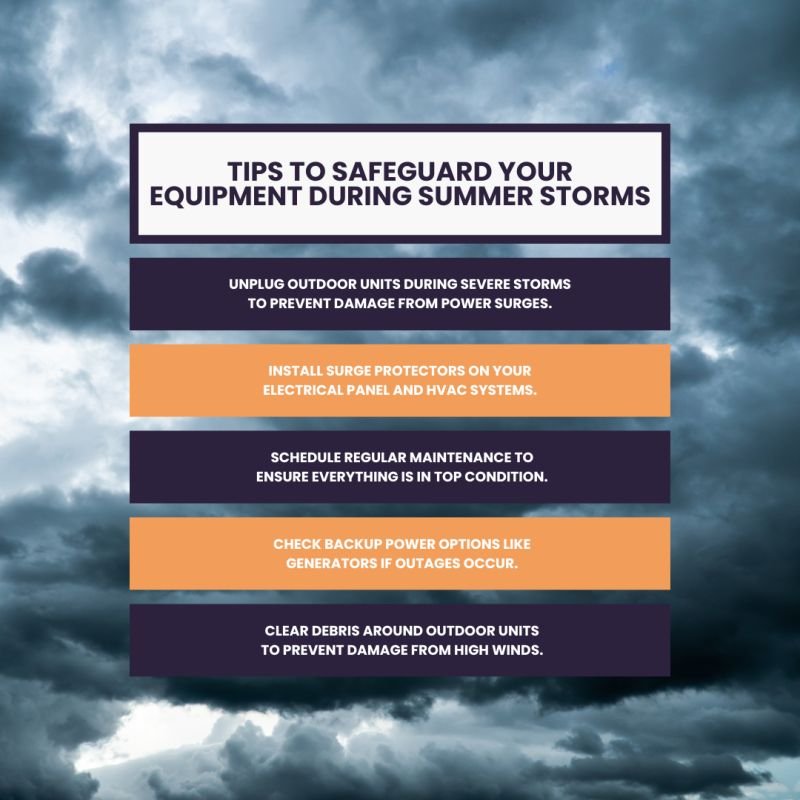
Protecting home backup systems from power surges is crucial for safety and efficiency. Install surge protectors to safeguard electrical devices. Regularly inspect wiring and maintain equipment for optimal performance.
Causes Of Power Surges
Power surges happen for many reasons. Lightning strikes are a common cause. They send a lot of electricity through wires. Faulty wiring can also lead to surges. Old or damaged wires might cause spikes. High-power appliances turning on or off create small surges. This happens when they draw or stop drawing power. Utility company issues may also lead to surges. Sometimes, the power grid has problems.Impact On Backup Systems
Surges can harm your backup systems. They might cause data loss. Important files may disappear forever. Surges can also damage equipment. Your backup system might stop working. This means no protection for your data. Battery life can also shorten. Frequent surges make batteries wear out fast. Repair costs can add up. Fixing or replacing systems is expensive. `
Credit: www.amazon.com
Choosing Surge Protectors
Protect home backup systems from electrical surges by choosing high-quality surge protectors. These devices shield electronics from voltage spikes. Ensure they have adequate joule ratings and multiple outlets for comprehensive protection.
Types Of Surge Protectors
Surge protectors come in different types. Plug-in protectorsare the most common. They are easy to use. Whole-house protectorsoffer more coverage. They guard the entire home. Power stripsoften have built-in surge protection. But check if they do.
Features To Look For
Always check the joule rating. Higher joules mean better protection. Look for indicator lights. These show if it’s working. Response timeis important. Faster times protect better. Some have warrantyfor damaged devices. This offers peace of mind.
Installation Best Practices
Placing your backup system in a safe spot is crucial. Keep it away from water sources. Water can damage the system quickly. Ensure it is placed on a stable surface. This prevents it from falling and getting damaged. Avoid direct sunlight as it can overheat the system. Heat can cause the system to malfunction. Ensure there is enough space around it. This helps with air circulation. Proper placement extends the life of your system.
Regular checks keep your backup system healthy. Inspect cables for any wear and tear. Worn cables can lead to failures. Clean dust from vents and fans. Dust can cause overheating. Test the system monthly to ensure it works. Backup systems need to be reliable. Replace any faulty parts immediately. This helps in preventing bigger issues. Regular maintenance saves you money in the long run. It ensures your home stays protected.
Monitoring And Maintenance
Regular checks keep backup systems safe. Inspect all cables for damage. Look for loose connections or frayed wires. These can cause problems. Test your system monthly. Ensure it works during a power surge. Replace old parts to keep it running well. A small problem can become a big issue.
Backup systems may show wear and tear over time. Check for unusual sounds or overheating. These are signs of trouble. Watch for flickering lights on devices. This means something is wrong. Keep your system in a cool, dry place. Moisture can cause damage. If you see any of these signs, fix them quickly. Regular care helps your system last longer.
Additional Protective Measures
Installing surge protectors shields home backup systems from voltage spikes. Use uninterruptible power supplies to maintain steady power flow. Proper grounding reduces risk of electrical surges.
Uninterruptible Power Supplies
Uninterruptible Power Supplies (UPS) keep devices safe during power cuts. They provide temporary power when electricity fails. This helps prevent data loss and equipment damage. A UPS has a built-in battery. It activates when the power goes out. Always check the UPS battery status regularly. Replace old batteries to ensure proper function. Choose a UPS with adequate power capacity for your needs. It’s important for all critical devices.
Voltage Regulators
Voltage regulators maintain a stable voltage level. They protect devices from power surges. They adjust the voltage to a safe level. This prevents damage to sensitive electronics. Install voltage regulators near important devices. Ensure they can handle the device load. Regularly check and maintain voltage regulators. This ensures they work efficiently. Protect your home backup systems with reliable voltage regulation.

Credit: www.facebook.com
Emergency Preparedness
Protect home backup systems from power surges by installing surge protectors and using uninterruptible power supplies. Regularly inspect electrical connections to ensure they remain secure and free from damage. Consider whole-house surge protection for comprehensive defense against unexpected electrical spikes.
Creating A Response Plan
Prepare a list of emergency phone numbers. Keep them in a safe place. Identify safe areas in your home. Teach children where to go. Practice escape routes regularly. Ensure everyone knows how to turn off utilities. Make a checklist of essential items. Keep a flashlight handy. Stock up on non-perishable food. Store water in secure containers. Prepare a first aid kit. Keep your mobile phone charged. Update your plan every year.
Training Household Members
Discuss the emergency plan with your family. Make sure everyone knows it well. Explain the importance of quick response. Teach children how to call for help. Show them where the emergency kit is. Practice drills monthly. Encourage questions and feedback. Make learning fun and engaging. Use games to teach safety. Reward them for understanding. Keep training sessions short. Ensure everyone knows their role. Review the plan after every drill.

Credit: www.thisoldhouse.com
Frequently Asked Questions
Do Battery Backups Protect From Surges?
Battery backups provide limited surge protection. They primarily offer power continuity during outages. For better surge protection, use a dedicated surge protector alongside your battery backup. This combination safeguards your devices against voltage spikes and ensures uninterrupted power supply during electrical disturbances.
What Is The Best Way To Protect Devices Against A Power Surge?
Use a surge protector to guard devices against power surges. Choose one with a high joule rating. Ensure proper grounding for added protection. Consider whole-house surge protection for comprehensive safety. Regularly inspect and replace surge protectors to maintain effectiveness.
Will A Gfci Protect Against Surges?
A GFCI does not protect against power surges. It is designed to prevent electrical shocks by detecting ground faults. Use surge protectors to safeguard devices from voltage spikes and surges. Surge protectors are specifically designed to handle excess voltage and protect electronics.
How Do I Protect My Hvac From Power Surges?
Install a surge protector for your HVAC system. Regularly check and maintain electrical connections. Use a dedicated circuit for your HVAC unit. Ensure proper grounding and wiring by a professional. Consider a whole-house surge protection system for added safety.
Conclusion
Protecting your home backup system is crucial. Surges can damage essential devices. Use surge protectors to guard against voltage spikes. Regular maintenance helps prevent future issues. Inspect wiring and outlets periodically for safety. Educate family members on proper system use.
A well-protected system ensures uninterrupted power supply. Taking steps now saves money and stress later. Simple actions can make a big difference. Peace of mind comes with preparedness. Always prioritize safety for reliable home power solutions. Keep these tips handy for a secure home environment.