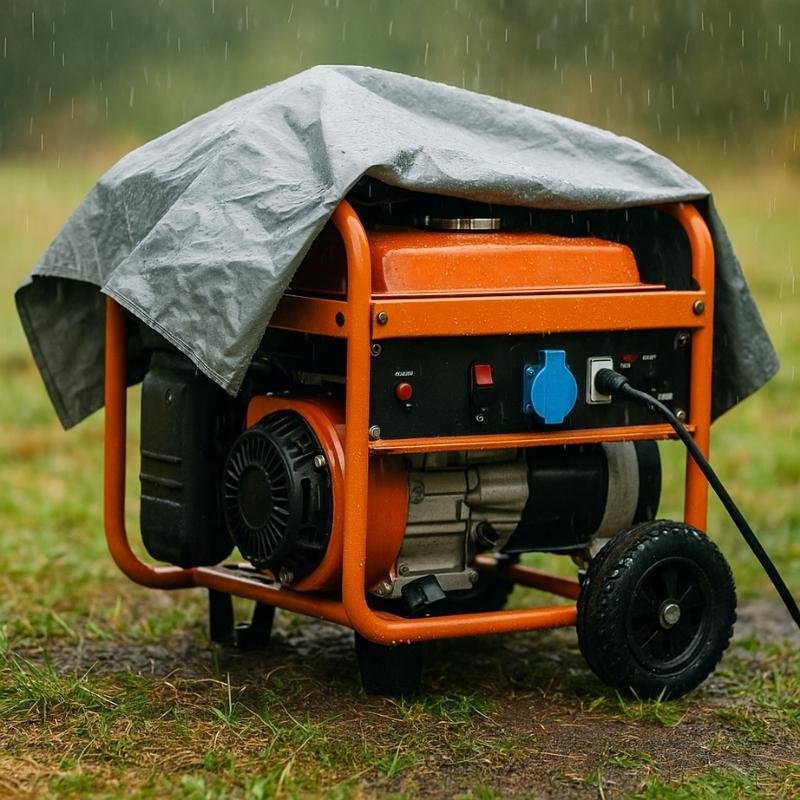
If you rely on a portable gas generator, you know how important it is to keep it running smoothly. But what happens when rain starts pouring?
Water and electricity don’t mix well, and even a little rain can cause big problems for your generator. You want to protect your investment and ensure your power source stays safe and reliable no matter the weather. You’ll discover simple, effective ways to shield your portable gas generator from rain.
Keep reading to learn how to prevent damage, avoid costly repairs, and keep your generator ready whenever you need it most.

Credit: www.amazon.ca
Risks Of Rain Exposure
Rain can cause serious damage to electrical partsinside the generator. Water can enter and create short circuits. This may stop the generator from working or cause electric shocks.
Metal parts inside the generator can start to rustor corrodewhen wet. This weakens the generator and makes it last for a shorter time. Rust also affects the performanceand safetyof the machine.
- Short circuits can stop the generator suddenly.
- Corrosion makes metal parts weak and unsafe.
- Wet electrical components can cause electric shocks.
Choosing The Right Location
Choose a spot that is raised above groundto avoid water damage. A covered place protects the generator from rain and falling debris. Use a roof, awning, or tentfor shelter.
Never place the generator in areas where water pools or floods easily. Flood-prone spots can cause serious damage and safety risks.
Consider the wind direction to keep rain from blowing onto the generator. Position the generator so that wind carries rain awayfrom it.
Protective Covers And Shelters
Waterproof coversprotect generators from rain and dust. Choose covers made from durable, waterproof materials. These covers fit snugly to prevent water from seeping inside. Make sure the cover allows for airflowto stop moisture build-up and overheating. Always cover the generator when it is turned offand cooled down.
Building a DIY shelteris a simple way to protect your generator. Use materials like woodor metalto create a small roof or box. The shelter should have open sidesfor ventilation but a solid top to keep rain out. Make sure the generator is raised off the ground to avoid water damage.
| Commercial Generator Tents | Features |
|---|---|
| Easy Setup | Quick to assemble and take down |
| Waterproof Material | Protects against heavy rain |
| Ventilation | Prevents overheating |
| Portable | Lightweight and easy to move |

Credit: truegear.com.au
Proper Ventilation Needs
Proper ventilation is key for a portable gas generator. It helps keep the generator cool and safe during use. Covers should allow air to flow freely underneath. This stops hot air from getting trapped and causing overheating.
Good airflow also reduces the chance of moisture buildup. Moisture can damage parts and make the generator unsafe. Leave space under the cover and use vents or mesh panels if possible.
- Place the generator on a flat surface with open sides.
- Use a cover that lifts off the ground slightly.
- Check for vents or gaps to allow air movement.
- Keep the area around the generator dry and clear.
Maintenance After Rain Exposure
Start by wiping the generator with a dry cloth. Remove all water drops on the surface. Let it air dry in a warm place. Avoid direct sunlight to prevent damage.
Use a soft brush to clean dirt and debris. Pay special attention to air vents and fuel cap. Cleaning stops rust and keeps parts working well.
Check for any signs of water inside the engine or fuel tank. Look for rust, corrosion, or wet spots. Water can cause serious damage if left unchecked.
Apply a small amount of oil to moving parts like the spark plug and carburetor. This prevents rust and keeps the engine running smoothly.
Store the generator in a dry place after cleaning. Cover it with a waterproof cover for extra protection.
Safety Precautions During Use
Grounding the generatorhelps prevent electric shocks. Use a proper grounding rod and wire. Connect the generator frame to the ground. This keeps you safe during operation.
- Using GFCI outletsadds extra protection. These outlets cut power if a fault happens. They reduce the risk of electric shocks.
- Check that the GFCI outlets are working before use.
Operating in safe weather conditionsis very important. Avoid running the generator in heavy rain or storms. Use a canopy or shelter to keep rain away. Never run it indoors or in closed spaces. Always place it on a dry, flat surface.

Credit: customskirting.com
Frequently Asked Questions
How Can I Keep My Portable Generator Dry In Rain?
Use a waterproof cover or generator tent designed for rain protection. Place the generator on a raised platform. Avoid direct water contact and ensure proper ventilation to prevent overheating.
Is It Safe To Operate A Generator During Rain?
No, operating a generator in rain is unsafe. Water can cause electrical shocks or damage. Always use protective covers and operate in a sheltered, dry area.
What Materials Protect Generators From Rain Effectively?
Waterproof tarps, generator covers, and specially designed generator tents protect against rain. Choose materials that allow airflow to prevent overheating while shielding from moisture.
Can I Build A Shelter For My Portable Generator?
Yes, building a simple shelter with a roof and open sides protects from rain. Ensure good ventilation and easy access for safe generator operation.
Conclusion
Keeping your portable gas generator dry is crucial. Rain can cause damage. Use a waterproof cover for protection. Build a small shelter if needed. Ensure ventilation for safety. Elevate the generator above ground level. This prevents water pooling. Always check weather forecasts.
Store the generator in a dry place. Regular maintenance is key. Inspect for any wear or tear. A well-protected generator lasts longer. It performs efficiently when needed. Protect your investment wisely. Enjoy peace of mind during storms. Stay safe and prepared.
Your generator will thank you.