
Imagine investing in a solar backup system, only to have it stolen. It’s a frustrating scenario that can disrupt your peace of mind and leave you facing unexpected costs.
You might think, “How can I ensure my solar backup is safe from theft? ” The good news is, there are effective strategies to protect your investment. You’ll discover practical tips to safeguard your solar backup system, ensuring it remains secure and functional when you need it most.
By the end, you’ll feel confident knowing the steps you can take to prevent theft and protect your valuable asset. Dive in to learn how to keep your solar backup system safe from unwanted hands.
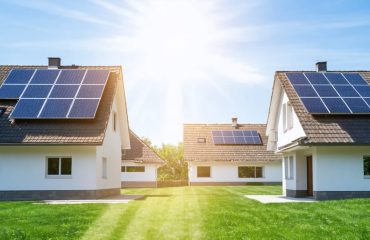
Credit: www.residentialsolarpanels.org
Understanding Solar Backup Systems
Securing your solar backup system is essential to prevent theft. Install security cameras and motion sensors to deter intruders. Ensure your solar panels and batteries are securely mounted and locked. Consider fencing around the installation area for added protection. Regularly monitor your system and maintain a detailed inventory.
Components Of Solar Backup Systems
Solar backup systems have many parts. The solar panels collect sunlight. Batteries store energy for later use. Inverters change stored energy into usable power. Charge controllers manage power flow to the batteries. Each part helps keep your lights on.
Importance Of Solar Energy Security
Keeping solar energy safe is very important. Thieves can steal panels, causing big problems. Protecting your system ensures your power stays on. Strong security means less worry. Use locks and alarms to guard your setup. This way, you can save money and stay powered.

Credit: www.instagram.com
Common Theft Risks
Securing solar backups is essential to prevent theft. Install strong locks and fences around the equipment. Use alarm systems and GPS trackers for added security.
Types Of Theft Targeting Solar Systems
Solar panels are often stolen for their value. Thieves may target solar inverters too. These are key parts of solar systems. Batteries used in solar setups are also at risk. They are heavy but valuable. Cables and wiring are sometimes taken for their copper. Keeping these safe is important. Protective measures can help reduce theft risks.
Impact Of Theft On Energy Supply
Theft can hurt your energy supply badly. Missing parts mean no power. Without solar panels, energy collection stops. Damaged systems may need costly repairs. Energy storage gets affected if batteries are gone. Homeowners may face more electricity bills. Fixing stolen parts can take time. Overall, theft causes trouble and costs.
Physical Security Measures
Building a strong fence keeps your solar backup safe. Use metal or wooden fencesfor better protection. Make fences high, so people can’t climb them easily. Add barbed wire on top for extra security. Barriers can also help. Large rocks or concrete blocks can stop vehicles. Place them around your solar equipment. This makes it hard for thieves to take them away. Good fences and barriers keep your solar backup safe and sound.
Locks protect solar equipment from theft. Use strong padlocks and chainsto secure items. Lock solar panels to their frames. Lock all doors and gates around your equipment. Some locks have alarms. Alarms make loud noises if someone tries to steal. Thieves get scared and run away. Good locks and alarms keep your solar gear safe.
Technological Security Solutions
Secure solar panels with strong locks and alarms. Install surveillance cameras for constant monitoring. Consider GPS trackers to locate stolen equipment quickly.
Surveillance Cameras And Sensors
Surveillance cameras keep an eye on your solar backup system. Place cameras where they see clearly. Connect sensors to detect movement. Sensors can trigger alarms. Cameras and sensors work together. They help catch thieves quickly. Review camera footage regularly. This helps spot unusual activities. Make sure your cameras are visible. Visibility can scare thieves away.
Alarm Systems And Alerts
Alarm systems alert you when someone tries to steal. Set alarms to sound loudly. Loud sounds can scare thieves away. Use alerts on your phone. Alerts can notify you immediately. Choose alarms with bright lights. Bright lights draw attention to the area. Test alarms regularly. Ensure they work properly. Alarms add an extra layer of security.
Remote Monitoring
Remote monitoring helps protect solar backup systems from theft by allowing real-time surveillance. Cameras and alarms can deter potential thieves. Alerts notify owners of suspicious activity, ensuring quick action.
Benefits Of Real-time Monitoring
Real-time monitoringkeeps your solar backup safe. It helps you see what’s happening now. You can spot problems fast. If someone tries to steal, you will know. This helps you react quickly. Real-time data shows if your system is working well. You save money by fixing issues early. You can also check energy usage. This helps you plan better.
Choosing Monitoring Software
Picking the right monitoring softwareis important. Look for software that is easy to use. It should give clear alerts. Choose software that works with your system. Compatibility is key. Some software offers extra features. These features can include weather reports. Compare different options before buying. Make sure the software fits your needs. Good software keeps your backup safe.
Community And Local Support
Neighbors can help keep your solar backup safe. Talk to them about your concerns. Ask them to watch for anything unusual. Working together makes everyone safer.
Local authorities are also important. They can give advice on security. They might offer patrols or checks. Keep them informed about any issues.
Neighborhood watch programs are very useful. They bring people together to protect the area. Everyone takes turns watching. This keeps thieves away. Signs can be put up to warn thieves. Thieves avoid areas with active watch programs.
Meet regularly to discuss safety plans. Share information about any suspicious activity. Being active and aware helps keep the community safe.
Insurance And Financial Protection
Protecting solar backup systems from theft is crucial. Install security cameras and motion-sensor lights to deter intruders. Lockable enclosures and alarms add extra safety.
Evaluating Insurance Options
Choosing the right insurance is very important. Look for plans covering theft. Solar backup systems can be expensive. Make sure your policy covers their full value. Ask questions about premiums and deductibles. Lower deductibles might mean higher premiums. Compare different plans to find the best fit. Sometimes, bundled policies offer better deals.
Cost-benefit Analysis Of Coverage
Think about the costs and benefits. Paying for insurance can save money later. Without insurance, theft could be a big loss. Check if the coverage amount matches your system’s value. List the benefits of having insurance. It protects from financial loss. Weigh the costs against these benefits. This helps in making smart choices. Protecting your investment is worth it.
Future Trends In Solar Security
Securing solar backup systems is vital as solar energy becomes more popular. Installing security cameras and alarms can deter thieves. Regularly updating passwords for monitoring systems adds an extra layer of protection.
Advancements In Security Technologies
New technologies make solar security better. Smart cameras can see in the dark. Motion sensors alert you about unusual activity. Drones can watch large areas from above. Biometric locks ensure only you access your solar systems. These tools keep solar systems safe.
Emerging Threats And Solutions
Thieves are getting smarter, but so are the solutions. Cybersecurity is now important for solar systems. Hackers try to control them. Strong passwords and firewalls protect against this. Physical barriers, like fences, also help. Installing them keeps thieves away. Community watch programs can alert neighbors about suspicious activity.

Credit: www.youtube.com
Frequently Asked Questions
What Is The 33% Rule In Solar Panels?
The 33% rule in solar panels suggests installing panels at a tilt angle of 33 degrees. This optimizes energy production by maximizing sunlight exposure. The angle varies based on geographic location, ensuring panels capture the most sunlight year-round.
What Is The 20% Rule For Solar Panels?
The 20% rule for solar panels suggests installing 20% more capacity than needed. This compensates for efficiency loss due to factors like shading, dirt, and weather conditions. Ensuring optimal energy production helps meet energy demands consistently.
How Common Is Solar Panel Theft?
Solar panel theft is relatively uncommon but varies by location. Rural and less secure areas face higher risks. Secure installations and anti-theft measures reduce theft chances. Investing in alarms and tracking systems helps protect solar assets. Always check local theft reports for specific risk assessments.
Can Someone Steal Your Solar Power?
Solar power theft is uncommon but possible through illegal connections. Secure your system with monitoring and anti-theft devices. Regularly check for unusual drops in energy production to prevent unauthorized access. A professional inspection can ensure your setup remains secure and efficient, protecting your investment and energy output.
Conclusion
Protecting your solar backup from theft is crucial. Simple measures make a difference. Secure your installation with locks and alarms. Consider surveillance cameras for added security. Regularly check your system for any tampering. Educate your neighbors about your setup. A community on alert discourages thieves.
Invest in quality security solutions. They offer peace of mind. Solar energy is valuable; protect it wisely. Be proactive in safeguarding your investment. With these steps, your solar backup remains safe and effective.