
Are you tired of the constant hum of your standby generator disrupting your peace? You’re not alone.
Many homeowners like you are seeking ways to enjoy the benefits of a standby generator without the noise pollution. Imagine being able to relax in your home, enjoy a quiet evening, or even have a conversation on the patio without the intrusive sound of a generator in the background.
In this guide, you’ll discover simple yet effective strategies to quiet your standby generator, turning it into a silent ally during power outages. Stay with us and learn how to transform your generator experience from noisy to nearly noiseless. Let’s dive into the solutions that will bring serenity back to your space.

Credit: www.reddit.com
Causes Of Generator Noise
Engine operation soundscome from moving parts inside the generator. These include the pistons and crankshaft. They create a steady noise while the generator runs. Regular maintenance can reduce some of these sounds.
Exhaust noiseis caused by gases leaving the engine. The exhaust system helps lower this noise, but some sound always escapes. Using a muffler can make the exhaust quieter.
Vibration and resonancehappen when the engine shakes. This shaking makes parts around it buzz or rattle. Proper mounting and vibration dampeners help reduce this noise. Soft pads or rubber mounts work well.

Credit: erayakpower.com
Choosing A Quiet Generator
Inverter generatorsrun quietly by adjusting engine speed. They use advanced technology to produce less noise. Conventional generators run at a constant speed and are usually louder. Inverter models are lighter and better for homes.
| Type | Noise Level (dB) | Weight | Suitability |
|---|---|---|---|
| Inverter Generator | 50-60 | Light | Home, Camping |
| Conventional Generator | 65-75 | Heavy | Industrial, Construction |
- Noise ratingsare measured in decibels (dB).
- Lower dB means quieter operation.
- Choose generators with noise below 60 dB for quiet use.
Place your generator on a soft surface to reduce noise. Keep it far from windows and doors. Use barriers like walls or fences to block sound. Avoid placing near bedrooms or neighbors. Proper placement cuts noise and improves comfort.
Noise Reduction Techniques
Soundproof enclosuresare boxes designed to cover the generator. They block noise and keep the generator safe from weather. These enclosures use thick materials that absorb sound. They help make the generator run quietly outside homes or buildings.
Mufflers and silencersfit on the exhaust pipe of the generator. They reduce the loud noise caused by the engine’s exhaust gases. Mufflers use chambers and baffles to cancel sound waves. This makes the generator’s noise much lower and less annoying.
Vibration isolation padsare placed under the generator. They stop vibrations from moving to the ground or walls. This reduces noise caused by shaking parts. Using soft pads or rubber mats helps keep the area calm and quiet.
Maintenance For Quiet Operation
Regular engine tune-ups keep your generator running smoothly and quietly. Check spark plugs and air filters often. Clean or replace them as needed to prevent noise caused by poor combustion.
Exhaust system checks help reduce loud sounds. Look for holes or rust in the muffler and pipes. Tighten loose parts to avoid rattling noises. A well-maintained exhaust system lowers noise levelssignificantly.
Lubrication is key to quiet operation. Use the right oil and change it regularly. Replace worn parts like belts and bearings to stop squeaks and grinding sounds. Proper maintenance extends your generator’s lifeand keeps it calm.
Additional Noise Control Methods
Acoustic barriersand fencing can reduce generator noise significantly. Solid walls or fences block sound waves from spreading. Materials like wood, concrete, or dense plastic work best. Place barriers close to the generator for better effect. Gaps or holes lessen noise control.
Landscapinghelps absorb sound naturally. Thick bushes, trees, and shrubs create a sound buffer. Plants with dense leaves work well. Grass or mulch around the generator also reduces noise reflection. This method adds beauty while cutting noise.
- Run the generator during less noisy times, like daytime.
- Avoid using it late at night when sounds carry farther.
- Plan maintenance and testing during hours neighbors expect noise.
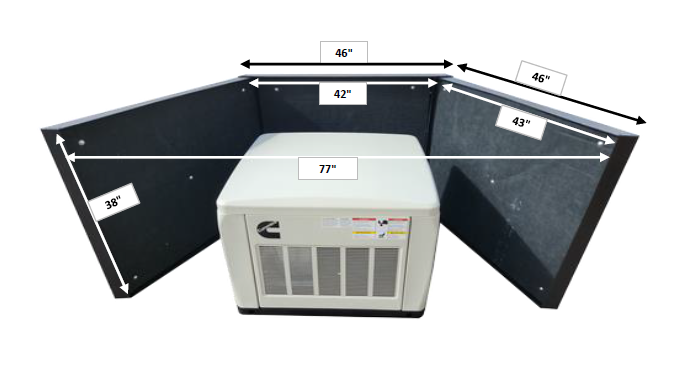
Credit: www.zombiebox.com
Frequently Asked Questions
How Can I Reduce Noise From A Standby Generator?
To reduce generator noise, use soundproof enclosures, install vibration isolators, and maintain proper exhaust mufflers. Position the generator away from living areas and use noise barriers or landscaping to absorb sound effectively.
What Materials Help Quiet A Standby Generator?
Soundproofing materials like acoustic foam, mass-loaded vinyl, and dense insulation help absorb and block generator noise. These materials reduce sound vibrations and prevent noise from traveling, making your standby generator quieter and less disruptive.
Does Regular Maintenance Affect Generator Noise Levels?
Yes, regular maintenance keeps the generator running smoothly and quietly. Clean air filters, lubricate moving parts, and check exhaust systems to prevent excessive noise caused by wear or malfunction.
Can I Use A Sound Enclosure For My Generator?
Sound enclosures are effective for reducing generator noise. They trap and absorb sound waves while allowing proper ventilation. Choose enclosures designed for your generator’s size and follow installation guidelines for best results.
Conclusion
Keeping your standby generator quiet improves your comfort and safety. Simple steps like soundproofing and proper maintenance help a lot. Choose the right location to reduce noise naturally. Use mufflers or enclosures designed for noise control. Regular checks keep the generator running smoothly and quietly.
Quiet generators let you enjoy power without the loud noise. Small changes make a big difference in noise levels. Follow these tips to keep your generator peaceful and efficient.